

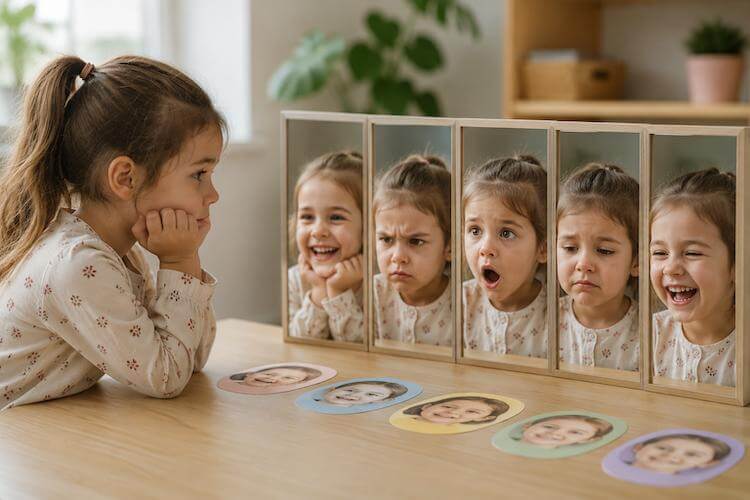
Understanding emotions is a vital skill that all children need to develop as they grow. Emotions play a significant role in how we interact with others, make decisions, and navigate the world around us. For children, learning about emotions is a key aspect of their social and emotional development.
Emotional understanding enables children to recognize and manage their own feelings, as well as understand how others may be feeling. It helps them learn how to express themselves, resolve conflicts, and build positive relationships with their peers and adults. Without a solid foundation in emotional understanding, children may struggle with communication, self-regulation, and empathy.
- Emotional awareness is essential for children to navigate the ups and downs of life. By learning to identify and label their emotions, children can develop healthy coping strategies and build resilience in the face of challenges.
- Furthermore, emotional understanding is closely linked to academic success. Children who are able to regulate their emotions and communicate effectively are better equipped to focus on their learning and achieve their full potential in school.
- Additionally, research has shown that emotional intelligence in childhood can have long-term benefits, impacting various aspects of adult life, including mental health, relationships, and overall well-being.
As parents, teachers, and caregivers, it is essential to support children in developing their emotional intelligence. By helping children understand and navigate their feelings, we can empower them to thrive emotionally, socially, and academically.
Overview of stages of emotional development in children
Understanding emotional development in children is essential for parents and caregivers to support healthy growth and well-being. Emotions are a fundamental aspect of human experience, and children go through various stages of emotional development as they grow and learn to navigate their feelings.
- Infancy: In the early stages of life, infants rely on basic emotions such as joy, sadness, anger, and fear to communicate their needs and desires. They look to caregivers for comfort and reassurance.
- Toddlerhood: Toddlers begin to develop a wider range of emotions and may struggle with managing intense feelings like frustration and disappointment. They may also start to show empathy towards others, mirroring the emotions they see in those around them.
- Early Childhood: As children enter preschool age, they become more aware of their own emotions and those of others. They may begin to understand more complex feelings like jealousy, embarrassment, and pride. This stage plays a crucial role in forming the foundations of emotional intelligence.
- Middle Childhood: During middle childhood, children continue to refine their emotional understanding and develop the ability to regulate their emotions. They may start to express more empathetic responses and show consideration for the feelings of their peers.
- Adolescence: The teenage years bring significant changes in emotional development, as adolescents grapple with identity formation and independence. They may experience intense emotional highs and lows while seeking autonomy from their families.
Each stage of emotional development presents unique challenges and opportunities for growth. Parents and caregivers play a vital role in supporting children through these stages by providing a safe and nurturing environment where emotions can be openly discussed and managed.
By understanding the various stages of emotional development, adults can better meet children where they are at and help them build the skills needed to navigate the complexities of the human experience.
Importance of teaching children about emotions from a young age
Understanding emotions is a crucial skill that children need to learn from a young age. Emotional intelligence is just as important as academic intelligence when it comes to navigating the complexities of life. By teaching children about emotions early on, we are equipping them with the tools they need to manage their feelings, communicate effectively, and build strong relationships with others.
- Building Self-Awareness: Teaching children about emotions helps them develop a deeper understanding of their own thoughts and feelings. When children can identify and express their emotions, they are better equipped to regulate them and make healthier choices.
- Promoting Social Skills: When children learn about emotions, they become more empathetic and compassionate towards others. They are better able to understand how someone else might be feeling and respond in a supportive way. This sets the foundation for strong social skills and positive relationships.
- Improving Communication: Being able to articulate their emotions enables children to communicate their needs effectively. It also helps them navigate conflicts, express themselves clearly, and seek help when needed. Good communication skills are vital for healthy relationships and overall well-being.
- Enhancing Resilience: Understanding emotions allows children to cope with stress, setbacks, and challenges in a more adaptive way. By teaching them how to recognize and manage their emotions, we are empowering them to bounce back from difficult situations and build resilience.
By starting the conversation about emotions early on, we are laying the foundation for children to develop strong emotional intelligence that will serve them well throughout their lives. Encouraging open and honest discussions about feelings, providing a safe space for children to express themselves, and modeling healthy emotional behaviors are all essential components of fostering emotional understanding in children. Together, we can help our children build emotional resilience, empathy, and effective communication skills that will benefit them in every aspect of their lives.
Tips for Parents on How to Talk to Children About Emotions
As a parent, it is crucial to have open and honest conversations with your children about their emotions. Here are some tips and strategies to help you navigate these important discussions:
- Be a role model: Children often learn by example, so be sure to express your own emotions in a healthy way. Show them how to deal with emotions like anger, sadness, and frustration constructively.
- Listen actively: Give your child your full attention when they are expressing their emotions. Listen to what they have to say without judgment or jumping to conclusions.
- Validate their feelings: Let your child know that it is okay to feel the way they do. Acknowledge their emotions and reassure them that you are there to support them.
- Use age-appropriate language: Make sure to talk to your child using simple and understandable language that is appropriate for their age. Avoid using complex terms that they may not understand.
- Teach them about different emotions: Help your child learn to identify and label different emotions. This can be done through books, games, or simple conversations about how they are feeling.
- Encourage emotional expression: Encourage your child to express their emotions in a healthy way, whether it is through talking, drawing, or engaging in physical activities.
- Empower them to problem-solve: Help your child develop the skills to manage their emotions independently. Teach them strategies such as deep breathing, taking a break, or talking to a trusted adult when they are feeling overwhelmed.
- Provide a safe and supportive environment: Create an environment where your child feels comfortable expressing their emotions without fear of judgment or criticism. Let them know that it is safe to talk about how they feel.
- Seek professional help if needed: If you notice persistent or extreme emotional issues in your child, don’t hesitate to seek help from a mental health professional. They can provide additional support and guidance.
Discussing the role of empathy in emotional understanding
Empathy plays a crucial role in helping children understand and navigate their own emotions, as well as the emotions of others. It is the ability to recognize and share the feelings of others, stepping into their shoes and seeing the world from their perspective. As parents and caregivers, it is important to nurture and develop empathy in children from a young age.
- Empathy allows children to connect with others on a deeper level, fostering positive relationships and communication skills. When children understand how others feel, they are more likely to respond compassionately and supportively.
- By teaching children empathy, we are helping them become emotionally intelligent individuals who can regulate their own feelings while showing kindness and understanding towards others.
- Encouraging empathy in children can also help prevent aggressive or antisocial behaviors, as they learn to consider the impact of their actions on others.
One way to promote empathy in children is to model empathetic behavior ourselves. Showing empathy towards our children, as well as others, teaches them by example how to express care and understanding towards those around them. Encourage children to put themselves in someone else’s shoes and think about how they would feel in a similar situation.
It is also important to validate and acknowledge children’s feelings, helping them understand that it is okay to experience a range of emotions. By listening actively and empathizing with their emotions, children feel supported and valued, leading to greater emotional understanding.
Engaging children in discussions about diverse perspectives and experiences can also enhance their empathy. Encourage them to consider different viewpoints and explore how other people may feel in various situations. Reading books or watching shows that showcase empathy and understanding can provide valuable learning opportunities for children.
Incorporating empathy into daily interactions and conversations can help children develop a deep understanding of emotions, both in themselves and in others. Empathy is a powerful tool that can benefit children’s emotional development and overall well-being, fostering positive relationships and a compassionate outlook on the world.
Exploring Common Emotions and How Children May Perceive Them
Emotions are a natural part of human experience, and children start exploring and understanding them from a very young age. It is important for parents and caregivers to help children navigate through their emotions and provide guidance on how to cope with them.
- Happiness: Children often perceive happiness as a feeling of joy and excitement. They may express happiness through laughter, smiles, and high energy levels. Teaching children to identify what makes them happy can help them cultivate a positive mindset.
- Sadness: When children experience sadness, they may feel down or may cry. It is important to show empathy and support to help them process their feelings. Talking to children about the reasons behind their sadness can aid in finding healthy ways to cope.
- Anger: Anger is a common emotion that children might struggle with. They may perceive anger as feeling frustrated or upset. Teaching children to express their anger in a constructive way and to use calming techniques can help them manage their emotions effectively.
- Fear: Children often perceive fear as feeling scared or anxious. It is essential to acknowledge their fears and provide reassurance and comfort. Encouraging children to confront their fears gradually can help them build resilience.
Discussing these common emotions with children and helping them recognize the different ways they manifest can enhance their emotional literacy. By facilitating conversations about emotions, parents can create a safe space for children to express themselves and seek support when needed.
It is also beneficial for children to learn about the range of emotions in order to develop empathy towards others. By understanding their own emotions, children can better understand and relate to the feelings of those around them.
Overall, exploring common emotions with children and discussing how they perceive them can lay a strong foundation for their emotional development. As children grow and learn more about their emotions, they can develop healthy coping mechanisms and build resilience to navigate through life’s challenges.
Addressing the Impact of Family Dynamics on Children’s Emotional Understanding
Family dynamics play a crucial role in shaping how children understand and manage their emotions. Children learn much of their emotional vocabulary and coping mechanisms from their families. From a young age, they observe and absorb how their parents or caregivers handle difficult situations, express their emotions, and communicate with others.
- Positive family environments, where emotions are openly expressed and acknowledged, can help children feel comfortable sharing their own feelings without fear of judgment. On the other hand, negative family dynamics, such as conflict or emotional neglect, may hinder a child’s ability to develop a healthy understanding of emotions.
- For example, if a child grows up in a household where anger is frequently suppressed or only expressed through explosive outbursts, they may struggle to recognize and regulate their own feelings of anger in a healthy way.
- Conversely, children who witness their parents resolving conflicts calmly and constructively are more likely to learn effective communication skills and conflict resolution strategies.
Additionally, the quality of attachment between child and caregiver can significantly impact a child’s emotional development. When children feel securely attached to their parents, they are more likely to develop a strong sense of self-worth and confidence in expressing their emotions.
It’s important for parents to be aware of the role they play in shaping their children’s emotional understanding. By fostering a supportive and nurturing environment at home, parents can help children feel safe exploring their emotions and developing healthy coping mechanisms. Creating space for open communication, actively listening, and validating children’s feelings are all effective ways to promote emotional intelligence in children.
Parents should strive to model healthy emotional behaviors, such as expressing empathy, showing vulnerability, and practicing self-regulation. By being mindful of how their own emotions and actions influence their children’s emotional development, parents can empower their children to navigate the complexities of their inner world with confidence and resilience.
Strategies for Helping Children Regulate Their Emotions
Emotions can be overwhelming for children, especially when they are still learning how to navigate their feelings. As a parent or caregiver, it is crucial to provide them with the tools and support they need to regulate their emotions effectively. Here are some strategies that can help:
- Identify Emotions: Encourage your child to recognize and name their feelings. By helping them identify their emotions, you are giving them a better understanding of what they are experiencing.
- Practice Deep Breathing: Teaching children to take deep breaths when they are upset or anxious can help calm their bodies and minds. Practice deep breathing together during quiet times so they can use this skill when needed.
- Teach Coping Skills: Help children develop healthy coping mechanisms, such as drawing, writing in a journal, or talking to a trusted adult. These skills can serve as outlets for expressing their emotions in a safe way.
- Encourage Physical Activity: Engaging in physical activities like going for a walk, dancing, or playing a sport can help release pent-up emotions and boost mood. Encourage regular physical exercise as a way to manage emotions.
- Set Clear Boundaries: Establishing consistent boundaries and routines can provide children with a sense of security and predictability, which can help reduce emotional outbursts.
- Model Healthy Emotional Regulation: Children learn by example, so demonstrate healthy ways of managing your own emotions. Show them how to communicate effectively, take breaks when needed, and seek support when necessary.
- Provide Comfort and Reassurance: Offer comfort and reassurance to your child when they are experiencing difficult emotions. Let them know that it is okay to feel upset or angry, and that you are there to support them.
- Seek Professional Help if Needed: If your child is consistently struggling to regulate their emotions or experiencing severe emotional difficulties, consider seeking help from a mental health professional. They can provide additional support and resources tailored to your child’s needs.
Discussing the Influence of Media and Technology on Children’s Emotional Development
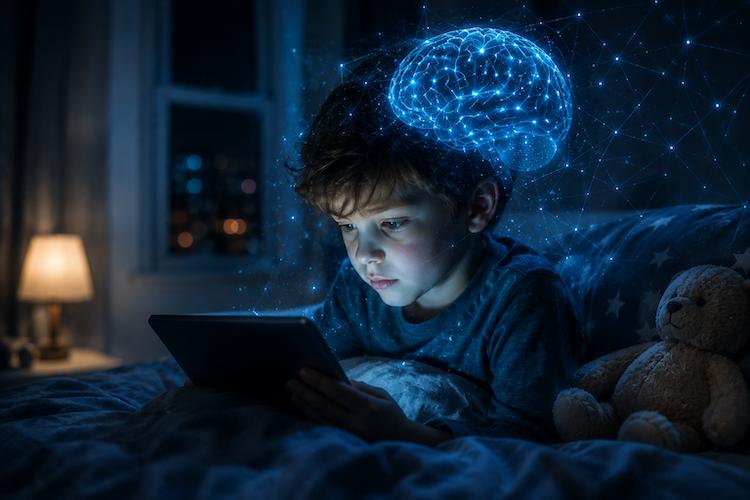
Media and technology play a significant role in the lives of children today. From television shows to social media platforms, children are constantly exposed to a wide range of emotions through these mediums. These influences can have both positive and negative effects on their emotional development.
- Positive Influences: Some television shows and movies have characters who express and deal with emotions in a healthy way. This can help children learn how to identify and manage their own feelings. Additionally, educational apps and games can teach children about emotions and empathy in a fun and interactive way.
- Negative Influences: On the other hand, exposure to violent or overly dramatic content can desensitize children to real emotions or lead them to believe that aggressive behavior is a normal way to express themselves. Social media can also contribute to feelings of inadequacy or low self-esteem as children compare themselves to others online.
It is important for parents to monitor and limit their children’s screen time, as well as have open discussions about the content they are consuming. Encouraging children to critically think about how media and technology influence their emotions can help them develop a healthier relationship with these mediums.
Parents can also use media and technology as tools to facilitate discussions about emotions. Watching a movie together and talking about the characters’ feelings, or playing an emotion-themed game can be a great way to engage with children about their emotions in a fun and engaging way.
By being aware of the influence that media and technology have on children’s emotional development, parents can better guide their children to navigate these mediums in a way that fosters emotional intelligence and well-being.
Exploring the Link Between Emotional Intelligence and Academic Success in Children
Have you ever heard the saying, «It’s not just about what you know, but also how you feel?» Well, when it comes to children and their academic success, this statement holds true. Emotional intelligence, or the ability to understand and manage emotions, plays a crucial role in how well children perform in school.
Research has shown that children who possess high emotional intelligence tend to have better academic outcomes. But why is this the case? It all comes down to how emotions impact learning and cognitive abilities.
- Focus and Attention: Children with strong emotional intelligence are better able to regulate their emotions, allowing them to focus and concentrate on their schoolwork without being distracted by negative feelings.
- Problem-Solving Skills: Emotionally intelligent children are more adept at understanding different perspectives and managing conflicts, which can help them navigate challenging academic tasks and relationships with teachers and peers.
- Motivation and Resilience: When children are able to recognize and cope with their emotions, they are more likely to persevere through difficulties and setbacks, maintaining a positive attitude towards learning and achieving their goals.
Furthermore, strong emotional intelligence can also lead to better social skills, allowing children to build positive relationships with others and develop a support network that can enhance their academic success.
So, as parents and caregivers, it is important to not only focus on your child’s academic achievements but also nurture their emotional intelligence. Encouraging open communication about emotions, providing opportunities for children to practice empathy and understanding, and teaching strategies for regulating emotions can all help support their overall development and academic success.
Research on the long-term benefits of emotional understanding in childhood
Studies have shown that developing emotional understanding in childhood can have long-lasting benefits for children as they grow into adulthood. Research has found that children who are able to identify and manage their emotions effectively are more likely to have higher self-esteem and be better equipped to handle stressful situations. They are also more likely to form healthy relationships with others and have improved social skills.
One study followed a group of children from preschool all the way into adulthood and found that those who had a strong foundation in emotional intelligence as children were more likely to succeed in various aspects of their lives, including academic achievement, career success, and personal relationships. These findings highlight the importance of teaching children about emotions from an early age and providing them with the tools they need to navigate their feelings throughout their lives.
- Emotional awareness is linked to academic success: Children who are able to understand and regulate their emotions tend to perform better in school. This is because they are better able to focus on their studies, manage stress during exams, and communicate effectively with teachers and peers.
- Emotional intelligence leads to healthier relationships: Children who are emotionally intelligent are better at resolving conflicts, expressing empathy, and building positive relationships with others. These skills are essential for forming bonds with family members, friends, and romantic partners later in life.
- Emotional well-being is linked to mental health: Research has shown that children who have a strong foundation in emotional understanding are less likely to experience anxiety, depression, and other mental health issues in adolescence and adulthood. This is because they have the skills to cope with challenging emotions and seek support when needed.
Overall, the research emphasizes the importance of nurturing emotional intelligence in children as it provides them with a solid foundation for future success and well-being. By teaching children about emotions and providing them with the tools to navigate their feelings, parents and educators can help set them up for a fulfilling and thriving life.
Practical activities and resources for teaching children about emotions
Teaching children about emotions can be done through a variety of fun and engaging activities that help them understand and express their feelings. Here are some simple yet effective ways to promote emotional understanding in children:
- Emotion charades: This game involves acting out different emotions and having the child guess what emotion is being portrayed. It helps children recognize facial expressions and body language associated with different feelings.
- Feelings journal: Encourage children to keep a journal where they can write or draw about their emotions and experiences. This helps them reflect on their feelings and develop emotional awareness.
- Empathy cards: Create empathy cards with different scenarios and ask children how they would feel in each situation. This fosters empathy and helps them understand emotions from another person’s perspective.
- Emotion flashcards: Use visual aids like flashcards with pictures of different emotions to help children learn how to identify and label their own feelings as well as those of others.
- Relaxation techniques: Teach children calming strategies such as deep breathing exercises or progressive muscle relaxation to help them manage stress and regulate their emotions.
- Storybooks about emotions: Reading books that explore feelings and emotions can be a great way to start conversations with children about how characters are feeling and why.
- Role-playing: Encourage children to role-play different scenarios where they experience various emotions. This helps them practice expressing their feelings in a safe and supportive environment.
- Emotion wheels: Use colorful emotion wheels that children can spin to identify how they are feeling at any given moment. This promotes self-awareness and emotional expression.
These practical activities and resources not only teach children about emotions but also help them develop important social and emotional skills that will benefit them throughout their lives.

 Subscribe to the newsletter


Сообщить об опечатке
Текст, который будет отправлен нашим редакторам: