


Not everyone needs 8 hours of sleep
Theoretically, sleep takes up about 8 hours a day, which is one-third of our lives. But many of us are chronically sleep-deprived, leaving us feeling tired every day. According to research from the National Sleep Foundation, more than a third of respondents admit that the quality of their sleep is «not so good» or «could be better.» But how much sleep do we really need?
First, let’s get one thing straight: there’s no one-size-fits-all answer—everyone’s sleep needs are different.
You could be one of those incredibly rare people who only need a couple of hours of sleep (of course, the odds are very slim), or you could be on the opposite end of the spectrum (what doctors call «long sleep»)—and need 11 hours a day.
There are certain things that scientists know that can help you figure out how much sleep you need and when to go to bed.
Here are five facts to help you understand your personal norms.
1. The reason doctors typically recommend 7 to 9 hours of sleep
The amount of sleep people need falls within a bell-shaped distribution, with the vast majority of the population actually needing 7 to 9 hours of rest to fully restore their mental and physical strength.
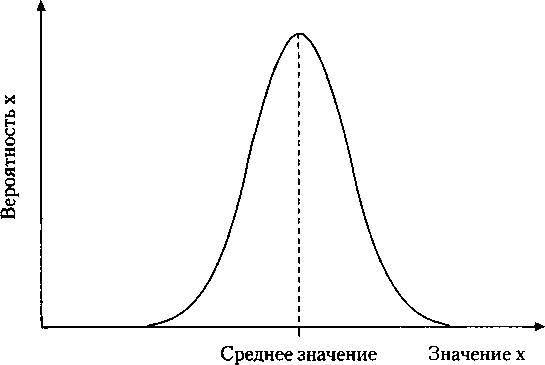 The average sleep time is 7-9 hours, typical for the vast majority of the world’s population / e-Reading
2. You have your own unique chronotype and biological clock that determines when you’re most comfortable sleeping and awake.
Most of us think of ourselves as morning people (larks) or night owls (owls), but these distinctions aren’t actually scientific—they’re simply a way to compare ourselves to one another. Most people have «average» chronotypes; some prefer to rise a little earlier or later, and a very small group of people rise very early or very late.
There’s no clear line dividing these chronotypes.
We all have an internal schedule that makes us feel alert or sleepy at different times of the day. Due to factors such as hormone levels, genetics, and light exposure, some of us are more comfortable waking up in the morning, while others prefer a later time.
If your schedule doesn’t align with your chronotype, you’ll feel tired and out of sync with the world around you.

3. The amount of sleep needed changes throughout life
The recommendation of seven to nine hours of sleep is standard for adults, but children need much more, while some older adults need less.
This chart shows how standard sleep requirements change as people age.
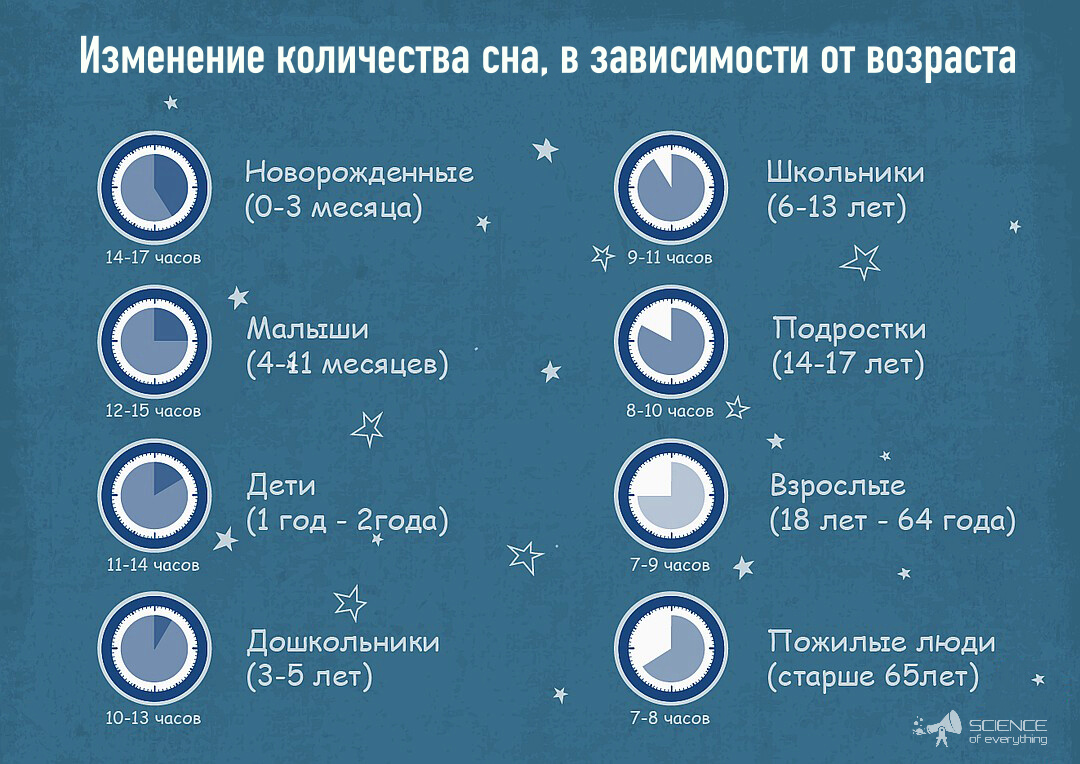
In addition to changes in sleep duration, chronotypes also change. According to Renneberg’s book, young children are more morning-oriented. During puberty, they are more likely to transition to a «night owl» chronotype, which typically reverts to an earlier chronotype after age 20.
4. There are several things you can do to adjust your natural chronotype.
While your sleep needs are largely genetic, there are certain things you can do to adjust your schedule and at least make waking up in the morning less painful.
Our bodies react to light, especially strong sunlight. In the morning, sensing this light, the brain tells our body it’s time to wake up and move.
Darkness, or nighttime, stimulates the production of the hormone melatonin, which helps the body relax and fall asleep. But bright light from smartphones, televisions, and laptops in the dark interferes with this process, which can lead to difficulty falling asleep and even insomnia.
 Bright light in bed before sleep negatively affects the production of the hormone melatonin / Harvard Business Review
An excellent way to positively influence your body is to control the amount of light. Try to leave the curtains open at night to allow as much light into your room as possible in the morning, and avoid bright lights at least half an hour before bed.
Of course, these tips won’t turn you into a morning person, but they will help your body get a full night’s rest and wake up more easily in the morning.
5. Your sleep needs are highly individual; try to figure out how many hours you need to be completely happy.
Sometimes new studies appear, like this one: «Scientists have found that seven hours, not eight, is the optimal amount of sleep.» But remember that everyone is different and has different physiological sleep needs.
The results of one study cannot and should not be translated into recommendations for everyone. When it comes to sleep, experts recommend finding out what works best for you.
If you can afford to sleep naturally (without early alarms and long nights) for a few days a week, then go to bed when you’re tired and wake up when it’s most convenient for you. It’s advisable to limit alcohol and caffeine so you can better understand your individual needs.
Also, don’t forget to exercise every day and get enough vitamins to prevent sluggishness, which will undermine the results of your experiment.
It’s worth taking a little time to figure out what you can do to improve your sleep quality, as not getting the amount your body requires can cause serious health problems.

 Subscribe to the newsletter







Сообщить об опечатке
Текст, который будет отправлен нашим редакторам: