
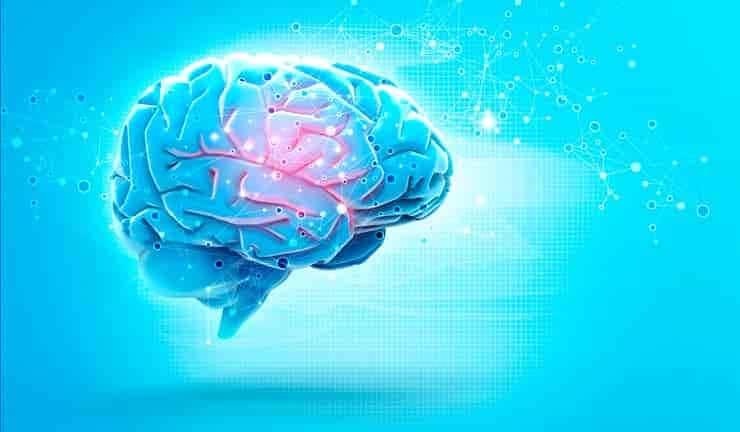
If you’ve ever felt a rush of excitement or motivation after accomplishing a task or receiving a compliment, you can thank dopamine for that uplifting feeling. Dopamine is a neurotransmitter, also known as the «feel-good» chemical in the brain, that plays a key role in our motivation, reward-seeking behavior, and pleasure.
When dopamine is released in the brain, it signals to our body that something pleasurable is happening. This can happen when we eat something delicious, exercise, or engage in social interactions. Essentially, dopamine acts as a messenger that helps to reinforce certain behaviors by providing a sense of satisfaction or pleasure when we do something beneficial for our well-being.
- Dopamine influences motivation and drive to accomplish tasks.
- It can boost our mood and provide a feeling of contentment.
- It is involved in addictive behaviors and reward-seeking actions.
Think of dopamine as the little spark that lights up our brain when we experience something enjoyable or exciting. It’s like a pat on the back that pushes us to keep going and seek out similar experiences that make us feel good.
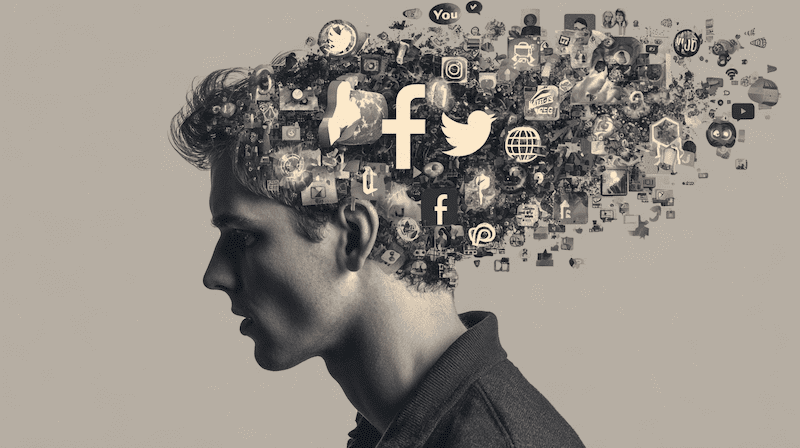
However, when dopamine levels are imbalanced, it can lead to addiction and dependency on activities that artificially stimulate its release, such as drug use, gambling, or in this case, social media engagement.
As we delve deeper into understanding how dopamine works in relation to social media addiction, it’s important to recognize its significant role in shaping our behaviors and influencing our digital habits. By gaining insight into the impact of dopamine on our brains, we can start to take control of our reliance on social media and make more mindful choices about our online activities.
Explanation of how dopamine influences motivation and reward-seeking behavior
Have you ever felt that rush of excitement when you receive a like or a notification on your social media? That feeling is due to the release of a neurotransmitter called dopamine in your brain. Dopamine plays a crucial role in our motivation and reward-seeking behavior, driving us to repeat actions that bring pleasure and satisfaction.
- Dopamine is often referred to as the «feel good» neurotransmitter. It is released in response to pleasurable activities such as eating, exercising, or socializing.
- When dopamine is released, it creates a sense of anticipation and drives us to seek out more of that pleasurable experience.
- This can lead to behaviors that are rewarded by a spike in dopamine levels, reinforcing the connection between the action and the feel-good response.
For example, when you check your social media and see likes and comments on your posts, your brain releases dopamine as a reward for engaging in that behavior. This reinforcement loop makes you want to check your social media more frequently in search of that rewarding feeling.
- This link between dopamine release and reward-seeking behavior is what keeps us coming back for more, leading to addictive patterns of behavior.
- Over time, our brains can become desensitized to normal levels of dopamine, requiring more frequent and intense stimuli to produce the same pleasurable response.
- This can lead to the development of addictive behaviors, where we constantly seek out activities that trigger dopamine release, such as excessive social media use.
Understanding how dopamine influences our motivation and reward-seeking behavior can help us recognize the role it plays in addictive habits, such as spending hours scrolling through our social media feeds. By becoming aware of these mechanisms, we can take steps to regain control over our digital habits and make healthier choices for our mental well-being.
Discussion on the connection between dopamine and addiction
Let’s talk about how dopamine plays a role in addiction, including why social media can be so addictive. Dopamine is a type of neurotransmitter that is responsible for sending messages between nerve cells in the brain. When you do something that your brain perceives as valuable, such as eating tasty food or receiving a compliment, dopamine is released.
- When it comes to addiction, dopamine plays a key role in reinforcing certain behaviors. When you engage in a pleasurable activity, like using drugs or checking social media, dopamine is released in large amounts, creating a sense of reward and pleasure.
- Over time, your brain starts to associate these activities with the release of dopamine, leading to a cycle of dependence and addiction. This is why you may find yourself compulsively checking your phone for notifications or continuously scrolling through social media feeds.
- Social media platforms are designed to exploit this connection by using algorithms that trigger dopamine release. Features like likes, comments, and notifications all provide instant gratification and keep users coming back for more, similar to how a drug addict seeks out their next fix.
- This constant seeking of validation and reward on social media can contribute to addictive behavior and a sense of FOMO (fear of missing out).
It’s essential to be aware of how dopamine influences addictive behaviors and take steps to break free from the cycle of social media addiction. By understanding the role of dopamine in addiction, you can make more informed choices about your digital habits and prioritize your mental well-being.
Overview of how social media platforms utilize dopamine to increase user engagement
Social media platforms have become experts at leveraging the power of dopamine to keep users coming back for more. Dopamine is a neurotransmitter in the brain that plays a key role in regulating emotions, motivation, and reward-seeking behavior.
When we engage with social media, activities such as receiving likes, comments, and shares trigger the release of dopamine in our brains. This creates a pleasurable sensation, which encourages us to continue using the platform in search of more rewards.
- Notifications: One way social media platforms enhance dopamine release is through notifications. Each time you receive a notification indicating that someone has interacted with your content, dopamine levels spike, motivating you to check the app and see what the activity is.
- Rewards: Social media platforms use likes, comments, and shares as rewards that stimulate dopamine release. The anticipation of receiving these rewards keeps users engaged and coming back for more.
- Variable reinforcement: Social media platforms employ a technique known as variable reinforcement, where rewards are delivered intermittently and unpredictably. This is particularly addictive because the unpredictability keeps users hooked, constantly seeking that next hit of dopamine.
By understanding how social media platforms manipulate dopamine release, users can make more informed choices about their digital habits. It’s important to be mindful of the addictive nature of these platforms and take steps to regain control over our usage.
Setting boundaries, limiting screen time, and engaging in alternative activities can help reduce dependence on social media and restore dopamine balance in the brain. Being aware of how dopamine influences our behavior can empower us to make healthier choices and prioritize our mental well-being.
Explanation of the concept of variable reinforcement and its impact on addictive behavior
Variable reinforcement is a psychological concept that plays a major role in addictive behavior, including addiction to social media. This concept involves the idea that rewards are not consistently given after a certain action is performed, but rather are given unpredictably. This unpredictable nature of rewards can make an activity or behavior more addictive because our brains become wired to constantly seek out that next reward, not knowing when it will come.
In the context of social media, variable reinforcement is a key factor in our addictive tendencies. Every time you check your notifications or refresh your feed, you don’t know what you might find – a new like, a comment, a message from a friend. This uncertainty keeps us coming back for more, as we hope to experience that positive reinforcement once again.
- This concept is similar to what happens when you play a slot machine. You pull the lever not knowing if you will win this time, but hoping for that exciting pay-off. The same dopamine rush you get from winning at a slot machine can be triggered by a like on a social media post.
Variable reinforcement works hand in hand with dopamine, reinforcing the addictive loop. The intermittent nature of reward releases bursts of pleasure-inducing dopamine in our brains, making us crave that feeling more and more. This can lead to compulsive behavior, as we constantly seek out that next hit of dopamine by scrolling through our feeds, looking for the next feel-good moment.
Understanding how variable reinforcement operates in the context of social media can empower us to take control of our behaviors and set boundaries to ensure we are not falling prey to addictive patterns. By recognizing the power of unpredictable rewards on our brain’s reward system, we can strive for more mindful and balanced social media usage.
Analysis of How Social Media Algorithms Trigger Dopamine Release
Social media platforms understand the power of dopamine and design their algorithms to keep us hooked. Every like, comment, or share on our posts serves as a little reward that triggers a rush of dopamine in our brains. This makes us crave more interactions and engagement, reinforcing our behavior and keeping us glued to our screens.
- Social Validation:
One way social media algorithms exploit our dopamine response is through social validation. When we receive likes and positive feedback on our posts, our brains interpret it as a form of acceptance and validation. This can create a sense of fulfillment and happiness, encouraging us to seek more of the same rewards by posting more content.
- Continuous Reinforcement:
Another key factor is the concept of variable reinforcement. Social media platforms strategically mix up the timing and frequency of notifications and rewards to keep us engaged. This unpredictability creates a sense of anticipation and excitement, mimicking the thrill of seeking a reward in a game of chance.
- Predictive Technology:
Moreover, social media algorithms employ predictive technology to customize our feeds based on our past behavior and preferences. By showing us content that is likely to evoke a positive reaction, such as cute animal videos or inspirational quotes, these platforms increase the chances of triggering dopamine release and keeping us coming back for more.
Overall, social media algorithms are finely tuned to foster a cycle of dopamine-driven behavior, making it easy for us to get caught up in the addictive cycle of scrolling, liking, and sharing. Understanding how these algorithms work can help us regain control over our digital habits and make more mindful choices about our social media usage.
Exploration of the role of social validation and peer influence in social media addiction
Social validation and peer influence play a significant role in the addictive nature of social media. When we receive likes, comments, or shares on our posts, our brain releases dopamine, creating a sense of validation and acceptance. This validation can lead to a cycle of seeking more likes and comments to continue getting that dopamine hit. The fear of missing out (FOMO) also comes into play, as we constantly compare ourselves to others based on their social media posts.
Peer influence further fuels social media addiction by creating a pressure to conform to certain trends or behaviors. Seeing our friends or influencers engaging in certain activities or posting certain content can make us feel compelled to do the same in order to fit in or gain approval. This can amplify the addictive cycle as we seek validation and approval from our social circles.
- Seeing our friends or influencers engaging in certain activities can make us feel compelled to do the same to fit in.
- If we constantly compare ourselves to others based on their social media posts, we may experience insecurities that drive us to seek validation and approval.
It’s important to be aware of how social validation and peer influence can impact our behavior on social media and contribute to addiction. By understanding these dynamics, we can take steps to protect our mental health and well-being. Building a positive self-image based on personal values rather than external validation is key to reducing the influence of social media on our self-esteem and overall happiness.
Discussion on the negative effects of excessive social media use on mental health
Social media can have a powerful impact on our mental well-being. While it may seem like scrolling through feeds and posting updates is harmless, spending too much time on these platforms can lead to negative consequences for our mental health.
- Increased feelings of anxiety and depression: Constantly comparing ourselves to others’ highlight reels on social media can leave us feeling inadequate and insecure. This can contribute to feelings of anxiety and depression.
- Decreased self-esteem: Seeking validation through likes and comments can create an unhealthy cycle of seeking external approval for our worth. When that validation isn’t met, it can negatively impact our self-esteem.
- Sleep disturbances: The blue light emitted from screens can disrupt our sleep patterns, making it difficult to fall asleep and stay asleep. This can lead to fatigue and irritability during the day.
- Isolation and loneliness: While social media connects us online, it can also cause us to withdraw from real-life interactions. Spending too much time online can lead to feelings of isolation and loneliness.
- Comparison trap: Constantly seeing curated versions of people’s lives can create a distorted perception of reality. This can lead to increased feelings of inadequacy and dissatisfaction with our own lives.
It’s important to be mindful of how much time we spend on social media and how it affects our mental health. If you notice any negative effects, it may be time to reassess your digital habits and make changes to protect your well-being.
Remember, it’s okay to take breaks from social media and prioritize activities that bring you joy and fulfillment in the real world. Your mental health is precious, so don’t be afraid to set boundaries and prioritize self-care.
Tips for reducing social media addiction and restoring dopamine balance
Social media addiction can have negative effects on mental health and overall well-being. Here are some practical tips to help you reduce your dependence on social media and restore the balance of dopamine in your brain:
- Limit screen time: Set specific time limits for how long you allow yourself to use social media each day. Use phone settings or apps to track your usage and provide you with reminders when you reach your limit.
- Establish a digital detox routine: Dedicate certain periods throughout the day or week as «screen-free» time to give your brain a break from constant stimulation and prevent overexposure to dopamine triggers.
- Engage in offline activities: Find hobbies and activities that you enjoy and that do not involve screens. Physical exercise, art, reading, or spending time with loved ones are all great ways to occupy your time without relying on social media for entertainment.
- Practice mindfulness: Be mindful of your social media usage and pay attention to how it affects your mood and behavior. Pause and reflect before mindlessly scrolling through feeds, and consider whether using social media is truly enhancing your life in a positive way.
- Seek professional help if necessary: If you find it difficult to curb your social media usage on your own, consider reaching out to a therapist or counselor for support. They can help you develop healthy coping strategies and address any underlying issues contributing to your addiction.
- Reset your dopamine system: Engage in activities that naturally boost dopamine levels in a healthy way, such as exercising, meditating, or spending time in nature. By diversifying your sources of pleasure and reward, you can gradually retrain your brain to seek fulfillment outside of social media.
- Connect with others in person: Foster real-life connections with friends, family, and communities by engaging in face-to-face conversations and shared experiences. Social interaction releases its own dose of dopamine and can provide a more meaningful and fulfilling form of validation than virtual likes and comments.
Strategies for mindful social media usage and setting boundaries
Social media can easily become a black hole that sucks up all of your time and attention, but it doesn’t have to be that way. By implementing some simple strategies, you can use social media in a more mindful and balanced way.
- Set realistic time limits: One of the biggest challenges with social media addiction is the endless scrolling that can consume hours of your day. Set specific time limits for yourself each day and stick to them. This will help you be more mindful of how you are spending your time on social media.
- Turn off notifications: Notifications can be a major source of distraction and can trigger a dopamine rush that keeps you coming back for more. Turn off notifications for social media apps to reduce the temptation to constantly check your phone.
- Create tech-free zones: Designate certain areas of your home, like the bedroom or dining table, as tech-free zones. This will help you disconnect from social media and focus on being present in the moment.
- Practice digital detoxes: Take regular breaks from social media to reset your brain and cultivate a healthier relationship with technology. Use these breaks to engage in activities that bring you joy and fulfillment.
- Engage in offline activities: Find activities outside of social media that bring you happiness and fulfillment. Whether it’s spending time with loved ones, exploring nature, or pursuing a hobby, prioritize activities that nourish your soul and help you disconnect from the digital world.
By implementing these strategies, you can regain control over your social media usage and create a more balanced relationship with technology. Remember, it’s important to be kind to yourself and give yourself grace as you navigate this journey towards mindful social media usage and setting boundaries.
Overview of alternative activities to replace excessive social media consumption
Instead of constantly scrolling through timelines and refreshing feeds, there are many other fulfilling activities you can engage in to replace excessive social media consumption. Here are some ideas to help you break free from the cycle of online dependency:
- Get outside and connect with nature: Taking a walk in a park, going for a hike, or simply sitting outside can do wonders for your mental and physical health. Nature offers a peaceful escape from the digital world and allows you to recharge.
- Pick up a hobby or learn a new skill: Unleash your creativity by painting, cooking, knitting, playing an instrument, or trying out a new craft. Engaging in hands-on activities can be both rewarding and therapeutic.
- Exercise regularly: Physical activity is a great way to boost your mood, reduce stress, and improve your overall well-being. Whether it’s yoga, running, dancing, or weightlifting, find a form of exercise that you enjoy and make it a regular part of your routine.
- Read a book or listen to podcasts: Immerse yourself in a good book or discover interesting topics through podcasts. Reading and listening to informative content can expand your knowledge, stimulate your mind, and offer a welcome break from screen time.
- Cultivate meaningful relationships: Instead of relying on digital interactions, prioritize face-to-face connections with friends and family members. Sharing conversations, laughter, and experiences in real life can strengthen your relationships and provide genuine social support.
- Engage in mindfulness practices: Take time to meditate, practice deep breathing exercises, or participate in a mindfulness session. These calming activities can help you stay present, reduce anxiety, and cultivate a sense of inner peace.
By incorporating these alternative activities into your daily routine, you can gradually reduce your dependence on social media and rediscover the joy of living in the moment. Remember that the goal is not to eliminate social media entirely but to strike a healthy balance that prioritizes your well-being and overall happiness.
Conclusion: Understanding the Influence of Dopamine on Social Media Addiction
As we have explored in this guide, dopamine plays a significant role in our brain’s reward system and significantly influences our motivation and behavior. Social media platforms have capitalized on this biological mechanism to create addictive experiences that keep us coming back for more.
It is important to recognize the impact of dopamine on social media addiction and take steps to regain control over our digital habits. By understanding how variable reinforcement, social validation, and peer influence contribute to addictive behavior, we can make more mindful choices about our online activities.
- 1. Awareness is Key: Simply being aware of the way our brains respond to social media can go a long way in helping us resist its addictive pull.
- 2. Set Boundaries: Establishing limits on your time spent on social media can help prevent excessive use and maintain a healthy balance.
- 3. Engage in Alternative Activities: Finding other hobbies or interests to occupy your time can reduce your reliance on social media for entertainment and validation.
By taking proactive steps to reduce social media addiction and restore dopamine balance, you can improve your mental health and overall well-being. Remember, it’s okay to take breaks, set boundaries, and prioritize real-life connections over digital ones.
Ultimately, understanding the powerful influence of dopamine on our online behavior is the first step toward regaining control and using social media in a mindful and healthy way. Let’s strive to be more conscious consumers of digital content and prioritize our well-being above fleeting moments of virtual gratification.

 Subscribe to the newsletter







Сообщить об опечатке
Текст, который будет отправлен нашим редакторам: