
Have you ever found yourself comparing your life, achievements, or appearance to those of others? This phenomenon is known as social comparison, and it plays a significant role in our mental health and well-being. Social comparison is a natural aspect of human behavior, as we are wired to evaluate ourselves in relation to others.
When we engage in social comparison, we can make judgments about our own abilities, successes, and shortcomings based on how we stack up against others. This can lead to feelings of inadequacy, jealousy, and low self-esteem if we perceive ourselves as inferior to those we compare ourselves to.
There are different types of social comparison that we may encounter: upward, downward, and lateral comparisons. Upward comparisons involve comparing ourselves to those we perceive as superior in some way, which can result in feelings of discouragement and unworthiness. Conversely, downward comparisons involve comparing ourselves to those we see as less fortunate or successful, which may lead to feelings of gratitude or superiority.
Despite the potential negative impact of social comparison on mental health, there are also benefits to be gained. Social comparison can serve as a valuable tool for motivation and inspiration, as seeing others achieve their goals can drive us towards our own aspirations.
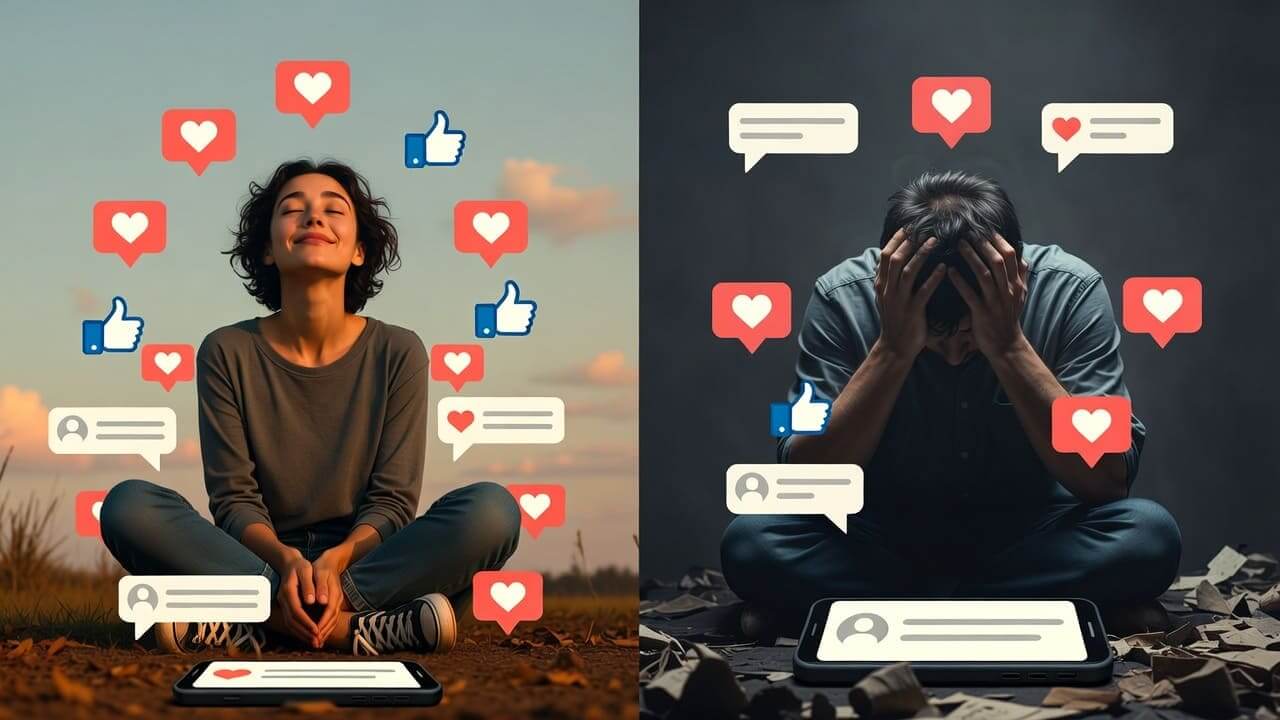
However, it is essential to be mindful of the pitfalls of engaging in excessive upward comparisons, particularly in the age of social media. Platforms like Instagram and Facebook can exacerbate social comparison tendencies, as we are constantly bombarded with carefully curated highlight reels of others’ lives.
Through this guide, we will explore the various facets of social comparison and its effects on mental health. We will discuss strategies for minimizing the negative impacts of comparison, cultivating a healthy relationship with it, and embracing self-compassion and self-awareness. By understanding the dynamics of social comparison and its intersection with societal norms, we can navigate this common aspect of human behavior with greater awareness and compassion.
Define Social Comparison and Explore the Different Types
Social comparison is something we all do, often without even realizing it. It involves evaluating ourselves by comparing our attributes, abilities, beliefs, and accomplishments to those of others. This comparison can have a significant impact on our mental health and overall well-being.
- Upward Comparison: This type of comparison occurs when we compare ourselves to individuals who we perceive as being better off or more successful than us. While this can sometimes motivate us to strive for improvement, it can also lead to feelings of inadequacy, jealousy, and lowered self-esteem.
- Downward Comparison: On the other hand, downward comparison involves comparing ourselves to those who are less fortunate or successful than us. This can boost our self-esteem in the short term, but it can also lead to feelings of guilt, complacency, or a false sense of superiority.
- Lateral Comparison: Lateral comparison occurs when we compare ourselves to individuals who are similar to us in terms of attributes or life circumstances. This type of comparison can provide a sense of validation and belonging, but it can also lead to competition, jealousy, and self-doubt.
Each type of social comparison can have different effects on our mental health, influencing our thoughts, emotions, and behaviors in various ways. Being aware of the types of comparisons we make can help us better understand how they impact our well-being and make more conscious choices about how we engage with them.
Potential Benefits of Social Comparison on Mental Health
Social comparison is a natural part of human behavior, and while it can sometimes have negative consequences, there are also potential benefits when approached mindfully. When we engage in social comparisons, we often gain insights into ourselves, our values, and our goals. By observing where we stand in relation to others, we can use this information as motivation for self-improvement and personal growth.
- Enhanced motivation: When we compare ourselves to others who we admire or look up to, it can serve as a source of inspiration. Seeing someone achieve a goal we aspire to can motivate us to work harder and strive for success in our own pursuits.
- Increased self-awareness: Social comparison can also help us gain a clearer understanding of our own strengths and weaknesses. By reflecting on how we measure up to others, we can identify areas for improvement and set realistic goals for personal development.
- Sense of community: Comparing ourselves to others can foster feelings of connection and belonging. When we realize that others share similar struggles and insecurities, it can alleviate feelings of isolation and promote a sense of shared humanity.
Overall, social comparison can play a positive role in mental health when practiced with intention and mindfulness. By recognizing the potential benefits of comparison, we can leverage this natural human tendency as a tool for self-reflection, growth, and relationship-building.
Examine the negative consequences of engaging in upward social comparisons and its effects on self-esteem and happiness
When we engage in upward social comparisons, it means that we are comparing ourselves to those who we perceive as better off or more successful than us. This type of comparison can have detrimental effects on our mental health, particularly in terms of self-esteem and happiness.
- Self-esteem: Constantly comparing ourselves to others who we believe are more successful or attractive can lead to feelings of inadequacy and low self-worth. This constant focus on what we lack can erode our self-esteem and make us feel like we are never good enough.
- Happiness: Upward social comparisons can also diminish our sense of happiness and contentment. When we are constantly measuring ourselves against unrealistic standards set by others, it can lead to feelings of dissatisfaction and unhappiness with our own lives.
- Mental Well-being: These negative consequences of upward social comparisons can take a toll on our overall mental well-being. It can increase feelings of anxiety, depression, and stress, as we strive to meet unattainable standards that we see in others.
It is important to recognize the harmful impact that engaging in upward social comparisons can have on our mental health. By shifting our focus away from comparing ourselves to others and instead learning to appreciate ourselves for who we are, we can begin to cultivate a healthier relationship with social comparison and boost our self-esteem and happiness.
Explore the Link Between Social Media Use and Mental Health
Social media has become an integral part of our daily lives, allowing us to connect with others, share our experiences, and keep up with the latest trends. However, it also plays a significant role in shaping how we perceive ourselves and others, leading to social comparison and potentially impacting our mental health.
When we scroll through our social media feeds, we are exposed to carefully curated highlight reels of other people’s lives. This can create a distorted view of reality, as we compare our behind-the-scenes footage to someone else’s highlight reel. As a result, we may feel inadequate, envious, or insecure, leading to feelings of depression and anxiety.
- Upward Social Comparison: Constantly comparing ourselves to those who appear more successful, attractive, or happy on social media can leave us feeling discontent with our own lives and accomplishments.
- Downward Social Comparison: On the flip side, comparing ourselves to those whom we perceive as less fortunate or less successful can lead to feelings of guilt or arrogance, further impacting our mental well-being.
Moreover, the addictive nature of social media can lead to constantly seeking validation through likes, comments, and followers, further exacerbating the cycle of comparison and self-doubt.
It is essential to be mindful of our social media usage and its impact on our mental health. When using social media, consider following accounts that promote positivity and authenticity rather than perfection. Limit your time spent on social media and take breaks when you find yourself caught up in comparisons. Remember, what you see on social media is often just a glimpse into someone’s life, not the whole picture.
By being aware of how social media can influence our thoughts and behaviors, we can take steps to protect our mental well-being and cultivate a healthier relationship with social comparison.
Tips for Minimizing the Negative Impacts of Social Comparison on Mental Health
Social comparison can often lead to feelings of inadequacy, low self-esteem, and increased stress. Here are some tips and strategies to help you minimize the negative effects on your mental health:
- Limit Your Social Media Use: Consider reducing the time you spend scrolling through social media platforms where comparisons are common. Try to limit your exposure to content that makes you feel inferior or insecure.
- Practice Gratitude: Focus on what you have and what you are grateful for in your life. Remind yourself of your strengths and accomplishments to boost your self-esteem.
- Set Realistic Goals: Instead of comparing yourself to others, set realistic and achievable goals based on your own values and aspirations. Celebrate your progress and achievements, no matter how small they may seem.
- Cultivate Self-Compassion: Be kind to yourself and treat yourself with the same care and understanding that you would offer a friend. Practice self-compassion by being gentle and forgiving towards your own shortcomings.
- Seek Support: Talk to a trusted friend, family member, or mental health professional about your feelings of comparison and insecurity. Sharing your struggles with someone who understands can help alleviate the burden.
- Foster Positive Relationships: Surround yourself with supportive and uplifting individuals who encourage you to be your authentic self. Build a social circle that values you for who you are, not for how you measure up to others.
- Focus on Personal Growth: Shift your perspective from comparing yourself to others to focusing on personal growth and self-improvement. Invest time and energy in activities that bring you joy and fulfillment, regardless of how they compare to others’ achievements.
By implementing these strategies and incorporating them into your daily routine, you can proactively cope with the detrimental effects of social comparison on your mental health. Remember, it’s essential to prioritize your well-being and cultivate a mindset of acceptance and self-love.
How to Cultivate a Healthier Relationship with Social Comparison
Social comparison is a natural human behavior that can have both positive and negative impacts on our mental health. By learning how to cultivate a healthier relationship with social comparison, we can use it as a tool for self-improvement rather than a source of stress and anxiety.
- Practice Self-Reflection: Take the time to reflect on your values, goals, and strengths. This can help you feel more secure in yourself and less affected by comparing yourself to others.
- Avoid Constant Comparison: Limit your exposure to social media or other platforms that promote comparison. Instead, focus on setting personal goals and measuring your progress against yourself.
- Find Inspiration, Not Envy: When you feel the urge to compare yourself to others, try to shift your mindset to one of inspiration. Use others’ successes as motivation to work towards your own goals.
- Focus on Gratitude: Remember to appreciate what you have achieved and the unique qualities that make you who you are. Practicing gratitude can help reduce feelings of inadequacy triggered by comparison.
- Build a Support Network: Surround yourself with positive influences and supportive friends who encourage you to be the best version of yourself. Having a strong support system can help boost your self-esteem and resilience against comparison.
- Practice Self-Compassion: Be kind to yourself and acknowledge that everyone has their own journey and struggles. Treat yourself with the same compassion you would show a friend facing similar challenges.
By implementing these strategies, you can start to shift your mindset towards using social comparison as a tool for growth and self-awareness. Remember that everyone is on their own unique path, and comparing yourself to others only distracts you from your own accomplishments and progress. Cultivating a healthier relationship with social comparison is essential for maintaining positive mental health and overall well-being.
Examine the role of self-compassion and self-awareness in mitigating the harmful effects of social comparison
Social comparison can often lead to feelings of inadequacy, insecurity, and low self-esteem. However, practicing self-compassion and enhancing self-awareness can help mitigate these negative effects on mental health.
- Self-Compassion: Self-compassion involves being kind and understanding towards oneself, especially during times of struggle or comparison with others. When we practice self-compassion, we are able to recognize our own humanity and imperfections, instead of constantly striving for perfection. This can help counteract the negative self-judgment that often arises from comparing ourselves to others.
- Self-Awareness: Self-awareness involves recognizing our thoughts, feelings, and behaviors without judgment. By becoming more aware of our thought patterns and emotional reactions when engaging in social comparison, we can start to challenge negative beliefs and change our perspective. Being mindful of our triggers and vulnerabilities allows us to respond more consciously and compassionately to ourselves.
By incorporating self-compassion and self-awareness into our daily lives, we can navigate social comparisons in a healthier and more balanced way. Instead of berating ourselves for not measuring up to others, we can offer ourselves the same level of kindness and understanding that we would give to a friend in a similar situation.
Additionally, cultivating self-awareness helps us recognize when we are falling into the trap of unhealthy comparisons and allows us to take steps to realign our focus on our own progress and growth, rather than on external standards or achievements.
Remember, it is essential to treat ourselves with the same level of compassion and empathy that we extend to others. By building a strong foundation of self-compassion and self-awareness, we can better protect our mental well-being from the damaging effects of social comparison.
Real-Life Examples and Case Studies
Reading about social comparison and its effects on mental health may feel overwhelming or abstract at times. To help make these concepts more relatable, let’s look at some real-life examples and case studies that illustrate the impact of social comparison on individuals.
- Case Study 1: Sarah’s Struggle with Social Media
- Case Study 2: John’s Negative Self-Perception
- Case Study 3: Maria’s Journey Towards Self-Acceptance
Sarah is a young woman who spends hours scrolling through social media platforms every day. She can’t help but compare her life to the curated highlight reels of her friends and influencers. This constant exposure to seemingly perfect lives leads to feelings of inadequacy and low self-worth. Sarah’s mental health suffers as she tries to measure up to unrealistic standards set by social media.
John is a successful professional with a thriving career. However, he constantly compares himself to colleagues who seem to have it all – nicer cars, bigger homes, and prestigious awards. Despite his own accomplishments, John struggles with feelings of unworthiness and a nagging sense of failure. This pattern of upward social comparison takes a toll on his self-esteem and overall happiness.
Maria used to engage in constant comparisons with others, always feeling like she fell short. After seeking therapy and practicing self-compassion, Maria has learned to appreciate her own strengths and value her unique journey. By shifting her focus from external validation to internal growth, Maria has been able to cultivate a healthier mindset and improve her mental well-being.
These case studies highlight the ways in which social comparison can impact individuals on a personal level. By recognizing these dynamics in real-life experiences, we can better understand the importance of fostering self-acceptance and compassion in the face of societal pressures.
Explore the intersection of social comparison with body image and disordered eating behaviors
Social comparison can have a significant impact on our body image and relationship with food. When we constantly compare ourselves to others, especially on social media where filtered images dominate our feeds, it’s easy to fall into the trap of feeling less than or inadequate. This can lead to negative body image issues and even potentially fuel disordered eating behaviors.
Upward social comparison, where we compare ourselves to those we perceive as being better than us in some way, can be particularly harmful. Looking at images of seemingly perfect bodies can trigger feelings of insecurity and drive us to make unrealistic comparisons. This may result in unhealthy behaviors like crash dieting, excessive exercise, or even developing eating disorders like anorexia or bulimia.
On the other hand, downward social comparison, where we compare ourselves to those we perceive as worse off than us, can also have detrimental effects. This type of comparison might lead to feelings of guilt for having a «better» body than others or create a false sense of superiority that is ultimately damaging to our mental health.
- It’s important to recognize that everyone’s body is unique and that beauty comes in all shapes and sizes.
- Try to focus on your own journey to self-improvement rather than trying to measure up to others’ standards.
- Limit your exposure to idealized images on social media and unfollow accounts that make you feel inadequate.
If you find yourself struggling with body image issues or disordered eating behaviors, it’s essential to seek help from a licensed therapist or counselor who can provide you with the necessary support and resources to overcome these challenges. Remember, your worth is not determined by your appearance, and taking care of your mental health is just as important as taking care of your physical health.
Impact of societal norms and values on social comparison and mental health
Societal norms and values play a significant role in shaping our perceptions of ourselves and others, ultimately influencing how we engage in social comparison and subsequently impacting our mental health.
From a young age, individuals are bombarded with messages from society about what it means to be successful, beautiful, or happy. These ideals are often unrealistic and unattainable, setting up a constant cycle of comparison and self-doubt.
- Pressure to conform: Society puts pressure on individuals to conform to certain standards of beauty, success, and happiness. This pressure can lead to increased comparison with others who seem to embody these ideals, resulting in feelings of inadequacy and low self-esteem.
- External validation: Society values external validation through likes, comments, and followers on social media. This focus on external validation can lead individuals to constantly compare themselves to others, seeking approval and validation that may never truly fulfill their need for self-worth.
- Cultural influences: Different cultures have varying norms and values that shape how individuals view themselves and others. These cultural influences can impact the types of social comparisons individuals make and the extent to which they feel pressured to meet certain standards.
Overall, societal norms and values create a breeding ground for social comparison that can have detrimental effects on mental health. It is important for individuals to be aware of these influences and work towards cultivating a sense of self-acceptance and self-worth that is not contingent on external factors.
Conclusion: The Importance of Conscious Comparison and Self-Acceptance
In today’s hyper-connected world, it is easy to get caught up in comparing ourselves to others. Whether it’s scrolling through social media feeds or interacting with peers, we are constantly bombarded with opportunities for comparison. However, as we have learned throughout this guide, social comparison can have significant impacts on our mental health.
- Be mindful of the comparisons you make: It is essential to be aware of the types of comparisons we engage in — whether they are upward, downward, or lateral. By consciously choosing to engage in healthier comparisons, we can help protect our self-esteem and overall well-being.
- Cultivate self-acceptance: Instead of constantly measuring ourselves against others, focus on accepting yourself for who you are. Embrace your strengths and weaknesses, understanding that each person is on their unique journey.
- Practice self-compassion: Be kind to yourself, especially when faced with feelings of inadequacy or self-doubt. Remember that everyone has challenges and struggles — you are not alone in feeling this way.
By incorporating these strategies into our daily lives, we can navigate social comparison more effectively and protect our mental health. Remember, it is okay to strive for improvement and growth, but not at the expense of our well-being. Embrace a mindset of self-acceptance and use comparison as a tool for self-improvement rather than self-criticism.
Ultimately, the key to achieving mental well-being lies in conscious comparison and self-acceptance. So, be kind to yourself, be mindful of the comparisons you make, and remember that you are enough just as you are.

 Subscribe to the newsletter








Сообщить об опечатке
Текст, который будет отправлен нашим редакторам: