
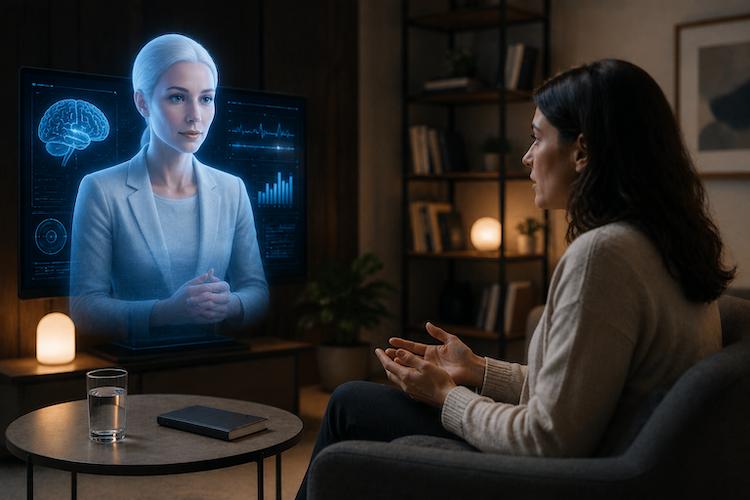
As technology continues to advance, we are witnessing a significant shift in the field of psychology with the integration of artificial intelligence (AI) in mental health. This intersection opens up a whole new realm of possibilities in understanding and treating various mental health disorders.
The use of AI in psychology allows for more personalized and efficient treatment options, ultimately improving the quality of care for individuals seeking help. By harnessing the power of AI, psychologists and mental health professionals are able to analyze data, identify patterns, and develop targeted interventions that are tailored to an individual’s specific needs.
- History of AI in mental health: The history of AI in mental health dates back several decades, with early applications focused on diagnostic tools and therapy options. Over time, advancements in technology have led to more sophisticated AI systems that can mimic human reasoning and learning processes.
- Current applications of AI in psychology and mental health: Currently, AI is being used in various ways in mental health, including diagnosing disorders, providing therapy and counseling options, and offering support through AI chatbots.
- Benefits of using AI in mental health treatment: The benefits of using AI in mental health treatment are vast, including improved access to care, increased efficiency in diagnosing and treating disorders, and the ability to personalize treatment plans based on individual needs.
While there are many exciting opportunities that come with the integration of AI in psychology, there are also challenges and limitations that need to be carefully considered. Ethical considerations, privacy concerns, and the potential for biases in AI algorithms are just a few of the issues that need to be addressed as we navigate this evolving landscape.
History of AI in Mental Health
In recent years, the field of psychology has seen rapid advancements with the integration of artificial intelligence (AI) technologies. However, the history of AI in mental health dates back several decades. In the 1950s, researchers began exploring the use of computer technology to simulate human intelligence and behavior.
One of the earliest applications of AI in mental health was the development of computer programs designed to administer psychological assessments and therapy. These early programs were limited in their capabilities, but laid the groundwork for future advancements in the field.
- During the 1970s and 1980s, researchers began to further explore the potential of AI in psychology, particularly in the areas of diagnosis and treatment of mental health disorders. Computer programs were developed to analyze symptoms and provide recommendations for treatment based on algorithms and data analysis.
- By the 1990s, advancements in technology allowed for more sophisticated AI tools to be developed for use in mental health settings. Virtual reality simulations and interactive programs were created to help individuals cope with phobias, anxiety, and post-traumatic stress disorder.
As the 21st century dawned, AI continued to make significant strides in the field of mental health. Machine learning algorithms were implemented to analyze large datasets of patient information and make more accurate predictions for diagnosis and treatment outcomes.
Overall, the history of AI in mental health reflects an ongoing evolution of technology and psychology working together to improve the understanding and treatment of mental health disorders. From early computer programs to sophisticated machine learning algorithms, the integration of AI has the potential to revolutionize the way mental health services are delivered in the future.
Current Applications of AI in Psychology and Mental Health
Artificial Intelligence (AI) is revolutionizing the field of psychology and mental health, with a wide range of applications that are already improving treatment outcomes. One major area where AI is being utilized is in the diagnosis of mental health disorders. AI tools can analyze large amounts of data to help clinicians identify patterns and make more accurate diagnoses.
- AI can also be used for therapy and counseling options, providing accessible support for individuals who may not have easy access to traditional therapy services. Chatbots, for example, can provide immediate responses and offer coping mechanisms to those in need of support.
- Another key application of AI in mental health is in monitoring and predicting mental health crises. By analyzing data from wearable devices and other sources, AI can identify changes in behavior or vital signs that may indicate a potential crisis, allowing for early intervention.
One of the benefits of using AI in mental health treatment is the ability to personalize care for each individual. AI algorithms can tailor interventions to specific needs and preferences, leading to more effective and efficient treatment outcomes. Additionally, AI can help reduce the stigma associated with seeking mental health support by providing a more private and accessible platform for those in need.
Despite the many advantages of AI in mental health, there are also challenges and limitations that need to be addressed. Ethical considerations play a significant role in the use of AI, including issues related to privacy, data security, and potential biases in algorithms. It is crucial to ensure that AI tools are developed and used ethically to protect the well-being of individuals seeking mental health treatment.
Looking ahead, the future potential of AI in mental health is vast. As technology continues to advance, we can expect to see further developments in AI tools for diagnosing and treating mental health disorders, as well as the integration of AI into various forms of therapy and counseling options. The evolving landscape of psychology with the integration of AI holds promise for improving access to mental health care and ultimately enhancing the well-being of individuals worldwide.
Benefits of using AI in mental health treatment
Artificial Intelligence (AI) offers numerous benefits when it comes to mental health treatment. One of the key advantages is the ability to provide personalized and efficient care to patients. AI algorithms can analyze vast amounts of data on an individual’s mental health history, symptoms, and responses to treatments in order to tailor a treatment plan that is best suited to their specific needs.
Another benefit of using AI in mental health treatment is the potential for early detection of mental health issues. AI tools can help in identifying patterns and warning signs that may indicate the onset of a mental health disorder, allowing for timely intervention and prevention.
- AI-powered therapy options:
- Virtual reality therapy: Virtual reality technology can create immersive environments where individuals can practice coping mechanisms and confront their fears in a controlled setting.
- Cognitive behavioral therapy (CBT) apps: AI-driven apps can offer CBT exercises and tools to help individuals manage their thoughts and behaviors.
AI chatbots are also increasingly being used to provide mental health support to individuals. These chatbots can offer immediate responses, tailored guidance, and round-the-clock support to those in need. This 24/7 availability can be particularly beneficial for individuals who may not have access to traditional therapy or support services.
Ultimately, the integration of AI into mental health treatment has the potential to revolutionize the way we approach and address mental health issues. By harnessing the power of AI, we can improve the quality, accessibility, and effectiveness of mental health care for individuals around the world.
Challenges and Limitations of AI in Mental Health
While the intersection of AI and psychology holds promise for improving mental health care, there are some challenges and limitations that need to be addressed.
- Data Privacy: One of the biggest concerns with using AI in mental health is the protection of sensitive data. Patients’ personal information needs to be securely stored and protected from breaches.
- Accuracy and Reliability: AI programs can make mistakes and may not always provide accurate diagnoses or treatment recommendations. It’s important for healthcare professionals to carefully review and verify AI-generated results.
- Lack of Human Connection: Some individuals may prefer face-to-face interactions with a therapist or counselor, which AI-powered tools cannot fully replicate. The human touch and empathy that comes with traditional therapy may be missing in AI interventions.
- Accessibility and Equity: Not everyone has access to the technology needed to benefit from AI mental health services. This creates disparities in care and can leave some individuals behind. It’s crucial to ensure that AI tools are inclusive and accessible to all populations.
- Bias and Fairness: AI algorithms can unintentionally perpetuate biases, leading to unequal treatment or stigmatization of certain groups. It is essential to address and mitigate these biases to ensure fair and equitable outcomes for all individuals seeking mental health support.
Despite these challenges, ongoing research and development in the field of AI and mental health aim to overcome these limitations and enhance the quality of care provided to individuals struggling with mental health issues. By acknowledging and addressing these challenges, we can work towards a future where AI complements traditional psychological approaches and contributes to improved mental well-being for all.
Ethical considerations when using AI in psychology
As we delve deeper into the realm of AI in mental health, it is crucial to address the ethical implications that come along with this innovative technology. While AI has the potential to revolutionize the field of psychology and mental health treatment, there are several ethical considerations that must be taken into account.
- Privacy and confidentiality: One of the primary concerns surrounding the use of AI in psychology is the protection of patient privacy and confidentiality. With sensitive information being shared and stored within AI systems, it is essential to ensure that data is securely stored and protected from unauthorized access.
- Data bias and fairness: AI algorithms are only as effective as the data they are trained on. It is important to address biases within the data used to train AI models to prevent perpetuating existing inequalities and stereotypes in mental health treatment.
- Transparency and accountability: AI systems can often be complex and opaque, making it difficult to understand how decisions are made. It is important to prioritize transparency and accountability in AI systems to ensure that patients and practitioners can trust the recommendations and decisions made by these systems.
- Informed consent: Patients have the right to understand how their data is being used and to have control over the information shared with AI systems. Ensuring that patients provide informed consent before engaging with AI-driven mental health services is essential to uphold ethical standards.
- Human oversight: While AI can enhance the efficiency and effectiveness of mental health treatment, it is crucial to remember that it is not a replacement for human therapists or clinicians. Human oversight is necessary to interpret and validate the outputs of AI systems and provide personalized care to patients.
By addressing these ethical considerations and integrating ethical frameworks into the development and implementation of AI in psychology, we can ensure that this technology is used responsibly and ethically to improve mental health outcomes for individuals around the world.
The Future Potential of AI in Mental Health
As technology continues to advance, the potential for artificial intelligence (AI) to revolutionize the field of mental health is becoming increasingly apparent. AI has the capability to assist in various aspects of mental health treatment, from diagnosis to therapy and support.
- Improved Diagnosis: AI tools have the ability to analyze vast amounts of data to aid in diagnosing mental health disorders more accurately and efficiently. By utilizing machine learning algorithms, AI can help identify patterns and symptoms that may not be immediately obvious to human professionals.
- Personalized Therapy: With AI, personalized therapy options can be tailored to individual needs and preferences. This can include providing therapy through virtual reality simulations or interactive chatbots, which can be available 24/7 to provide support and guidance.
- Early Intervention: AI can also help in early detection of mental health problems by monitoring trends and behaviors in patients over time. This proactive approach can prevent worsening conditions and improve outcomes for individuals struggling with mental health issues.
- Accessibility: One of the most significant benefits of AI in mental health is its potential to increase accessibility to care. With online therapy platforms, mobile apps, and AI chatbots, individuals in remote areas or with limited resources can access support and information on mental health at any time.
While the integration of AI in mental health shows great promise, there are still challenges and ethical considerations that need to be addressed. It is essential to ensure data privacy, maintain transparency in how AI algorithms work, and avoid biases in diagnosing and treating mental health disorders using AI.
Despite these challenges, the future potential of AI in mental health is vast. As technologies continue to evolve and improve, we can expect to see even more innovative applications of AI in psychology. The use of AI is likely to become more widespread in mental health treatment, making care more efficient, effective, and accessible to those in need.
AI tools for diagnosing mental health disorders
In recent years, the integration of artificial intelligence (AI) tools in diagnosing mental health disorders has shown great promise. These tools have the potential to revolutionize the way we identify and treat psychiatric conditions, offering a more efficient and accurate approach compared to traditional methods.
AI algorithms can analyze large sets of data such as patient records, genetic information, brain imaging scans, and behavioral patterns to detect patterns and make predictions. This can help clinicians make more informed decisions when it comes to diagnosing mental health disorders.
- Early detection: AI tools can assist in the early detection of mental health disorders by identifying subtle signs and symptoms that may not be apparent to healthcare providers. This proactive approach can lead to timely intervention and better treatment outcomes.
- Precision medicine: AI algorithms can help personalize treatment plans based on individual characteristics, such as genetic predispositions and lifestyle factors. This tailored approach can improve treatment effectiveness and reduce the risk of adverse reactions.
- Scalability: AI tools have the potential to reach a larger population in need of mental health care, especially in areas with limited access to mental health professionals. This can help bridge the gap and provide support to those who may otherwise go untreated.
Despite the benefits, there are also challenges associated with the use of AI tools for diagnosing mental health disorders. Issues such as privacy concerns, data security, and the need for human oversight are important considerations that must be addressed to ensure ethical and responsible use of these technologies.
As AI continues to advance and evolve, it is important for researchers, clinicians, and policymakers to work together to harness the full potential of these tools while prioritizing the well-being and autonomy of patients. The future of diagnosing mental health disorders with AI holds great promise, but it is crucial to proceed with caution and ethical considerations in mind.
AI Therapy and Counseling Options
AI therapy and counseling options are changing the way mental health services are delivered. These tools are providing new avenues for individuals to seek help and support in a convenient and accessible manner.
One of the key benefits of AI therapy is its ability to provide round-the-clock support. Unlike traditional therapy where individuals have to schedule appointments and wait for availability, AI therapy options are available 24/7. This means that individuals can receive support whenever they need it, without having to wait.
AI therapy tools also offer personalized treatment options. By analyzing data and patterns in an individual’s behavior, these tools can tailor their recommendations and advice to suit the specific needs of each user. This personalized approach can lead to more effective outcomes in treatment.
- Chatbots: AI-powered chatbots are a popular choice for individuals seeking immediate support. These chatbots can engage in conversations with users, offering a listening ear and providing coping strategies and resources.
- Virtual therapists: Some AI programs are developed to mimic human therapists, providing a more interactive experience for individuals seeking counseling. These virtual therapists can offer guidance and support in a similar way to in-person sessions.
- Mobile apps: Many mental health apps incorporate AI technology to provide various tools and resources for users to manage their mental health. These apps can include mood tracking features, mindfulness exercises, and cognitive behavior therapy techniques.
While AI therapy options offer many benefits, it’s essential to note that they are not a substitute for traditional therapy. Human interaction and connection are crucial components of mental health treatment, and AI tools should be used in conjunction with professional support services.
As technology continues to advance, we can expect to see further developments in AI therapy options. These tools have the potential to reach larger populations and provide innovative solutions for individuals struggling with mental health issues.
AI Chatbots for Mental Health Support
In recent years, AI chatbots have emerged as a new and innovative way to provide mental health support to individuals in need. These virtual conversational agents are designed to engage in conversations with users, providing resources, guidance, and emotional support.
- Accessibility: One of the key advantages of AI chatbots in mental health support is their accessibility. Users can access them anytime, anywhere, from the comfort of their own devices. This ensures that individuals who may be hesitant to seek traditional therapy can still receive support.
- Anonymous support: Many individuals feel more comfortable opening up about their mental health struggles to a chatbot than to a human therapist. The anonymity provided by AI chatbots can help reduce the stigma associated with seeking help for mental health issues.
- 24/7 availability: AI chatbots are available around the clock, making them a valuable resource for individuals experiencing a mental health crisis outside of regular therapy hours. This immediate support can help prevent escalating crises and provide much-needed comfort to those in distress.
While AI chatbots offer numerous benefits, there are also limitations to consider. They are not a replacement for professional therapy or medical treatment and should be used as a supplement to traditional mental health care. Additionally, there are concerns about the reliability and accuracy of AI chatbots in assessing and addressing complex mental health issues.
Despite these challenges, the future potential of AI chatbots in mental health support is vast. As technology continues to advance, chatbots will likely become more sophisticated in their ability to provide personalized support and resources to individuals in need.
Whether you’re feeling overwhelmed, anxious, or just need someone to talk to, AI chatbots can be a helpful tool for seeking mental health support. Remember, it’s always important to reach out to a mental health professional if you’re experiencing severe or ongoing mental health issues.
Future Developments in AI for Mental Health
In the rapidly evolving field of psychology, the integration of artificial intelligence (AI) has shown tremendous potential for improving mental health care. As technology continues to advance, there are several exciting developments on the horizon that hold promise for revolutionizing how we approach and treat mental health issues.
- Personalized Treatment: One of the key future developments in AI for mental health is the ability to provide personalized treatment plans based on an individual’s unique needs and preferences. AI algorithms can analyze data from various sources, such as brain imaging, genetic markers, and behavioral patterns, to tailor treatment strategies that are more effective and efficient.
- Early Intervention: AI tools are being developed to detect early signs of mental health disorders, allowing for proactive intervention before symptoms worsen. By analyzing a person’s digital footprint, including social media posts and online activities, AI can help identify individuals at risk of developing mental health issues and provide support before they reach a crisis point.
- Virtual Reality Therapy: The use of virtual reality coupled with AI is poised to revolutionize therapy and counseling for mental health. Virtual environments can be created to simulate real-life situations that trigger anxiety or phobias, allowing individuals to practice coping strategies in a safe and controlled setting. AI algorithms can adapt the scenarios based on the user’s responses, making the therapy more personalized and effective.
These future developments in AI for mental health hold great promise in revolutionizing the field and improving outcomes for individuals struggling with mental health issues. While there are still challenges to overcome, such as data privacy concerns and ethical considerations, the potential benefits of integrating AI into psychology are substantial. As researchers and developers continue to innovate and refine AI technologies for mental health care, we can expect to see more personalized, proactive, and effective approaches to treating a wide range of mental health disorders.
Conclusion: The Evolving Landscape of Psychology with the Integration of AI
As we look towards the future of psychology, it is clear that artificial intelligence will play an increasingly important role in mental health treatment. The intersection of AI and psychology has the potential to revolutionize the way we approach mental health care, offering new tools and resources to support individuals in need.
- History: The history of AI in mental health dates back several decades, with early developments focused on automating tasks such as diagnosis and therapy. As technology has advanced, AI has become increasingly sophisticated, allowing for more personalized and effective treatment options.
- Current Applications: From virtual therapists to AI-powered chatbots, there are a wide range of applications of AI in psychology and mental health. These tools can provide real-time support, personalized recommendations, and even help in diagnosing mental health disorders.
- Benefits: The benefits of using AI in mental health treatment are numerous. AI can offer 24/7 support, reduce stigma associated with seeking help, and improve the overall quality and efficiency of care. It can also help bridge the gap between demand for mental health services and the available resources.
- Challenges: However, there are also challenges and limitations to consider when using AI in psychology. Issues such as data privacy, bias in algorithms, and the risk of over-relying on technology must be carefully managed to ensure ethical and effective treatment.
- Future Potential: Despite these challenges, the future potential of AI in mental health is vast. As technology continues to evolve, we can expect to see new innovations in diagnosis, treatment, and support options. AI has the power to transform the way we think about and approach mental health care.
In conclusion, the integration of AI into psychology represents a significant step forward in the field of mental health. By leveraging the capabilities of artificial intelligence, we have the opportunity to enhance the delivery of care, improve outcomes for patients, and ultimately create a more accessible and effective system of support for those in need. The future of psychology is bright with the promise of AI, paving the way for a more connected, compassionate, and responsive approach to mental health care.

 Subscribe to the newsletter







Сообщить об опечатке
Текст, который будет отправлен нашим редакторам: