

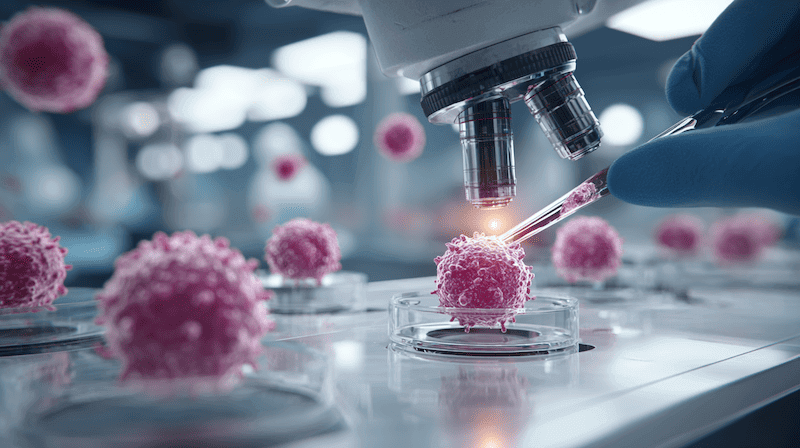
Cancer is a complex and challenging disease that affects millions of people worldwide. Over the years, significant advancements in biotechnology have revolutionized the way we understand, diagnose, and treat cancer. Biotech innovations have played a crucial role in developing more effective and targeted therapies that are changing the landscape of cancer treatment.
Biotechnology involves using biological systems, organisms, or derivatives to develop new technologies and products to combat diseases like cancer. These innovations have opened up new possibilities for personalized treatments that can specifically target cancer cells while minimizing damage to healthy tissues.
- One of the key areas where biotech innovations have made significant strides is in immunotherapy. This approach harnesses the body’s immune system to recognize and destroy cancer cells, offering new hope to patients with advanced or recurrent cancers.
- Gene therapy is another promising avenue in cancer treatment, where genetic material is used to modify or replace faulty genes that drive cancer growth. This approach holds the potential to develop more targeted and personalized treatments tailored to an individual’s genetic makeup.
- Nanotechnology has also emerged as a powerful tool in cancer treatment by delivering drugs directly to tumor sites, minimizing side effects and improving treatment outcomes. By designing nanoparticles that can specifically target cancer cells, researchers are able to enhance the effectiveness of chemotherapy and reduce its toxicity.
Additionally, artificial intelligence is being utilized to analyze vast amounts of data generated from cancer research, clinical trials, and patient records. By using machine learning algorithms, AI can help identify patterns, predict treatment responses, and contribute to the development of more precise and individualized treatment plans.
As we continue to explore new frontiers in cancer research, the field of biotechnology remains at the forefront of innovation. By integrating cutting-edge technologies and scientific breakthroughs, biotech innovations are driving progress towards more effective, personalized, and compassionate care for cancer patients.
Overview of the current state of cancer treatment
Cancer is a complex group of diseases that have been challenging to treat effectively. Traditional methods such as surgery, chemotherapy, and radiation therapy have been the cornerstones of cancer treatment for many years. While these treatments have helped many patients, they also come with significant side effects and limitations.
In recent years, biotech innovations have revolutionized the landscape of cancer treatment. Breakthroughs in molecular biology, genetics, and immunology have paved the way for more targeted and personalized treatment approaches. These innovative therapies aim to not only kill cancer cells but also help the patient’s immune system fight the disease more effectively.
- Immunotherapy: One of the most significant advancements in cancer treatment is the development of immunotherapies. These treatments harness the power of the immune system to identify and destroy cancer cells. Immunotherapies have shown great promise in treating a variety of cancers and are gradually becoming standard therapy in many cases.
- Gene therapy: By altering the genetic makeup of cancer cells, gene therapy holds great potential in the fight against cancer. Researchers are developing gene-targeted therapies that can specifically target and genetically modify cancer cells, causing them to self-destruct without harming healthy cells.
Nanotechnology has also made significant contributions to improving cancer treatment outcomes. Nanoparticles can be loaded with drugs and guided to specific cancer cells, minimizing damage to healthy tissue and reducing side effects. Additionally, artificial intelligence plays a crucial role in analyzing vast amounts of cancer data to identify patterns and develop innovative treatment strategies tailored to individual patients.
The field of personalized medicine has further enhanced cancer treatment by considering each patient’s unique genetic makeup and lifestyle factors. Clinical trials are essential for testing the safety and efficacy of these cutting-edge treatments before they can be approved for widespread use.
While biotech innovations have brought hope and progress to the field of cancer treatment, there are still challenges and ethical considerations that must be addressed. Researchers continue to explore new avenues for improving cancer therapies, with the ultimate goal of finding a cure for all types of cancer.
Importance of Continuous Research and Development in Biotechnology for Cancer
Research and development in biotechnology are crucial in the fight against cancer. As scientists and researchers learn more about the mechanisms of cancer, they are able to develop innovative treatments that target specific pathways and types of cancer.
Continuous research and development help in improving the effectiveness of cancer treatments, reducing side effects, and ultimately saving more lives. New technologies and advancements in biotechnology provide hope for patients with various types of cancer, offering treatment options that were not available previously.
- Personalized Medicine: One of the key benefits of ongoing research in biotechnology is the development of personalized medicine for cancer patients. By analyzing a patient’s genetic makeup and tumor characteristics, doctors can tailor treatments to specifically target the cancer cells while minimizing damage to healthy tissues.
- Advances in Immunotherapy: Research in immunotherapy has shown promising results in boosting the body’s immune system to fight cancer. By constantly developing and improving these treatments, scientists are finding new ways to harness the power of the immune system to target and destroy cancer cells.
- Targeted Drug Delivery: Utilizing nanotechnology for targeted drug delivery is another area where continuous research is making a significant impact. By developing nanoparticles that can specifically deliver medications to cancer cells, researchers are able to improve treatment outcomes and reduce side effects.
Without continued research and development in biotechnology, we would not have seen the advancements that have been made in cancer treatment over the past few decades. It is essential to support scientific efforts in this field to ensure that new and improved therapies continue to be developed for the benefit of cancer patients worldwide.
Advances in Immunotherapy and its Role in Cancer Treatment
Immunotherapy is a cutting-edge approach in cancer treatment that harnesses the power of the body’s immune system to target and destroy cancer cells. Unlike traditional cancer treatments like chemotherapy and radiation therapy, which can harm healthy cells along with cancerous ones, immunotherapy aims to specifically attack cancer cells while preserving normal tissues. This personalized form of treatment is revolutionizing cancer care and offering new hope for patients.
- One of the most important advances in immunotherapy is the development of checkpoint inhibitors, which are drugs that help the immune system recognize and attack cancer cells more effectively. By blocking the proteins that limit the immune response, these drugs have shown promising results in treating various types of cancer
- Another exciting area of research is adoptive cell therapy, where immune cells are extracted from the patient, genetically modified to better target cancer cells, and then reinfused into the body. This innovative approach has shown remarkable success in certain types of blood cancers
Overall, immunotherapy is changing the landscape of cancer treatment by offering new options for patients who may not respond well to traditional therapies. By boosting the body’s own immune response to fight cancer, these treatments hold the potential to prolong survival and improve quality of life for those battling this disease.
Gene Therapy and its Potential Impact on Fighting Cancer
Gene therapy is a revolutionary approach in biotechnology that has shown great promise in fighting cancer. This innovative treatment involves changing the genetic material of cells to target and destroy cancer cells, offering a more targeted and potentially less invasive option compared to traditional treatments like chemotherapy.
By introducing genes into cancer cells or modifying existing ones, gene therapy aims to inhibit the growth and spread of tumors, ultimately leading to the destruction of cancer cells. This personalized approach takes into account the specific genetic makeup of each patient’s cancer, allowing for tailored treatments that may be more effective and have fewer side effects.
- Targeted Genes: Gene therapy can be tailored to target specific genes that play a role in cancer development, such as those responsible for cell growth, division, and survival. By targeting these genes, gene therapy disrupts the mechanisms that drive cancer progression.
- Immunotherapy Boost: Gene therapy can be used to enhance the body’s immune response against cancer cells. By modifying immune cells to recognize and attack cancer cells more effectively, gene therapy can boost the effectiveness of immunotherapy treatments.
- Preventing Genetic Mutations: Gene therapy can also be used to correct genetic mutations that predispose individuals to certain types of cancer, reducing their risk of developing the disease in the future.
Although gene therapy for cancer is still in the experimental stages, with ongoing research and clinical trials, it holds great potential for improving treatment outcomes and even achieving complete remission in some cases. As advancements in gene editing technology continue to evolve, the potential impact of gene therapy on fighting cancer is becoming increasingly promising.
It is important to note that gene therapy is not without challenges and ethical considerations, such as the potential risks associated with genetic manipulation and ensuring patient safety. However, with careful research and regulation, gene therapy has the potential to significantly change the landscape of cancer treatment and offer new hope to patients facing this devastating disease.
Nanotechnology and Targeted Drug Delivery for Better Cancer Treatment Outcomes
Nanotechnology has revolutionized the way we approach cancer treatment, offering a more precise and effective way to deliver drugs directly to cancer cells. Traditional chemotherapy can be harsh on the body, impacting healthy cells along with cancerous ones. However, with the use of nanotechnology, drugs can be encapsulated in nanoparticles that target only cancer cells, minimizing side effects and maximizing treatment outcomes.
- Nanoparticles are incredibly small, on the scale of a billionth of a meter, allowing them to easily penetrate cancer tumors and delivery targeted therapy directly to the affected area.
- These nanoparticles can be engineered to release drugs at a specific rate or in response to certain conditions within the tumor microenvironment, making treatment more efficient and reducing the likelihood of drug resistance.
This targeted drug delivery approach also allows for combination therapies, where multiple drugs can be delivered simultaneously to attack cancer cells from different angles. This can help to overcome the heterogeneity of cancer cells within a tumor and improve treatment response rates.
Furthermore, nanotechnology can enhance diagnostic methods for cancer detection, enabling early identification of the disease and leading to more successful treatment outcomes. Nanoparticles can be designed to bind specifically to cancer markers, allowing for sensitive and accurate detection of cancer cells in the body.
Overall, the integration of nanotechnology into cancer treatment holds great promise for improving patient outcomes and quality of life. By making treatment more targeted and efficient, nanotechnology is paving the way for a new era in cancer therapy. As research continues to advance in this field, we can expect even more groundbreaking innovations that will further revolutionize the fight against cancer.
Role of artificial intelligence in analyzing cancer data and improving treatment strategies
In recent years, artificial intelligence (AI) has emerged as a powerful tool in the fight against cancer. By analyzing vast amounts of data, AI can help researchers and healthcare professionals to better understand the complexities of cancer and develop more effective treatment strategies.
One of the key benefits of AI in cancer research is its ability to process and analyze large datasets quickly and efficiently. This allows researchers to uncover patterns and trends in cancer data that may be too complex for human analysts to identify. By leveraging AI-powered algorithms, scientists can discover new insights into the underlying mechanisms of cancer and design targeted therapies that can effectively combat the disease.
- AI can identify biomarkers that predict how a patient will respond to a specific treatment, allowing doctors to personalize care and improve outcomes.
- AI technologies can also analyze genetic mutations in tumors and recommend optimal treatment options based on individual patient characteristics.
Furthermore, AI can assist in drug discovery and development by identifying potential candidate molecules that could be effective in targeting cancer cells. This can lead to the creation of new and improved cancer treatments that are more precise and less toxic to patients.
Another vital role of AI in cancer treatment is its ability to create predictive models that can forecast disease progression and recommend the best course of action for patients. By analyzing a patient’s medical history, genetic profile, and other relevant data, AI can help oncologists make informed decisions about treatment plans in a timely manner.
Overall, the integration of artificial intelligence into cancer research and treatment has the potential to revolutionize the way we approach the disease. By harnessing the power of AI algorithms, we can accelerate the pace of discovery, optimize treatment outcomes, and ultimately improve the lives of cancer patients around the world.
As technology continues to advance, it is essential for the scientific community to collaborate and leverage the capabilities of AI to develop innovative solutions for combating cancer.
Biotech Innovations in Personalized Medicine for Cancer Patients
In recent years, there have been significant advancements in the field of personalized medicine for cancer patients. Personalized medicine aims to tailor medical treatment to the individual characteristics of each patient, including their genetic makeup and specific biomarkers. This approach allows for more precise and effective treatments, ultimately improving patient outcomes.
One key biotech innovation in personalized cancer treatment is the use of genetic testing to identify specific mutations in a patient’s cancer cells. By understanding the genetic profile of a tumor, oncologists can choose targeted therapies that are most likely to be effective in killing cancer cells while minimizing side effects.
Another biotech innovation in personalized medicine is the development of liquid biopsies, which involve analyzing a patient’s blood for circulating tumor cells or fragments of tumor DNA. These liquid biopsies provide real-time information on how a patient’s cancer is responding to treatment, allowing for adjustments to the treatment plan as needed.
Nanotechnology has also played a significant role in personalized cancer treatment. Nanoparticles can be engineered to target specific cancer cells while sparing healthy tissue, leading to more precise drug delivery and improved treatment outcomes for patients.
- Furthermore, advances in immunotherapy have allowed for the development of personalized treatments that harness the patient’s immune system to target and destroy cancer cells. By customizing immunotherapy approaches based on individual patient characteristics, researchers have seen promising results in treating various types of cancer.
- Artificial intelligence has also contributed to personalized medicine by analyzing vast amounts of data to identify patterns and predict treatment responses. This data-driven approach helps oncologists make more informed decisions about treatment strategies tailored to each patient.
Overall, biotech innovations in personalized medicine hold great promise for revolutionizing cancer treatment. By taking into account the unique biology of each patient’s cancer, personalized medicine can lead to more targeted and effective treatments, ultimately improving patient outcomes and quality of life.
Clinical trials and biotech advancements in experimental cancer treatments
Clinical trials play a crucial role in testing the effectiveness and safety of new cancer treatments developed through biotech innovations. These trials involve carefully designed research studies that help doctors and scientists evaluate the potential benefits and risks of experimental therapies.
By participating in clinical trials, patients have the opportunity to access cutting-edge treatments that may not be available through conventional methods. These trials can also provide valuable data that contribute to ongoing research and development in the field of biotechnology for cancer treatment.
- Patient involvement: Participating in a clinical trial is a personal decision that should be made in consultation with healthcare providers. Patients who choose to participate in trials not only potentially benefit from new treatments but also contribute to advancing medical knowledge for future cancer patients.
- Biotech advancements: Biotech companies are constantly working on developing innovative therapies that target specific cancer types or molecular pathways. Through clinical trials, these advancements can be tested in real-life settings to determine their efficacy and safety for patients.
- Monitoring and regulations: Clinical trials are closely monitored by regulatory bodies to ensure patient safety and ethical standards. This oversight helps to maintain the integrity of the research process and safeguard the well-being of participants.
- Collaboration and data sharing: Many biotech companies collaborate with academic institutions, government agencies, and healthcare organizations to conduct clinical trials effectively. The sharing of data and collaboration among different stakeholders in the field contribute to the overall progress of cancer research.
Overall, clinical trials and biotech advancements in experimental cancer treatments play a vital role in pushing the boundaries of traditional treatment methods. By exploring new therapies and technologies, researchers and healthcare professionals can continue to improve outcomes for cancer patients and work towards finding a cure for this complex disease.
Challenges and Ethical Considerations in Biotech Innovations for Cancer
As exciting as biotech innovations in fighting cancer are, there are certainly challenges and ethical considerations that must be addressed. One major challenge is the high cost of developing and implementing these technologies. It can be difficult for patients to access cutting-edge treatments if they are not covered by insurance or if they are prohibitively expensive.
Furthermore, ensuring the safety and efficacy of new biotech treatments is an ongoing challenge. Clinical trials must be conducted to test the effectiveness of these therapies, but this process can take time and delay the availability of new treatments to patients who need them.
- Another important ethical consideration is the issue of informed consent. Patients must fully understand the risks and benefits of experimental treatments before participating in clinical trials. This requires clear communication and transparency from researchers and healthcare providers.
- Additionally, there is the concern of equitable access to these biotech innovations. It is essential that all patients, regardless of their socioeconomic status or geographic location, have equal opportunity to benefit from these treatments.
- There is also the ethical dilemma of genetic testing and personalized medicine. While genetic information can help tailor treatments to individual patients, there are concerns about privacy and potential discrimination based on genetic predispositions.
Moreover, there are regulatory hurdles that biotech companies must navigate when developing new cancer therapies. Ensuring compliance with FDA regulations and other governmental agencies can be complex and time-consuming.
Despite these challenges and ethical considerations, the promise of biotech innovations in fighting cancer is undeniable. By addressing these issues head-on and working together to overcome barriers, we can hopefully see more breakthrough treatments that improve outcomes for cancer patients around the world.
Future directions in biotech research for cancer treatment
As we look towards the future of biotech research in fighting cancer, there are several exciting developments on the horizon. One promising avenue is the development of personalized cancer vaccines. These vaccines are tailor-made to target specific cancer cells in an individual patient, potentially leading to more precise and effective treatment outcomes.
Furthermore, the use of CRISPR gene editing technology holds great promise in revolutionizing cancer treatment. Scientists are exploring how CRISPR can be used to modify genes in cancer cells to either stop their growth or make them more susceptible to existing treatments.
In addition, researchers are investing in the study of the tumor microenvironment, which comprises various non-cancerous cells and molecules surrounding the tumor. By understanding the interactions within this microenvironment, scientists hope to develop novel therapies that exploit these interactions to better target and eradicate cancer cells.
Another hot area of research is the development of liquid biopsies. These tests analyze circulating tumor cells, DNA, and other biomarkers in the blood to monitor cancer progression and treatment response. Liquid biopsies have the potential to provide real-time information about a patient’s cancer status, helping doctors make more informed treatment decisions.
Lastly, artificial intelligence and machine learning tools are being increasingly integrated into cancer research to analyze vast amounts of data and identify patterns that can guide treatment strategies. By harnessing the power of AI, researchers hope to uncover new insights and predictive models that can optimize cancer therapy.
In conclusion, the future of biotech research for cancer treatment is bright, with ongoing innovations paving the way for more personalized, targeted, and effective therapies. Collaboration between scientists, clinicians, and industry partners will be crucial in translating these cutting-edge discoveries from the lab to the clinic, ultimately bringing us one step closer to conquering cancer.
Conclusion: Biotech Innovations Fighting Cancer
Biotechnology has revolutionized the way we approach cancer treatment, offering innovative solutions that are changing the landscape of this battle. From immunotherapy to gene therapy, nanotechnology, artificial intelligence, personalized medicine, and experimental treatments, biotech innovations are paving the way for more effective and targeted approaches to fighting cancer.
- The current state of cancer treatment is constantly evolving, with biotech advancements playing a crucial role in improving outcomes and quality of life for patients.
- Continuous research and development in biotechnology is essential to stay ahead of cancer’s ever-changing nature and to adapt treatment strategies accordingly.
- Immunotherapy has emerged as a promising avenue in cancer treatment, harnessing the power of the immune system to target and destroy cancer cells.
- Gene therapy offers the potential to directly target and eliminate cancer cells, providing more tailored and effective treatment options for patients.
- Nanotechnology and targeted drug delivery systems are increasing the precision and efficacy of cancer treatments, minimizing side effects and improving patient outcomes.
- Artificial intelligence is transforming the way we analyze cancer data, leading to more personalized treatment strategies and better decision-making processes.
- Personalized medicine is revolutionizing cancer care by tailoring treatment plans based on individual genetic makeup, leading to more effective and less toxic therapies.
- Clinical trials are essential in testing and validating new biotech advancements in cancer treatment, offering hope for alternative and experimental approaches for patients.
- While there are challenges and ethical considerations in biotech innovations for cancer, ongoing research and regulatory oversight aim to address these issues and ensure patient safety.
- Looking towards the future, biotech research continues to push the boundaries of what is possible in fighting cancer, with groundbreaking discoveries on the horizon.

 Subscribe to the newsletter








Сообщить об опечатке
Текст, который будет отправлен нашим редакторам: