

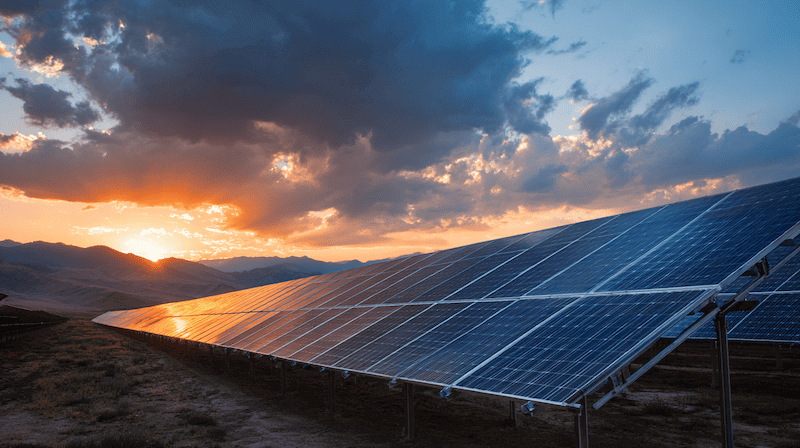
Introduction to Renewable Energy Sources
In today’s world, the importance of transitioning to renewable energy sources has never been more crucial. With concerns about climate change and energy security on the rise, renewable energy offers a sustainable solution that can help combat these issues.
Renewable energy sources are derived from natural processes that are constantly replenished, such as sunlight, wind, and water. These sources have the potential to provide clean energy without depleting finite resources or emitting harmful greenhouse gases.
- Solar Energy: One of the most abundant and accessible forms of renewable energy is solar energy. Solar panels can convert sunlight into electricity, providing power for homes, businesses, and even entire communities.
- Wind Energy: Wind turbines harness the kinetic energy of the wind to generate electricity. This technology is especially effective in areas with consistent wind patterns.
- Hydropower: Hydroelectric power plants use flowing water to generate electricity, making use of the natural energy of rivers and streams.
- Bioenergy: Bioenergy utilizes organic materials like crop residues and wood pellets to produce heat and electricity.
- Geothermal Energy: Geothermal energy taps into the heat stored beneath the Earth’s surface to generate power through steam turbines.
Each of these renewable energy sources offers unique benefits, from reducing carbon emissions to promoting energy independence. By diversifying our energy mix and investing in these sustainable technologies, we can create a cleaner and more resilient energy system for the future.
Overview of hybrid solar energy systems
Solar power has been a crucial player in the renewable energy sector, offering a clean and sustainable energy solution to meet our growing power needs. Hybrid solar energy systems take this technology one step further by combining solar panels with other renewable energy sources such as wind or hydro power.
- Harnessing the power of the sun: Solar panels convert sunlight into electricity through the photovoltaic effect. By integrating solar power with other renewable energy sources, hybrid systems can maximize energy production and reliability.
- Balancing energy production: By diversifying energy sources, hybrid systems can ensure a more consistent and reliable power supply. During periods of low sunlight, wind turbines or hydro generators can pick up the slack, keeping the system running smoothly.
- Reducing dependence on the grid: Hybrid solar energy systems offer the potential for greater energy independence, allowing individuals and businesses to generate their own power and reduce reliance on traditional utility companies.
Hybrid solar energy systems can be designed to fit a wide range of applications, from small residential setups to large-scale commercial projects. By combining the strengths of different renewable energy sources, these systems offer a flexible and efficient way to meet our energy needs while reducing our impact on the environment.
Advantages of combining solar with other renewable energy sources
When it comes to renewable energy, combining different sources can have numerous benefits. One of the main advantages of integrating solar power with other renewable energy technologies is increased reliability and efficiency. By complementing solar panels with wind turbines or hydroelectric systems, a hybrid renewable energy system can operate more consistently, even when the sun is not shining.
Additionally, hybrid renewable energy systems can take advantage of the strengths of each individual technology. Solar panels are most effective during the day, while wind turbines often produce more energy at night. By combining these two sources, energy production can be optimized throughout the day and night, ensuring a more stable and consistent power supply.
- Cost-effectiveness: Combining multiple renewable energy sources can also lead to cost savings. By diversifying the energy mix, organizations can reduce their reliance on expensive fossil fuels and grid electricity, consequently lowering their overall energy bills.
- Reduced environmental impact: Utilizing a mix of renewable energy sources helps reduce greenhouse gas emissions and other pollutants associated with traditional power generation. This leads to a cleaner and greener environment, benefiting both current and future generations.
- Improved energy security: By integrating multiple sources of renewable energy, communities and organizations can become less reliant on volatile fossil fuel markets and imported energy. This can lead to greater energy independence and security.
Overall, combining solar power with other renewable energy sources offers a multitude of advantages that can help transition towards a more sustainable and resilient energy future.
Case Studies Showcasing Successful Hybrid Solar Projects
One of the most effective ways to understand the potential and benefits of hybrid solar energy systems is through real-life examples of successful projects. These case studies demonstrate how combining different renewable energy sources can lead to efficient and sustainable energy production.
- Farmington, New Mexico: The Farmington Electric Utility System has implemented a hybrid solar-wind energy project that has significantly reduced the city’s dependency on traditional fossil fuels. By combining solar panels with wind turbines, the city has been able to generate clean energy even in times of low sunlight or wind, ensuring a reliable source of power for its residents.
- Australia’s Ultimo Smart City: The Ultimo Smart City project in Australia showcases the integration of solar panels with advanced storage technologies to create a resilient and self-sustaining energy system. This innovative approach has allowed the city to reduce its carbon footprint significantly and become a model for future sustainable urban development.
- Barcelona, Spain: Barcelona’s Torre Glòries skyscraper is a prime example of how hybrid solar energy systems can be integrated into urban infrastructure. By installing solar panels on its rooftop and combining them with energy-efficient systems, the building has successfully reduced its electricity costs and reliance on the grid, while also lowering its environmental impact.
These case studies highlight the versatility and potential of hybrid solar energy systems in various environments, from rural towns to bustling cities. By leveraging the strengths of different renewable energy sources, these projects demonstrate the scalability and adaptability of hybrid solar technology in meeting the energy needs of today and tomorrow.
Challenges and Limitations of Current Hybrid Solar Technologies
While hybrid solar technology shows great promise in revolutionizing the renewable energy sector, there are still several challenges and limitations to overcome. One of the main challenges is the intermittency of solar energy, as it is dependent on sunlight availability. This can lead to fluctuations in energy production, making it inconsistent and less reliable compared to traditional energy sources.
- Another limitation is the high initial costs associated with installing hybrid solar systems. While the long-term savings from reduced energy bills make it a cost-effective solution, the upfront investment can be a barrier for many homeowners and businesses.
- Additionally, the efficiency of current hybrid solar technologies needs improvement. Although advancements have been made in increasing efficiency levels, further research and development are needed to maximize energy production and minimize waste.
Furthermore, the integration of different renewable energy sources in a hybrid system can present technical challenges, such as compatibility issues between components and optimizing energy generation from each source. This requires careful planning and technical expertise to ensure seamless integration and optimal performance.
In regions with limited sunlight or harsh weather conditions, such as frequent cloud cover or extreme temperatures, the effectiveness of solar panels may be reduced. This poses a challenge for maximizing energy output and may require alternative solutions to offset the limitations of solar energy.
Overall, it is important for researchers and industry professionals to address these challenges and limitations to unlock the full potential of hybrid solar technologies. By developing innovative solutions and strategies, we can overcome these barriers and pave the way for a more sustainable and efficient energy future.
Innovations in Hybrid Solar Technology
As technology continues to advance, so does the development of hybrid solar systems. Innovations in hybrid solar technology are making it easier, more efficient, and more affordable than ever to generate clean energy.
- One major innovation in hybrid solar technology is the integration of smart grids. Smart grids allow for better management of electricity flow, ensuring optimal use of renewable energy sources such as solar power. This technology helps to improve energy efficiency and reliability while reducing costs associated with energy consumption.
- Another exciting innovation is the use of artificial intelligence (AI) in hybrid solar systems. AI algorithms can optimize energy production by adjusting solar panels to follow the sun’s path or predicting energy usage patterns. This can lead to significant increases in energy generation and overall system performance.
- Furthermore, advancements in energy storage technologies are revolutionizing hybrid solar systems. Energy storage solutions such as lithium-ion batteries are becoming more affordable and efficient, allowing excess energy produced during sunny days to be stored for use during cloudy days or at night. This helps to overcome one of the main limitations of solar energy — its intermittency.
Additionally, the development of flexible solar panels and solar tiles is changing the landscape of solar technology. These innovative products can be easily integrated into buildings and other structures, allowing for seamless and aesthetically pleasing solar energy generation. This opens up new possibilities for hybrid solar applications in urban environments where space is limited.
Overall, these innovations in hybrid solar technology are driving the growth of renewable energy and helping to create a more sustainable future. By combining the latest advancements in solar technology with other renewable energy sources, we are moving closer to a clean and reliable energy system that can power our world for generations to come.
Potential for integration with energy storage solutions
One of the key challenges in the renewable energy sector has been the issue of intermittency. Solar power, for example, is only available when the sun is shining, and wind power is dependent on the wind blowing. Energy storage solutions have emerged as a potential game-changer in addressing this challenge.
By integrating energy storage systems with hybrid solar setups, excess energy generated during peak times can be stored for later use when there is a lack of sunlight or wind. This not only helps to increase the reliability and stability of the energy supply but also allows for greater flexibility in the management of renewable energy resources.
- Energy storage solutions can come in various forms, including batteries, pumped hydro storage, and thermal energy storage. These technologies are becoming increasingly efficient and cost-effective, making them an attractive option for pairing with hybrid solar systems.
For instance, in off-grid locations where traditional grid infrastructure is lacking, energy storage systems can provide a reliable source of power around the clock, reducing the reliance on diesel generators and lowering overall energy costs.
Moreover, the integration of energy storage solutions with hybrid solar setups can also contribute to grid stability and support the transition towards a more decentralized energy system. This can help reduce the strain on the existing grid infrastructure and make the overall energy supply more resilient to disruptions.
As innovations in energy storage technologies continue to advance, the potential for integration with hybrid renewable energy systems remains a promising area for further development. By combining the benefits of renewable energy sources with reliable and efficient energy storage solutions, we can pave the way towards a more sustainable and decentralized energy future.
Economic considerations for hybrid solar systems
When considering the implementation of a hybrid solar system, there are several economic factors to take into account. One of the key benefits of incorporating multiple renewable energy sources into a hybrid system is the potential cost savings. By diversifying the energy sources, businesses and homeowners can reduce their reliance on traditional, often more expensive, forms of energy like fossil fuels.
Additionally, hybrid solar systems can help to maximize energy production during peak hours, when electricity prices are typically higher. This can result in significant savings on energy bills over time.
- Another economic advantage of hybrid solar systems is the potential for government incentives and rebates. Many governments offer financial incentives to encourage the adoption of renewable energy sources, including solar. These incentives can help offset the initial costs of installing a hybrid solar system, making it a more attractive option for many consumers.
- Furthermore, the price of solar panels and other renewable energy technologies has been steadily decreasing in recent years, making hybrid solar systems more affordable than ever before. As the cost of traditional energy sources continues to rise, investing in a hybrid solar system can be a smart long-term financial decision.
It’s important to carefully consider the upfront costs of installing a hybrid solar system, as well as the projected savings over time. While the initial investment may seem daunting, the long-term benefits in terms of reduced energy bills and environmental impact make it a worthwhile consideration for many individuals and businesses.
Ultimately, the economic advantages of hybrid solar systems make them an appealing option for those looking to decrease their reliance on traditional energy sources and reduce their carbon footprint. By harnessing the power of the sun and other renewable resources, hybrid solar systems offer a sustainable and cost-effective solution to our energy needs.
Environmental Benefits of Utilizing Hybrid Solar Energy
One of the greatest advantages of utilizing hybrid solar energy systems is the positive impact on the environment. By combining solar power with other renewable energy sources, we are able to reduce our reliance on fossil fuels and significantly decrease greenhouse gas emissions.
When we generate electricity from solar panels, we harness the power of the sun’s rays without creating any pollution or harmful byproducts. This means that using solar energy helps to reduce air pollution and combat climate change by lowering the carbon footprint associated with traditional energy sources.
- Reduced emissions: By generating electricity through hybrid solar systems, we can reduce the amount of carbon dioxide and other greenhouse gases being released into the atmosphere. This helps to limit global warming and its negative effects on our planet.
- Promotes sustainability: Solar energy is a renewable resource, meaning it can be constantly replenished. By utilizing hybrid solar systems, we are able to harness sustainable energy sources and reduce our dependence on finite resources like coal and oil.
- Protecting natural habitats: Traditional energy sources often require the destruction of natural habitats through mining and drilling. By shifting towards hybrid solar energy, we can help protect ecosystems and wildlife by minimizing the impact of energy production on the environment.
- Water conservation: Many conventional power plants require large amounts of water for cooling purposes. By using solar energy instead, we can reduce the need for water-intensive energy generation and help conserve this precious resource.
Overall, the environmental benefits of utilizing hybrid solar energy are vast and critical for creating a sustainable future. By investing in renewable energy solutions like hybrid solar systems, we can combat climate change, protect our planet’s natural resources, and promote a cleaner, healthier environment for future generations.
Government Policies and Incentives Supporting Hybrid Solar Development
When it comes to accelerating the adoption of renewable energy sources like hybrid solar systems, government policies and incentives play a crucial role. Many countries around the world are now implementing measures to support and encourage the development of hybrid solar projects.
- Financial Incentives: One of the most common ways governments incentivize the use of hybrid solar systems is through financial rewards such as tax credits, rebates, and grants. These incentives help make hybrid solar technology more financially accessible for both businesses and homeowners.
- Net Metering: Net metering policies allow solar system owners to receive credit for excess electricity they generate and feed back into the grid. This encourages the installation of hybrid solar systems by providing a way to offset electricity costs.
- Feed-In Tariffs: Some countries offer feed-in tariffs which guarantee a fixed payment for each kilowatt-hour of electricity generated by a renewable energy system. This provides a stable income stream for hybrid solar project owners, making it a more attractive investment.
Additionally, many governments are setting renewable energy targets and implementing regulations to promote the use of hybrid solar technologies. By creating a supportive policy environment, governments can stimulate innovation and growth in the renewable energy sector.
For example, in the United States, the Investment Tax Credit (ITC) offers a federal tax credit for commercial and residential solar energy systems, including hybrid systems. This incentive has been instrumental in driving the expansion of solar energy capacity across the country.
In Australia, the Renewable Energy Target (RET) aims to ensure that 33,000 gigawatt-hours of Australia’s electricity comes from renewable energy sources by 2020. This ambitious target has sparked significant investment in hybrid solar projects and other renewable energy initiatives.
By supporting the development of hybrid solar systems through favorable policies and incentives, governments can help create a sustainable energy future and reduce reliance on fossil fuels. As technology advances and costs continue to decline, the outlook for hybrid solar energy looks brighter than ever.
Emerging Trends in the Field of Hybrid Renewable Energy Systems
As technology in the renewable energy sector continues to advance, there are some exciting emerging trends to keep an eye on in the field of hybrid renewable energy systems.
- One major trend is the increased focus on integrating multiple renewable energy sources into hybrid systems. This includes combining solar with wind, hydro, geothermal, or biomass energy to create more efficient and reliable power generation systems.
- Another trend is the development of smart grid technologies that allow for better management and optimization of hybrid energy systems. These sophisticated systems can intelligently balance energy production and consumption from various sources, improving overall efficiency.
- Energy storage solutions are also becoming increasingly important in hybrid renewable energy systems. By incorporating advanced storage technologies like batteries or pumped hydro storage, these systems can store excess energy for times when renewable sources are not producing electricity, making them more reliable and resilient.
- The use of artificial intelligence and data analytics is another emerging trend in the field. These technologies can help monitor and control hybrid energy systems in real-time, optimizing performance and predicting maintenance needs to ensure maximum productivity.
Overall, these emerging trends show a promising future for hybrid renewable energy systems. By leveraging new technologies and innovative approaches, we can create more sustainable and efficient power generation solutions that reduce our reliance on fossil fuels and help combat climate change.
Conclusion: The bright future of hybrid solar energy and beyond
Solar energy has already established itself as a key player in the renewable energy sector, providing a clean and sustainable source of power. However, the future of renewable energy lies in the development of hybrid solar systems that combine various renewable energy sources for enhanced efficiency and reliability.
By integrating solar with other renewable sources such as wind, hydro, and biomass, we can create hybrid systems that are able to generate power more consistently, even when one source is not producing as much energy. These combinations help to address the intermittency issues commonly associated with solar energy generation.
- Flexibility: Hybrid systems offer flexibility by utilizing multiple energy sources, ensuring a stable and reliable energy supply.
- Efficiency: Combining different sources maximizes energy production and minimizes waste, leading to increased overall efficiency.
- Resilience: Diversifying energy sources reduces the risk of disruptions and ensures constant power supply.
With the advancement of technology and ongoing innovations, the potential for hybrid solar systems continues to grow. Integration with energy storage solutions, such as batteries, allows for the storing of excess energy generated during peak production times for use when demand is high or sun exposure is limited.
Government policies and incentives supporting the development of hybrid solar projects are also driving growth in this sector. By providing financial support and favorable regulatory frameworks, governments are helping to accelerate the adoption of renewable energy technologies.
Overall, the combination of solar energy with other renewable sources offers a promising path towards a more sustainable and environmentally friendly future. As we continue to improve and innovate in the field of hybrid renewable energy systems, we move closer to achieving a cleaner energy landscape for future generations to enjoy.

 Subscribe to the newsletter








Сообщить об опечатке
Текст, который будет отправлен нашим редакторам: