

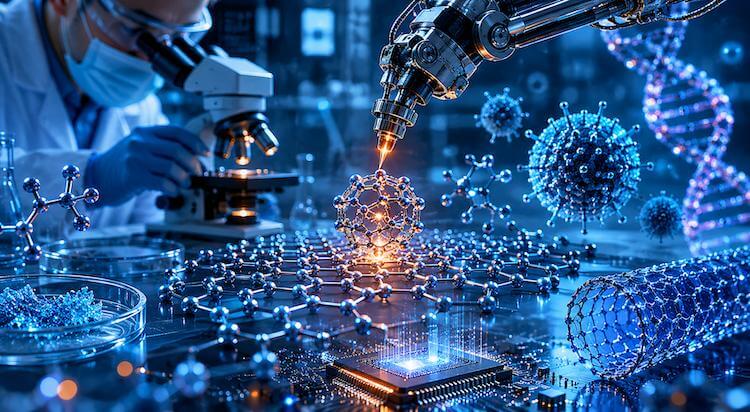
Nanotechnology is a rapidly growing field that involves working with materials on an incredibly small scale. The prefix «nano» refers to one billionth, so nanotechnology deals with structures that are on the nanometer scale, usually measuring between 1-100 nanometers.
At this tiny size, the properties of materials can change dramatically, offering exciting possibilities for innovation and advancement in various industries. Scientists and engineers working in nanotechnology aim to manipulate and control matter at the nanoscale to create new materials, devices, and systems with improved performance.
One of the key principles of nanotechnology is the idea that when particles are reduced to the nanoscale, their surface area increases significantly, which can lead to enhanced chemical, physical, and biological properties. This phenomenon allows for the development of materials that are stronger, lighter, more conductive, and have unique optical properties compared to their bulk counterparts.
- Nanoparticles
- Carbon nanotubes
- Quantum dots
These tiny building blocks hold immense potential for revolutionizing various industries, from electronics and medicine to energy and construction. While nanotechnology may sound like it belongs in the realm of science fiction, it is very much a part of our present reality, with numerous real-world applications already in use today.
As we dive deeper into the world of nanotechnology, we will explore how these minuscule particles are making a big impact in electronics, medicine, energy, the environment, textiles, food science, and construction. By harnessing the power of the nanoscale, researchers are paving the way for a future filled with exciting possibilities and innovations that could change our world for the better.
Understanding the Basics of Nanoscale Materials
Imagine a world where things are so tiny that they are a thousand times smaller than the width of a human hair. This is the world of nanoscale materials, where scientists work with materials at the molecular and atomic level. These tiny building blocks have unique properties and behaviors that can be harnessed for a wide range of applications.
At the nanoscale level, materials start to exhibit different physical and chemical properties compared to their larger counterparts. For example, some nanoparticles can change color based on their size or shape, while others can conduct electricity more efficiently. This makes nanoscale materials incredibly versatile and useful in various industries.
- Nanoparticles: These are tiny particles that are typically less than 100 nanometers in size. They can be made from a variety of materials such as metals, semiconductors, or polymers. Nanoparticles are used in electronics, medicine, and even cosmetics.
- Nanotubes: Imagine a tiny tube made up of carbon atoms arranged in a lattice-like structure. These carbon nanotubes are incredibly strong and lightweight, making them ideal for applications in construction, aerospace, and even sports equipment.
- Nanowires: These are ultra-thin wires made up of various materials like silicon or gold. Nanowires are used in electronics to improve conductivity and create faster and more efficient devices.
One of the key aspects of working with nanoscale materials is the ability to manipulate and control their properties. Scientists can engineer nanoparticles to have specific shapes or structures, allowing them to tailor their behavior for specific applications. This level of precision opens up new possibilities for creating innovative technologies and products.
While nanotechnology holds great promise for the future, it also raises important questions about safety and environmental impact. It is essential for researchers and policymakers to consider the potential risks associated with nanomaterials and develop regulations to ensure their responsible use.
By understanding the basics of nanoscale materials, we can appreciate the incredible potential they hold for revolutionizing various industries and improving our quality of life. From improving electronics to developing advanced medical treatments, nanotechnology is shaping the way we innovate and progress as a society.
Nanotechnology in Electronics: From Microprocessors to Quantum Computing
When we think of electronics, we usually picture sleek gadgets like smartphones and laptops. But have you ever wondered how these devices work on such a small scale? This is where nanotechnology comes into play. Nanotechnology involves manipulating materials at the nanoscale, which is one billionth of a meter in size. This allows for the creation of incredibly small components that can revolutionize the field of electronics.
One of the most significant applications of nanotechnology in electronics is in the development of microprocessors. These are the brains of our electronic devices, and making them smaller and more efficient has been a primary goal for the industry. Nanotechnology has enabled the creation of nanoscale transistors that are faster and more energy-efficient than traditional ones, leading to significant improvements in computing power.
- Quantum computing
But the potential of nanotechnology goes beyond just improving our current technology. It also opens up possibilities for entirely new paradigms, such as quantum computing. Quantum computers use quantum bits or qubits, which can exist in multiple states at once thanks to the principles of quantum mechanics. Nanotechnology plays a crucial role in building these qubits, allowing for unprecedented computational power and solving problems that are currently impossible for classical computers.
Overall, nanotechnology in electronics is paving the way for smaller, faster, and more powerful devices that can revolutionize how we live and work. From tiny sensors to quantum computers, the possibilities are endless when we harness the power of the nanoscale.
Nanotechnology in Medicine: Drug Delivery Systems and Therapeutics
In the field of medicine, nanotechnology has opened up exciting new possibilities in drug delivery systems and therapeutics. Traditional methods of delivering medication often come with limitations such as low efficacy or severe side effects. Nanotechnology offers a solution by allowing for targeted delivery of drugs to specific cells or tissues within the body.
One of the key benefits of using nanotechnology in drug delivery is the ability to encapsulate drugs in nanoparticles. These nanoparticles can be engineered to release the drug at a controlled rate, ensuring maximum effectiveness while reducing the risk of side effects. Additionally, nanoparticles can be designed to specifically target diseased cells, leaving healthy cells untouched.
- Nanoparticles can be used to deliver chemotherapy drugs directly to cancer cells, minimizing damage to surrounding tissue.
- In the treatment of neurological disorders, nanoparticles can cross the blood-brain barrier to deliver medications to the brain.
- For conditions like diabetes, nanoparticles can be used to deliver insulin orally instead of through injections.
Furthermore, nanotechnology plays a crucial role in the development of therapeutics such as gene editing and regenerative medicine. Nanoparticles can be used to deliver gene-editing tools like CRISPR to specific cells, offering the potential for personalized medicine. In regenerative medicine, nanoparticles can help stimulate tissue regeneration and repair.
Overall, the use of nanotechnology in medicine is revolutionizing the way we treat diseases and improve patient outcomes. By harnessing the power of nanoscale materials, scientists and researchers are paving the way for more effective and targeted therapies. As we continue to explore and refine the applications of nanotechnology in medicine, we can expect to see even more breakthroughs in the field of healthcare.
Nanotechnology in Energy: Solar Cells, Batteries, and Power Generation
One of the areas where nanotechnology is making a significant impact is in the field of energy. By utilizing nanoscale materials and structures, researchers are able to develop more efficient and cost-effective energy solutions.
- Solar Cells: Nanotechnology has revolutionized the production of solar cells, making them more affordable and efficient. Nanomaterials such as quantum dots and carbon nanotubes help to capture sunlight and convert it into electricity with higher efficiency than traditional materials.
- Batteries: Nanotechnology is also improving the performance of batteries by using nanomaterials to increase their energy storage capacity and lifespan. Nanostructured electrodes and electrolytes allow for faster charging times and longer usage periods, making them ideal for electric vehicles and portable electronics.
- Power Generation: Nanotechnology is playing a crucial role in power generation technologies such as fuel cells and thermoelectric generators. By incorporating nanomaterials and nanostructures, these devices can produce energy from various sources like hydrogen, waste heat, and even body heat, paving the way for sustainable and innovative energy solutions.
Overall, nanotechnology is driving advancements in energy technology by enhancing the efficiency, reliability, and sustainability of energy production and storage systems. With further research and development, nanotechnology holds the potential to revolutionize the energy sector and address the growing demand for clean and renewable energy sources.
Nanotechnology in Environmental Applications: Water Purification and Air Filtration
When it comes to protecting the environment, nanotechnology plays a crucial role in providing sustainable solutions for water purification and air filtration. By harnessing the power of nanoscale materials, scientists and engineers are able to develop cutting-edge technologies that can efficiently remove pollutants and contaminants from our water and air.
- Water Purification: Nanotechnology has revolutionized the field of water treatment by introducing innovative nanomaterials that can effectively filter out harmful substances such as heavy metals, bacteria, and viruses. Nanoparticles with specific properties are able to target and neutralize contaminants, providing a more efficient and eco-friendly alternative to traditional methods of water purification.
- Air Filtration: Nanotechnology is also making significant advancements in air filtration technology, creating filters that can capture ultrafine particles and pollutants from the air we breathe. Nanofilters can trap harmful gases, allergens, and pollutants, improving air quality and reducing health risks associated with poor indoor and outdoor air quality.
By utilizing nanotechnology in environmental applications, we are able to address critical issues related to water and air quality, ensuring a healthier and cleaner environment for generations to come. With continued research and development in this field, we can expect to see even more breakthroughs in sustainable environmental technologies that help mitigate the impact of pollution on our planet.
Nanotechnology in Textiles and Fabrics: Smart Clothing and Wearable Tech
One exciting area where nanotechnology is making waves is in the field of textiles and fabrics. By incorporating nanoscale materials into clothing and wearables, designers are able to create smart fabrics that have a range of incredible capabilities.
These smart textiles can do everything from regulating body temperature, monitoring heart rate and other vital signs, to even generating electricity from movement. This opens up a whole new world of possibilities for the future of wearables and fashion.
- Regulating Body Temperature: Nano-coatings on fabrics can help maintain a steady body temperature by absorbing or reflecting heat as needed. This is particularly useful in activewear and outdoor clothing.
- Monitoring Vital Signs: Nanosensors embedded in fabrics can track heart rate, blood pressure, and other health metrics in real-time. This could revolutionize healthcare and fitness tracking.
- Generating Electricity: Some fabrics are being developed to harness energy from movements, such as walking or stretching. This sustainable energy source could power small devices or charge smartphones.
These advancements in nanotechnology are not only enhancing the functionality of clothing but also the way we interact with technology on a daily basis. Imagine a world where your shirt can charge your phone or your socks can track your steps!
From smart sports gear that helps athletes perform better to stylish clothing that adapts to different climates, the potential for nanotechnology in textiles is vast. As researchers continue to innovate in this space, we can expect to see even more groundbreaking developments in the future.
Nanotechnology in Food Science: Packaging, Preservation, and Novel Ingredients
When we think about nanotechnology, food might not be the first thing that comes to mind. But did you know that nanotechnology is revolutionizing the way we package, preserve, and even create ingredients for our food?
Imagine having a food package that can detect when your leftovers have gone bad or a coating on fruits that helps them stay fresh longer. Nanotechnology makes all of this possible by creating packaging materials that are stronger, lighter, and more resistant to moisture and gases that can spoil our food.
- Nano-sized particles can be used to create antimicrobial coatings that prevent bacteria growth on food surfaces.
- Nanoparticles can also be incorporated into packaging materials to create barriers that protect against oxygen and moisture, extending the shelf life of perishable foods.
- Novel nano-ingredients such as nano-emulsions and nano-dispersions can improve the taste, texture, and nutritional value of food products.
Additionally, nanotechnology is also being used to develop sensors that can detect harmful pathogens in food, ensuring that products are safe for consumption. This is particularly important in detecting contaminants like E. coli or Salmonella that can cause foodborne illnesses.
With nanotechnology, food scientists are able to come up with innovative solutions to food safety and preservation challenges. Not only does this technology help reduce food waste by prolonging the shelf life of products, but it also opens up possibilities for new and improved food products that can benefit our health and well-being.
So the next time you reach for a snack or meal, remember that nanotechnology might just be playing a crucial role in keeping your food fresh, safe, and delicious!
Nanotechnology in Construction: Stronger Materials and Sustainable Building Practices
When we think of nanotechnology, we often picture futuristic inventions or high-tech gadgets. But did you know that nanotechnology is also making waves in the construction industry? Nanotechnology is being used to create stronger materials and implement sustainable building practices that can revolutionize the way we build our structures.
- Nanoparticles, which are tiny materials at the nanoscale, are being incorporated into construction materials like concrete, steel, and glass to improve their strength and durability. By manipulating the structure of these materials at the molecular level, engineers are able to create buildings that can withstand greater forces and last longer.
- One of the key benefits of using nanotechnology in construction is the ability to reduce the amount of material needed for a project while maintaining or even enhancing its properties. This not only saves resources but also reduces the environmental impact of the construction process.
- In addition to stronger materials, nanotechnology is also helping to introduce sustainable practices in construction. For example, nanocoatings can be applied to buildings to make them self-cleaning, reducing the need for harsh cleaning chemicals and saving water in the process.
But it’s not just about materials and coatings. Nanotechnology is also being used to develop energy-efficient building systems that can lower energy consumption and reduce greenhouse gas emissions. From smart windows that can adjust transparency to control sunlight exposure to self-healing materials that can repair cracks on their own, the possibilities are endless.
These advancements in nanotechnology are not only changing the way we build our structures but also reshaping the entire construction industry. In the future, we may see buildings that are not only stronger and more efficient but also environmentally friendly and sustainable.
Ethical Considerations and Future Outlook of Nanotechnology
As we delve deeper into the world of nanotechnology, it is crucial to consider the ethical implications that come along with this groundbreaking technology. One of the main concerns revolves around the potential misuse of nanomaterials, especially in the field of medicine. Researchers must ensure that these materials are safe for human use and do not cause any unintended harm.
Another ethical consideration is the environmental impact of nanotechnology. While nanomaterials hold great promise for environmental applications such as water purification and air filtration, there is a need to carefully assess their long-term effects on ecosystems. It is important to strike a balance between reaping the benefits of nanotechnology and protecting our planet.
Looking towards the future, nanotechnology has the potential to revolutionize various industries and improve our quality of life. Researchers are exploring new ways to harness the power of nanoscale materials in areas such as electronics, medicine, energy, and construction. The possibilities seem endless.
- Nanomedicine: Nanotechnology is paving the way for targeted drug delivery systems, personalized medicine, and innovative therapeutics that could potentially cure diseases that were once considered untreatable.
- Nanoenergy: The development of nanomaterials in solar cells, batteries, and power generation could lead to more efficient energy sources that are sustainable and environmentally friendly.
- Nanotextiles: Imagine fabrics that can sense your body temperature, change color, or even generate electricity. Nanotechnology is making wearable technology a reality.
However, with great advancements come great challenges. It is important to address the risks associated with nanotechnology, such as unforeseen toxic effects of nanoparticles and potential environmental contamination. Researchers must work diligently to ensure the safety and efficacy of nanomaterials as they continue to push the boundaries of innovation.
In conclusion, the ethical considerations surrounding nanotechnology are of utmost importance as we navigate the exciting opportunities it presents. By approaching this technology with mindfulness and responsibility, we can harness its potential to create a brighter and more sustainable future for all.
Challenges and Risks Associated with Nanotechnology
While nanotechnology offers a wide range of potential benefits, it also comes with its fair share of challenges and risks that need to be considered.
- Health and Safety Concerns: One of the major concerns surrounding nanotechnology is the potential health risks associated with exposure to nanoparticles. It is essential to ensure that proper safety measures are in place to protect individuals working with or exposed to nanomaterials.
- Environmental Impact: The disposal of nanoproducts and nanoparticles can pose environmental risks if they are not properly managed. It is crucial to develop environmentally friendly methods for the production and disposal of nanomaterials.
- Regulatory Issues: As nanotechnology continues to advance rapidly, there are challenges in regulating the use of nanomaterials across various industries. It is important to establish clear guidelines and standards to ensure the safe and responsible use of nanotechnology.
- Ethical Considerations: The ethical implications of nanotechnology, such as privacy concerns with the use of nanosensors in surveillance, raise important questions that need to be addressed. It is essential to consider the potential impact of nanotechnology on society as a whole.
Despite these challenges and risks, ongoing research and collaboration within the scientific community can help mitigate these concerns and ensure the responsible development of nanotechnology. By addressing these issues proactively, we can continue to harness the potential of nanotechnology for the benefit of society.
Conclusion: Recap of Real-World Applications of Nanotechnology Today
Well, we’ve covered a lot about nanotechnology and its real-world applications today. From electronics to medicine, energy, environmental applications, textiles, food science, and even construction, nanotechnology is making waves in various industries.
In the field of electronics, nanotechnology has enabled the development of smaller, faster, and more efficient devices such as microprocessors and quantum computers. These advancements have revolutionized how we communicate, work, and interact with technology on a daily basis.
When it comes to medicine, nanotechnology has paved the way for targeted drug delivery systems and innovative therapeutics. This means more effective treatments with fewer side effects, offering hope for patients with complex medical conditions.
In the energy sector, nanotechnology has improved the performance of solar cells, batteries, and power generation systems. By harnessing the unique properties of nanomaterials, we can now produce renewable energy more efficiently and sustainably.
Furthermore, nanotechnology has also made significant strides in environmental applications, from water purification to air filtration. Nanomaterials have the potential to address some of the most pressing environmental challenges we face today, ensuring cleaner water and air for future generations.
Let’s not forget about textiles and fabrics, where nanotechnology has led to the development of smart clothing and wearable tech. These innovative materials can monitor our health, regulate body temperature, and even communicate with other devices seamlessly.
In the realm of food science, nanotechnology is enhancing packaging, preservation methods, and introducing novel ingredients that improve shelf life and food safety. This means fresher, healthier food options for consumers around the world.
Lastly, in construction, nanotechnology is contributing to the creation of stronger, more durable materials and sustainable building practices. By incorporating nanomaterials into construction projects, we can build structures that are not only resilient but also eco-friendly.
As we look towards the future, it’s crucial to consider the ethical implications and potential risks associated with nanotechnology. By addressing these concerns proactively, we can continue to reap the benefits of this groundbreaking technology while minimizing any negative impact on society and the environment.
Overall, nanotechnology is shaping the world we live in today and holds immense potential for the future. Its wide-ranging applications touch every aspect of our lives, from the devices we use to the food we eat and the buildings we inhabit. The possibilities are truly endless with nanotechnology.

 Subscribe to the newsletter








Сообщить об опечатке
Текст, который будет отправлен нашим редакторам: