

Introduction
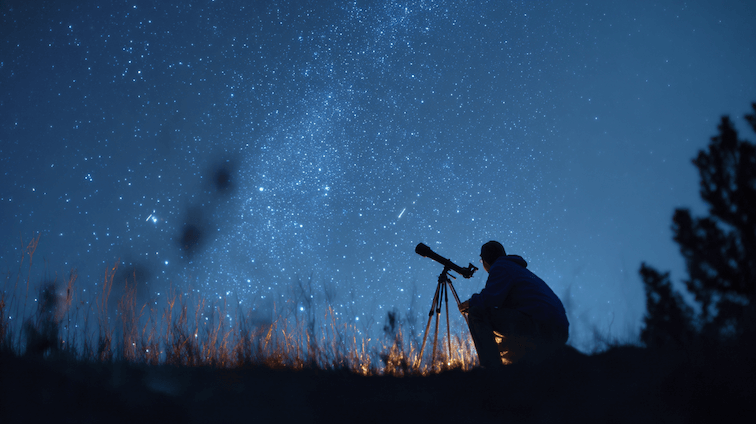
January has long been one of the most important months for astronomical observation. According to NASA’s latest skywatching guidance, this period offers a rare combination of long nights, reduced atmospheric interference, and optimal planetary positioning. Together, these conditions make January not just visually impressive, but scientifically meaningful.
Rather than simply listing celestial objects, this guide explains why January’s night sky matters, what can be observed without professional equipment, and how these events connect to modern astronomical research.
Why January Provides Exceptional Conditions for Sky Observation
Astronomical visibility depends on more than darkness alone. In January, several natural factors align:
— Extended nighttime hours
— Colder air improving atmospheric stability
— Seasonal constellations reaching peak visibility
— Favorable planetary positions
These conditions allow clearer observation and more reliable interpretation of celestial phenomena.
Planetary Events Highlighted in NASA’s January Guide
Jupiter: A Living Laboratory of Planetary Physics
Jupiter is one of the brightest objects in January’s night sky and remains visible even in urban areas. Beyond its visual appeal, Jupiter plays a key role in planetary science.
Its atmosphere, magnetic field, and moons help scientists refine models of gas giant behavior and solar system formation. Amateur observations often align closely with data from space missions, reinforcing the value of ground-based skywatching.
Venus and Saturn: Understanding Orbital Cycles
Venus appears exceptionally bright due to its reflective atmosphere, while Saturn provides insight into long-term orbital dynamics. Their relative positions in January illustrate conjunctions, planetary inclination, and solar system geometry in a way that is both observable and educational.
The Moon’s Role in January Skywatching
Lunar Phases and Observational Strategy
The Moon plays a central role in January observations:
— New Moon periods favor deep-sky exploration
— Waxing and waning phases highlight surface contrast
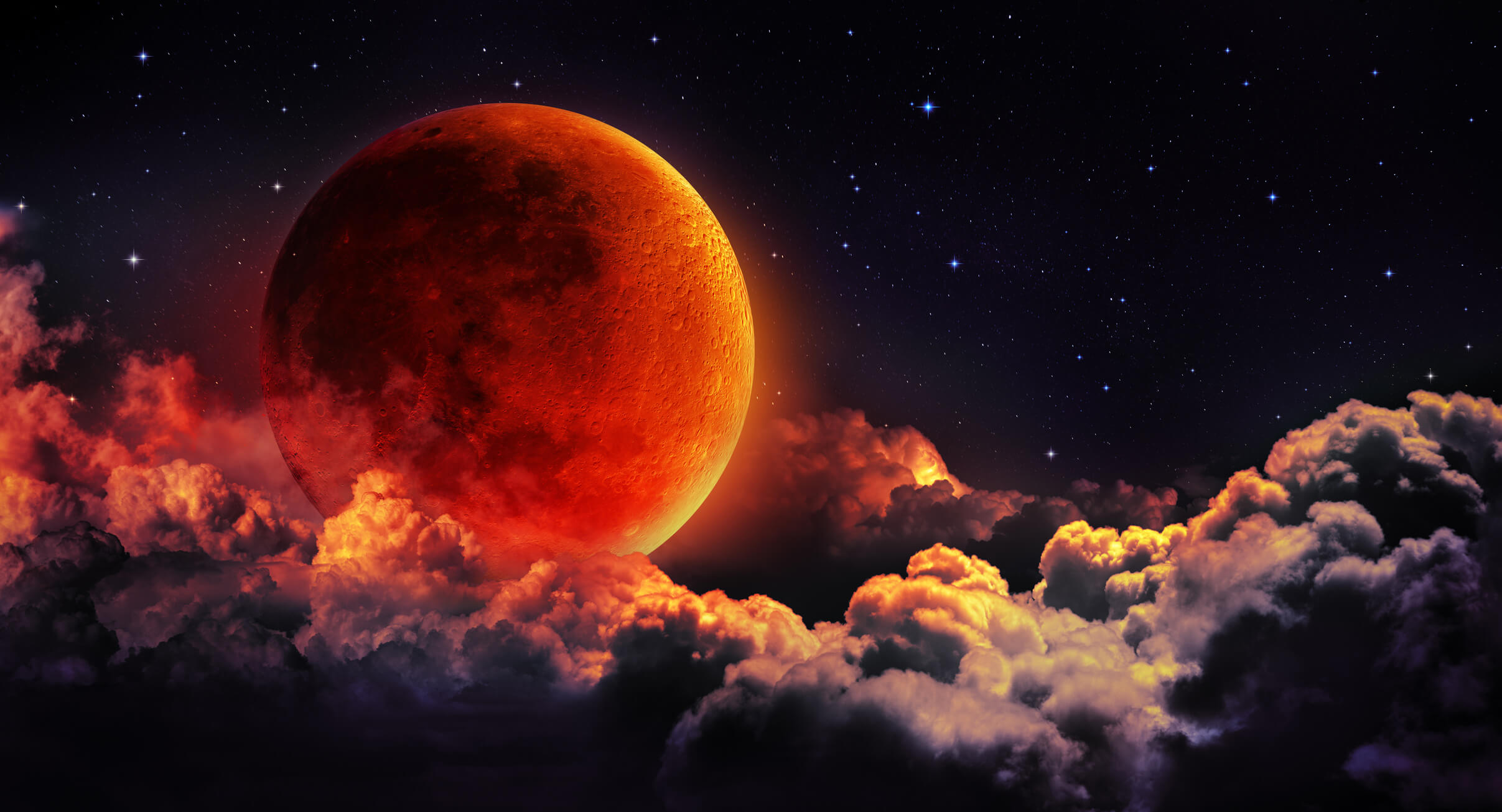
— Full Moon enables detailed crater analysis
NASA highlights lunar observation as a foundation for understanding planetary geology across the solar system.
Winter Constellations and Deep-Sky Objects
Orion and Stellar Formation Regions
Orion dominates January’s night sky and contains the Orion Nebula — a stellar nursery where stars are actively forming. This region provides insight into molecular clouds, protostar development, and the origins of solar systems.
Taurus, Gemini, and the Structure of the Milky Way
Constellations like Taurus and Gemini reveal star clusters that trace the structure of our galaxy. Objects such as the Pleiades demonstrate gravitational stability over immense timescales, offering clues about stellar evolution.
How Amateur Observations Support Modern Astronomy
NASA increasingly emphasizes public participation in astronomy. Citizen science initiatives, distributed observation networks, and open data platforms allow amateur astronomers to contribute meaningfully to ongoing research.
January provides an ideal opportunity to engage with these programs.
What January’s Night Sky Reveals About the Future of Space Science
The celestial events visible this month align with broader research into exoplanets, planetary climates, and long-duration space exploration. Each observation helps validate models used in future missions.
Conclusion
January’s night sky is more than a seasonal display. It is a real-time demonstration of planetary motion, stellar evolution, and cosmic structure. NASA’s skywatching guide transforms observation into understanding, offering both inspiration and scientific value.

 Subscribe to the newsletter



Сообщить об опечатке
Текст, который будет отправлен нашим редакторам: