

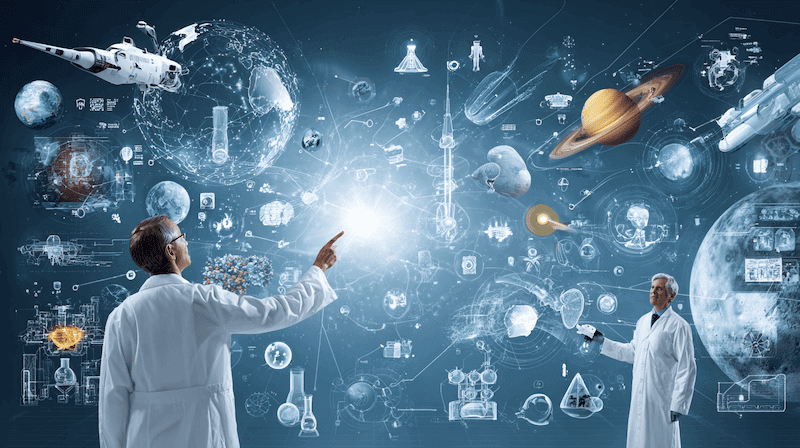
Welcome to the exciting world of science and technology forecasting! In today’s fast-paced world, where innovation is constantly driving change, predicting future trends in these fields has become more important than ever. By looking ahead to 2026, we can get a sneak peek into the amazing developments that await us in the near future.
Forecasting in science and technology involves using data, research, and expert analysis to predict what technological advancements and discoveries may come to light in the coming years. It helps us anticipate the latest breakthroughs in sectors such as artificial intelligence, biotechnology, renewable energy, and telecommunications.
Imagine knowing what groundbreaking technologies will shape our lives in just a few years! By exploring the realm of science and technology forecasting, we can stay ahead of the curve and be prepared for the fascinating innovations that await us on the horizon.
- Stay tuned as we dive into how forecasting can unlock the potential of tomorrow’s world.
- Get ready to discover the importance of keeping an eye on future trends in science and technology.
- Join us on a journey to explore the key factors that play a crucial role in shaping the forecasts for 2026.
Overview of the Importance of Predicting Future Trends in Science and Technology
As we look ahead to the year 2026, the world of science and technology is evolving at a rapid pace. Predicting future trends in these fields has become increasingly important as it allows us to prepare for the advancements and challenges that lie ahead.
Forecasting developments in science and technology helps us anticipate breakthroughs in various industries, from healthcare to renewable energy, and beyond. By staying informed about upcoming trends, we can adapt our strategies and focus our efforts on areas that show the most promise for innovation and growth.
- Emerging Technologies: Predicting future trends allows us to identify emerging technologies such as artificial intelligence, biotechnology, and quantum computing. Understanding how these technologies will shape our world in the coming years enables businesses, governments, and individuals to plan accordingly.
- Economic Opportunities: Forecasts in science and technology help us recognize economic opportunities that may arise from new innovations. By investing in areas with high potential for growth, we can create new jobs, stimulate economic development, and drive overall prosperity.
- Social Impact: Anticipating future trends in science and technology also gives us insight into their social impact. For example, advancements in healthcare technology may improve quality of life, while developments in cybersecurity could protect our personal information from threats.
In addition, predicting future trends allows us to address challenges before they become crises. By understanding potential risks and opportunities in advance, we can proactively develop solutions that benefit society as a whole.
Ultimately, forecasting future trends in science and technology empowers us to shape the future in a positive and meaningful way. By looking ahead to 2026 and beyond, we can harness the power of innovation to drive progress and create a better world for all.
Key Factors Influencing Science and Technology Forecasts for 2026
As we look ahead to the year 2026, there are several key factors that are shaping the landscape of science and technology forecasts. These factors play a crucial role in determining the direction of progress and innovation in various fields. Understanding these influences can help us anticipate what the future holds in terms of technological advancements and breakthroughs.
- Research and Development: Investment in research and development (R&D) continues to be a major driver of scientific and technological progress. The focus on funding and supporting R&D initiatives will heavily influence the pace of innovation in various sectors.
- Economic and Market Trends: Economic conditions and market trends can also have a significant impact on science and technology forecasts. Factors such as consumer demand, competitive pressures, and global economic developments can influence the direction of technological advancements.
- Regulatory Environment: Regulations and policies set by governments and regulatory bodies can shape the framework within which technological advancements can occur. Changes in regulations can either facilitate or hinder the development of new technologies.
- Social and Cultural Factors: Societal attitudes, cultural norms, and ethical considerations can impact the acceptance and adoption of new technologies. Understanding these factors is essential in predicting how society will respond to emerging technologies.
- Environmental Concerns: With a growing emphasis on sustainability and environmental conservation, forecasts for science and technology must take into account the need for eco-friendly solutions. Advancements in renewable energy and sustainable technology are a key focus for future development.
- Collaboration and Partnerships: In an increasingly interconnected world, collaboration between different stakeholders – including government organizations, academic institutions, industry partners, and non-profit organizations – plays a vital role in driving innovation and sharing resources.
The intersection of these key factors creates a complex and dynamic environment for science and technology forecasts. By analyzing and understanding these influences, we can better anticipate the trends and advancements that will shape the world of science and technology in 2026.
Trends in Artificial Intelligence and Machine Learning for 2026
Artificial intelligence (AI) and machine learning are advancing at a rapid pace, shaping the world around us in 2026. These technologies have the potential to revolutionize industries, improve efficiency, and enhance our daily lives.
- Personalized Experiences: AI algorithms will continue to analyze vast amounts of data to provide personalized recommendations and experiences. From shopping suggestions to entertainment preferences, AI will tailor content to individual users.
- Autonomous Vehicles: The development of self-driving cars is expected to accelerate in 2026. AI-powered systems will enhance transportation safety, efficiency, and convenience, paving the way for autonomous vehicles on our roads.
- Healthcare Innovations: Machine learning algorithms will play a significant role in diagnosing diseases, developing treatment plans, and managing patient care. AI-driven technologies will streamline healthcare processes and improve patient outcomes.
- Robotics Integration: Robotics combined with AI capabilities will lead to the expansion of automation in various industries. From customer service robots to manufacturing processes, AI-powered robots will augment human tasks and increase productivity.
- Ethical AI: As AI becomes more integrated into society, ethical considerations surrounding its use will become increasingly important. Discussions on data privacy, algorithm bias, and accountability will shape the future of AI development.
Artificial intelligence and machine learning hold immense potential for positive transformation in 2026. With advancements in neural networks, deep learning, and natural language processing, these technologies will continue to push boundaries and make remarkable strides in innovation.
Breakthroughs in Biotechnology and Healthcare Technology Expected in 2026
As we look ahead to 2026, the field of biotechnology and healthcare technology is poised for some exciting breakthroughs that will revolutionize the way we approach medical treatment and healthcare. These advancements have the potential to significantly improve the lives of people around the world.
- Personalized Medicine: One of the key areas of focus in biotechnology is personalized medicine, which involves tailoring medical treatment to an individual’s genetic makeup. This could lead to more effective treatments with fewer side effects, as well as improved outcomes for patients with conditions such as cancer and other genetic disorders.
- Gene Editing: CRISPR technology has made significant strides in recent years, and it is expected to continue to advance in 2026. This technology holds the promise of correcting genetic mutations that cause diseases, potentially leading to cures for conditions that were once thought untreatable.
- Regenerative Medicine: Advances in regenerative medicine are likely to play a major role in 2026, with the development of new techniques for growing tissues and organs in the laboratory. This could lead to revolutionary treatments for conditions such as organ failure and spinal cord injuries.
- Digital Health: The integration of technology into healthcare, known as digital health, is expected to grow in 2026. This includes the use of wearable devices, telemedicine, and health apps to monitor and improve patient care. These innovations have the potential to increase access to healthcare and improve patient outcomes.
Overall, the future of biotechnology and healthcare technology looks bright for 2026. With continued advancements in personalized medicine, gene editing, regenerative medicine, and digital health, we can expect to see significant improvements in patient care and outcomes. These breakthroughs have the potential to transform the healthcare industry and improve the quality of life for millions of people worldwide.
Predictions for the Internet of Things (IoT) and Smart Devices in 2026
It’s incredible to think about how interconnected our world has become with the rise of the Internet of Things (IoT) and smart devices. In 2026, we can expect an even greater integration of these technologies into our daily lives.
- Smart Homes: Imagine a home that knows your routines and preferences and adjusts accordingly. By 2026, smart homes will become even smarter, with increased automation and efficiency in managing energy consumption, security, and comfort.
- Connected Cities: The concept of smart cities will continue to evolve, as more devices and infrastructure are connected to improve efficiency and quality of life for residents. Expect to see advancements in traffic management, waste disposal, and public services through IoT technologies.
- Health and Wellness: Wearable devices that track our health metrics will become more advanced and personalized. From monitoring vital signs to predicting potential health issues, our smart devices will play a crucial role in helping us lead healthier lives.
- Workplace Integration: Smart offices will become the norm, with interconnected devices enabling seamless communication and collaboration among employees. From virtual meetings to smart scheduling, IoT technologies will transform the way we work.
In 2026, we’ll witness a convergence of IoT and artificial intelligence, leading to more intelligent and adaptive systems that can anticipate our needs and provide personalized experiences. This heightened level of connectivity will undoubtedly revolutionize how we live, work, and interact with the world around us.
However, with these advancements come challenges such as data privacy and security concerns. As our devices become more interconnected, it will be important to ensure that sensitive information is properly safeguarded against potential breaches.
Overall, the future of IoT and smart devices in 2026 holds exciting possibilities for enhancing our daily lives and creating more efficient and sustainable environments. Get ready to witness the next wave of innovation that will continue to shape the way we interact with technology and each other.
Advancements in Renewable Energy and Sustainable Technology for 2026
As we look towards the future of 2026, one of the key areas of focus in science and technology forecasts is the continued advancements in renewable energy and sustainable technology. With the urgent need to address climate change and reduce our dependence on fossil fuels, researchers and innovators are working tirelessly to develop new and improved ways to harness clean energy sources.
- Solar Power: Solar energy continues to be a leading player in the renewable energy sector, with advancements in photovoltaic technology making solar panels more efficient and affordable. By 2026, we can expect to see even greater adoption of solar power both in residential and commercial settings.
- Wind Energy: The wind energy industry is also projected to grow significantly by 2026, with larger and more efficient wind turbines being developed. Offshore wind farms are becoming increasingly popular, providing clean energy while minimizing visual impact on land.
- Battery Technology: Improvements in battery technology are crucial for storing renewable energy for use during periods of low sunlight or wind. In 2026, we can expect to see advancements in battery storage capacity and efficiency, making renewable energy sources more reliable and practical.
Additionally, sustainable technology solutions are being developed to reduce waste and minimize environmental impact across various industries. From sustainable building materials to eco-friendly packaging, businesses are incorporating green practices into their operations.
The push towards a more sustainable future extends beyond environmental benefits, as it also presents economic opportunities. By investing in renewable energy and sustainable technology, countries can create jobs, reduce energy costs, and promote innovation.
It is essential that policymakers, businesses, and individuals work together to support the continued development and implementation of renewable energy and sustainable technology solutions. By embracing these advancements, we can move towards a greener and more sustainable future for generations to come.
Forecasts for Space Exploration and Commercialization in 2026
Space exploration and commercialization are set to make big strides in 2026, with exciting developments on the horizon. Companies like SpaceX, Blue Origin, and Virgin Galactic are leading the charge in making space travel more accessible to the public. Private companies are expected to continue pushing the boundaries of space exploration, opening up opportunities for tourism, research, and even mining resources from celestial bodies.
In addition to private companies, government space agencies like NASA and ESA are planning ambitious missions to explore Mars, return to the Moon, and even venture further into the solar system. These missions will not only expand our knowledge of the universe but also pave the way for future human colonization of other planets.
- Space Tourism: Commercial space travel for civilians is expected to become a reality in 2026, offering regular citizens the chance to experience the wonders of space first-hand. Companies like SpaceX are working towards launching manned missions to the International Space Station and beyond, opening up new opportunities for tourists and researchers alike.
- Scientific Discoveries: Space exploration missions in 2026 are likely to uncover new insights into the origins of the universe, the composition of distant planets, and the potential for life beyond Earth. These discoveries have the potential to revolutionize our understanding of the cosmos and inspire future generations of scientists and explorers.
- Resource Extraction: With advances in technology, it may become feasible to mine resources from asteroids, the Moon, and other celestial bodies. This could usher in a new era of space commercialization, where companies harvest valuable minerals and metals to bring back to Earth or use in space-based industries.
Overall, the forecasts for space exploration and commercialization in 2026 point towards a future where space is no longer limited to governments and elite astronauts. The democratization of space travel, coupled with ambitious new missions and scientific breakthroughs, promises to shape our understanding of the universe and open up new opportunities for exploration and economic growth.
Challenges and Opportunities in Cybersecurity for 2026
In the rapidly evolving digital landscape, cybersecurity has become a critical aspect of our lives. As we look ahead to 2026, there are both challenges and opportunities that lie ahead in the realm of cybersecurity.
- Rise in Cyber Threats: With the increasing connectivity of devices and systems, the potential for cyber attacks also grows. In 2026, we can expect to see a rise in sophisticated cyber threats targeting individuals, organizations, and even governments.
- Protection of Personal Data: As more personal data is being collected and stored online, the challenge of protecting this sensitive information from data breaches and identity theft becomes more complex. Finding innovative solutions to safeguarding personal information will be a key focus in cybersecurity for 2026.
- Advancements in Cyber Defense: On the flip side, advancements in technology also present opportunities for strengthening cyber defense mechanisms. Artificial intelligence and machine learning can be leveraged to enhance threat detection and response capabilities, making it easier to detect and mitigate cyber attacks.
- Global Collaboration: Cybersecurity is a global issue that requires collaboration between governments, organizations, and individuals. In 2026, we can expect to see increased collaboration and information sharing to combat cyber threats on a larger scale.
Overall, the year 2026 presents both challenges and opportunities in the field of cybersecurity. By staying informed about the latest trends and developments in cybersecurity, we can better prepare ourselves to navigate the digital landscape safely and securely.
Emerging Trends in 5G Technology and Telecommunications for 2026
As we look towards 2026, the world of telecommunications is buzzing with excitement over the potential of 5G technology. 5G, the fifth generation of wireless technology, promises faster data speeds, lower latency, and the ability to connect more devices simultaneously than ever before.
One of the key trends expected in 2026 is the widespread adoption of 5G networks across the globe. This will enable a host of new applications and services that were previously not possible with 4G technology. Industries such as healthcare, transportation, and manufacturing stand to benefit greatly from the increased speed and reliability of 5G networks.
- Increased bandwidth: With 5G, users can expect to experience download speeds that are up to 100 times faster than current 4G networks. This means smoother streaming, faster downloads, and better overall connectivity.
- Low latency: The reduced latency of 5G technology will enable real-time applications such as autonomous vehicles, remote surgery, and augmented reality to become a reality.
- IoT connectivity: 5G networks will provide the backbone for the expansion of the Internet of Things (IoT), allowing billions of devices to communicate seamlessly with each other in real-time.
- Ultra-reliable connections: 5G technology is expected to be more reliable than previous generations, making it ideal for mission-critical applications such as industrial automation and remote monitoring.
Telecommunications companies are already investing heavily in rolling out 5G networks, with infrastructure upgrades and new spectrum allocations being made to support the increased demand for data. Consumers can look forward to enhanced mobile experiences, while businesses will have access to a wider range of opportunities for innovation and growth.
In conclusion, the future of telecommunications in 2026 looks bright with the advent of 5G technology. With its promise of improved speed, reliability, and connectivity, 5G is set to revolutionize the way we work, play, and communicate in the years to come.
Implications of Quantum Computing Developments for 2026
Quantum computing is a cutting-edge technology that harnesses the principles of quantum mechanics to perform complex calculations at speeds unimaginable with classical computers. In 2026, the advancements in quantum computing are set to revolutionize various industries and pave the way for groundbreaking discoveries.
- Enhanced computational power: Quantum computers have the potential to solve problems that are currently unsolvable with traditional computers. This will lead to breakthroughs in areas such as drug discovery, climate modeling, and advanced cryptography.
- Data security: Quantum encryption can provide a higher level of cybersecurity by ensuring that data transmissions are virtually immune to hacking. This will be crucial in safeguarding sensitive information in an increasingly digital world.
- Mechanical simulations: Quantum computing can simulate and optimize complex systems with unprecedented accuracy, leading to advancements in material science, engineering, and even weather forecasting.
While the benefits of quantum computing are substantial, there are also challenges that need to be addressed. One of the main obstacles is the fragility of quantum states, which makes errors more likely to occur. Researchers are actively working on error correction techniques to mitigate this risk and improve the reliability of quantum computers.
In addition, the widespread adoption of quantum computing will require significant investment in infrastructure and workforce training. Companies and governments alike will need to allocate resources to develop and integrate these powerful machines into their operations.
- Business implications: Enterprises that leverage quantum computing early on will gain a competitive edge by optimizing processes, increasing productivity, and driving innovation. Industries such as finance, healthcare, and manufacturing stand to benefit the most from these developments.
Overall, the continued progress in quantum computing holds great promise for society as a whole. By unlocking new possibilities in research, industry, and daily life, quantum technology has the potential to reshape our world in ways we can only begin to imagine.
Conclusion: The potential impact of science and technology forecasts on society in 2026
As we look ahead to 2026, the world of science and technology is poised for some groundbreaking advancements that are sure to revolutionize our daily lives. From artificial intelligence and biotechnology to renewable energy and space exploration, the forecasts for the upcoming year are filled with promise and potential.
One of the most exciting aspects of these forecasts is the potential impact they will have on society as a whole. Technology has always played a crucial role in shaping the way we live, work, and interact with the world around us. With the rapid pace of innovation in recent years, the possibilities for positive change seem endless.
- Improved Healthcare: Breakthroughs in biotechnology and healthcare technology are expected to lead to significant improvements in patient care and outcomes. From personalized medicine to novel treatments for diseases, the future of healthcare looks brighter than ever.
- Sustainable Living: With advancements in renewable energy and sustainable technology, we have the potential to reduce our carbon footprint and create a more environmentally friendly world. This shift towards sustainability is essential for preserving our planet for future generations.
- Enhanced Connectivity: The internet of things (IoT) and smart devices are set to revolutionize the way we communicate and interact with each other. From smart homes to connected vehicles, technology will continue to bring us closer together and make our lives more efficient.
However, along with these exciting opportunities come new challenges. Cybersecurity threats are on the rise, and protecting our digital information has never been more critical. As we delve into the realms of quantum computing and 5G technology, ensuring the security of our data will be paramount.
In conclusion, the potential impact of science and technology forecasts on society in 2026 is vast and varied. By embracing these advancements and addressing the challenges they bring, we have the opportunity to create a future that is both innovative and sustainable. It is up to us to harness the power of science and technology for the greater good, shaping a society that is both prosperous and resilient.

 Subscribe to the newsletter





Сообщить об опечатке
Текст, который будет отправлен нашим редакторам: