


Science and technology never stand still – these two fields are designed to make our lives more comfortable and safer. Great breakthroughs in medicine don’t happen every year, but we can be sure that scientists and technologists are constantly striving to make the world a better place and easier for some with their inventions.
We present you with 12 medical inventions of 2017 that rightfully deserve your attention.
AeroForm Breast Reconstruction System
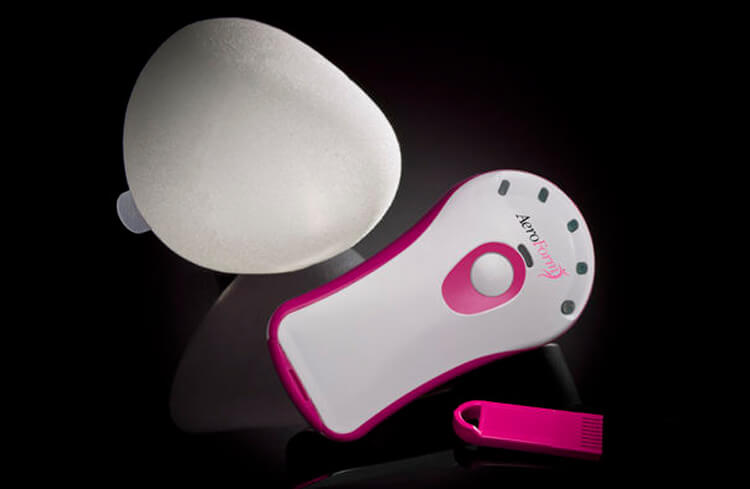
This invention will be indispensable for women who have survived breast cancer. The saline expanders used today are implanted in the place of the removed breast and then inflated with regular injections of saline solution.
This requires frequent doctor visits and is accompanied by pain, which lasts for several months.
The AeroForm implant contains a CO2 capsule, activated by a remote control, which releases the gas into the main chamber of the device. This allows for volume expansion whenever the patient is ready, whether at home or work, and the pressure can be controlled without causing excessive pain.
CRISPR or «corrected» embryos
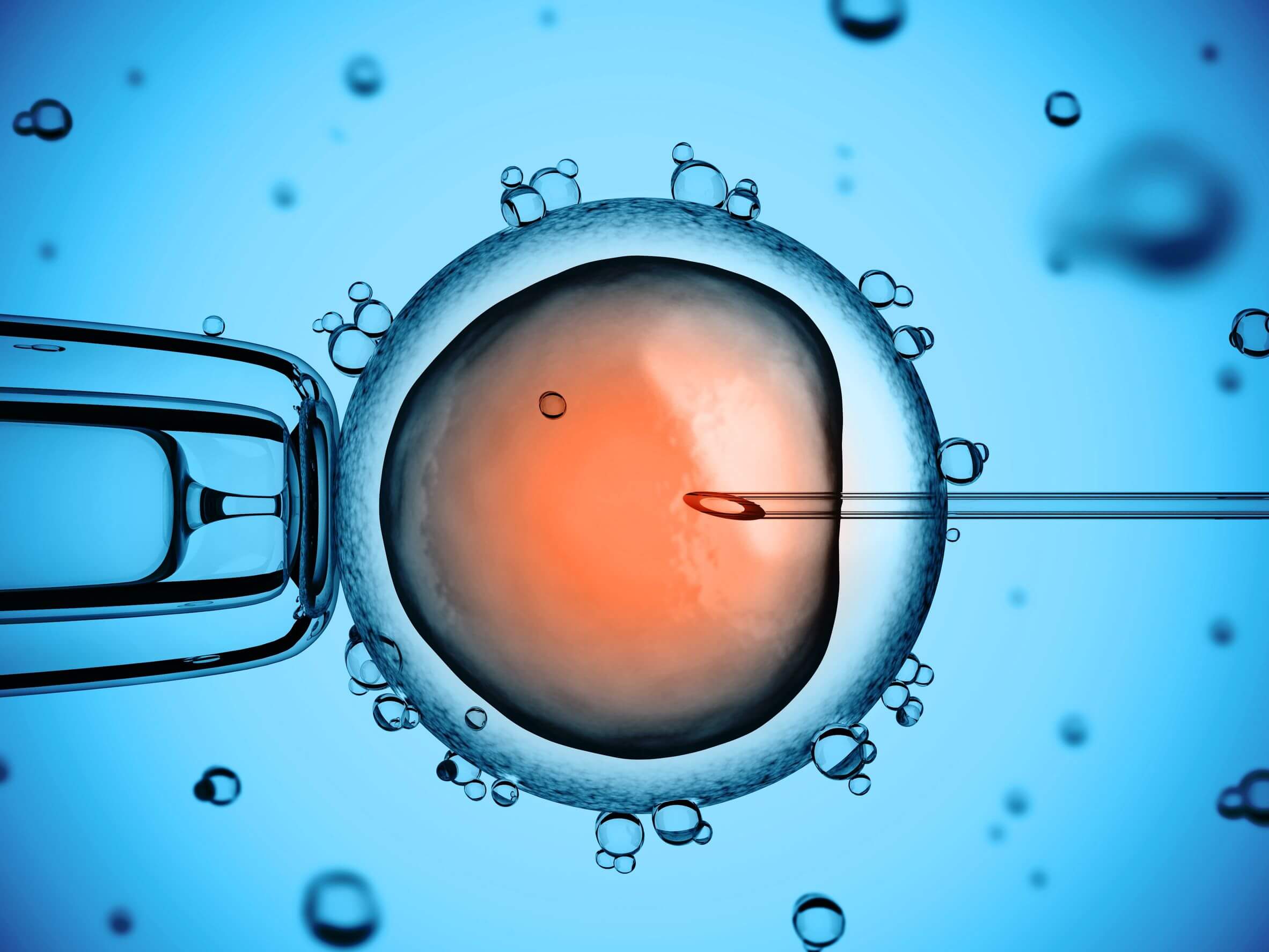
CRISPR is a DNA editing tool. A team of scientists led by Shoukhrat Mitalipov from Oregon Health & Science University announced the successful editing of the genome of a human embryo.
The goal of their experiment was to correct a genetic disorder (a mutation that causes hypertrophic cardiomyopathy, a type of heart disease).
Although none of the embryos were allowed to develop for more than a few days, the experiment sparked a heated ethical debate, both within the scientific community and among religious organizations.
Willow Breast Pump
Breast milk is the healthiest food for newborns, but busy mothers often don’t have the time to sit and express milk with corded pumps.
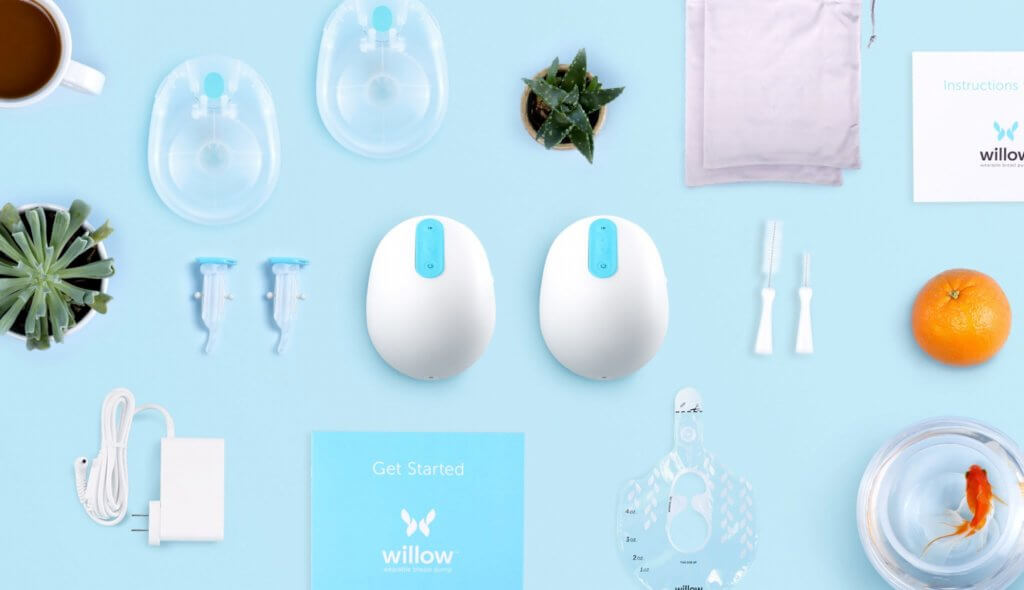
Willow is a compact, silent breast pump that fits perfectly under a woman’s bra.
Instead of flowing into a bottle, the milk fills sterile, disposable plastic containers that fit inside the pump.
The manufacturer claims the device is so quiet that a woman can even use it during a conference call.
Brineura
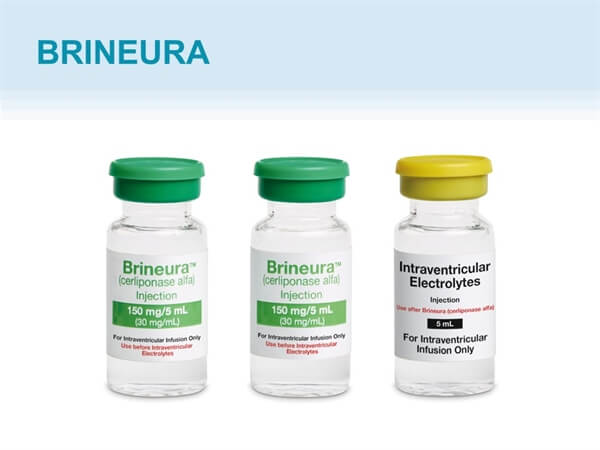
The FDA has approved BioMarin Pharmaceutical’s Brineura (cerliponase alfa) for the treatment of a specific type of the rare, inherited neurodegenerative disorder Batten disease.
This is the first FDA-approved drug for neuronal ceroid lipofuscinosis type 2 (CLN2), a disorder characterized by tripeptidyl peptidase-1 deficiency. Taking Brineura can slow the progression of symptoms in patients aged 3 years and older.
The disease begins to manifest between the ages of two and four. Initial symptoms include difficulty coordinating movements and intermittent epileptic seizures. Later, basic motor skills such as sitting and walking are affected, and vision loss may occur. Patients often do not survive to adulthood.
The Rapael Smart Glove
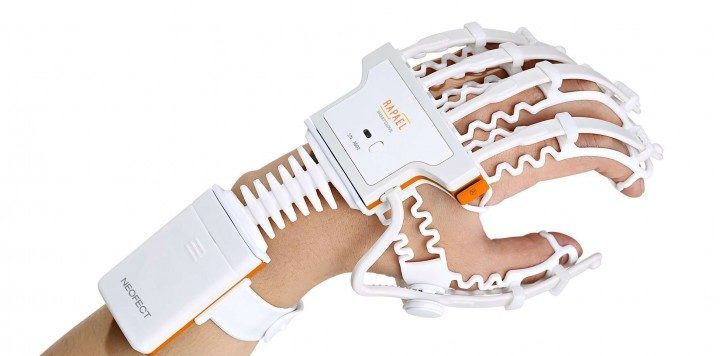
Neofest has invented the Rapael smart glove, designed to help stroke survivors regain the function of their affected hand.
This white «glove» fits onto the user’s affected hand and uses motion and position sensors on the fingers and wrist to control it. An app, connected to the device via Bluetooth, guides the patient through a series of games and activity scenes that allow them to exercise the muscles of their hand or arm.
Liftware Level Cutlery
Many of us don’t even think about the process of eating. But for people with limited hand movement, this process SS proves problematic and sometimes painful. New devices to address this issue are rarely developed. But one such solution is the Liftware Level, a motorized cutlery for people suffering from conditions such as cerebral palsy or Parkinson’s disease.

Philips IntelliSite Pathology for Collaborative Diagnostics
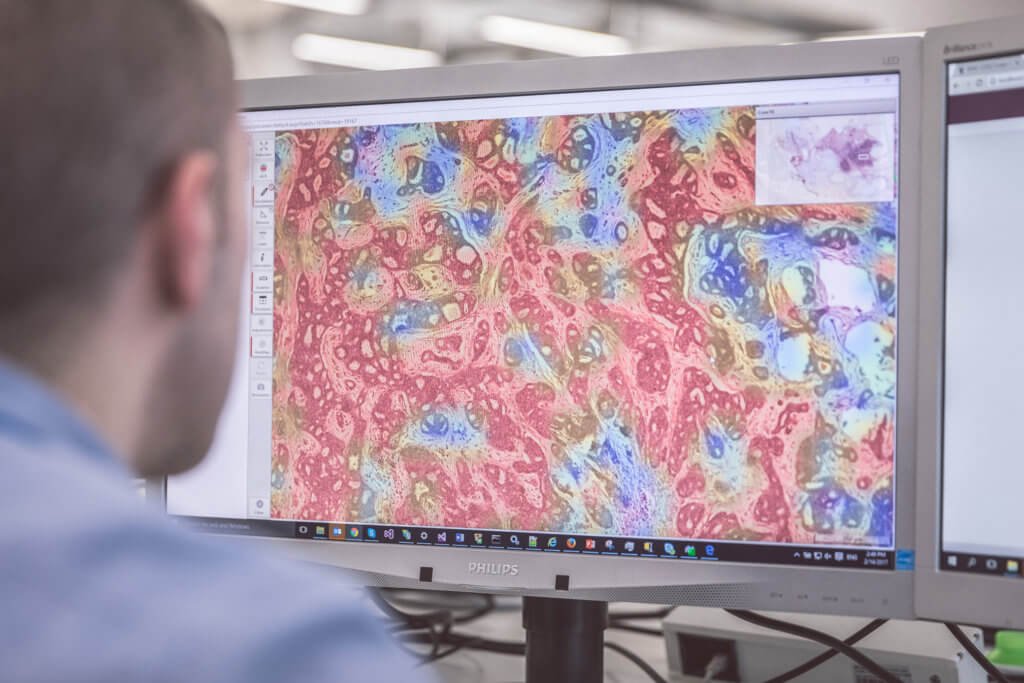
Pathology is a branch of medicine, the study of disease processes and abnormalities in the body. Pathologists collect, stain, and examine tissue samples under a microscope. Due to the numerous steps involved, all of this takes several days or weeks. Philips IntelliSite Pathology uses a high-resolution scanner to convert prepared samples into digital images that are even more detailed than those obtained under a microscope. This allows doctors to quickly share results with their colleagues.
GammaCore for headache relief without medication
New Jersey-based electroCore has unveiled its proprietary gammaCore device, which can help treat cluster headaches. Cluster headache is a type of vascular pain that causes paroxysmal pain in a specific area of the face on one side, accompanied by tearing and nasal discharge. The pain is relatively rare (affecting approximately 1% of the population, 80% of whom are men), but it causes significant suffering for those who suffer. The gammaCore device works by stimulating the vagus nerve on the side of the neck where the pain occurs with an electrical current.
The device contains electrodes that send impulses to the vagus nerve, suppressing the intensity of the pain. 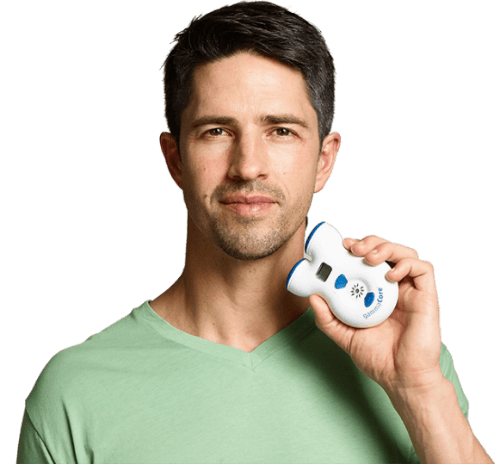
SPEAC, a gadget that tracks epilepsy at home
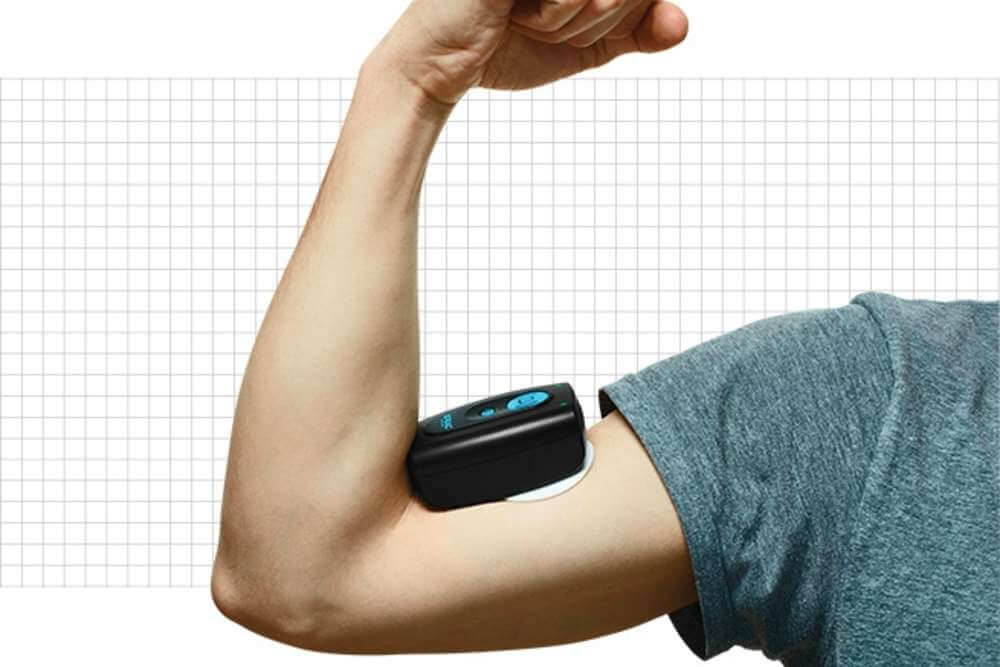
Managing epileptic seizures requires collecting information about when and how often they occur. This is usually difficult because 85 percent of seizures occur at night. SPEAC is the first gadget to track seizures without using an EEG. It attaches to a person’s biceps and detects changes in muscle activity. Using an algorithm, the device analyzes the data to recognize seizures.
The SPEAC user’s physician then reviews all the data and makes adjustments to treatment if necessary.
Embrace Neonatal MRI
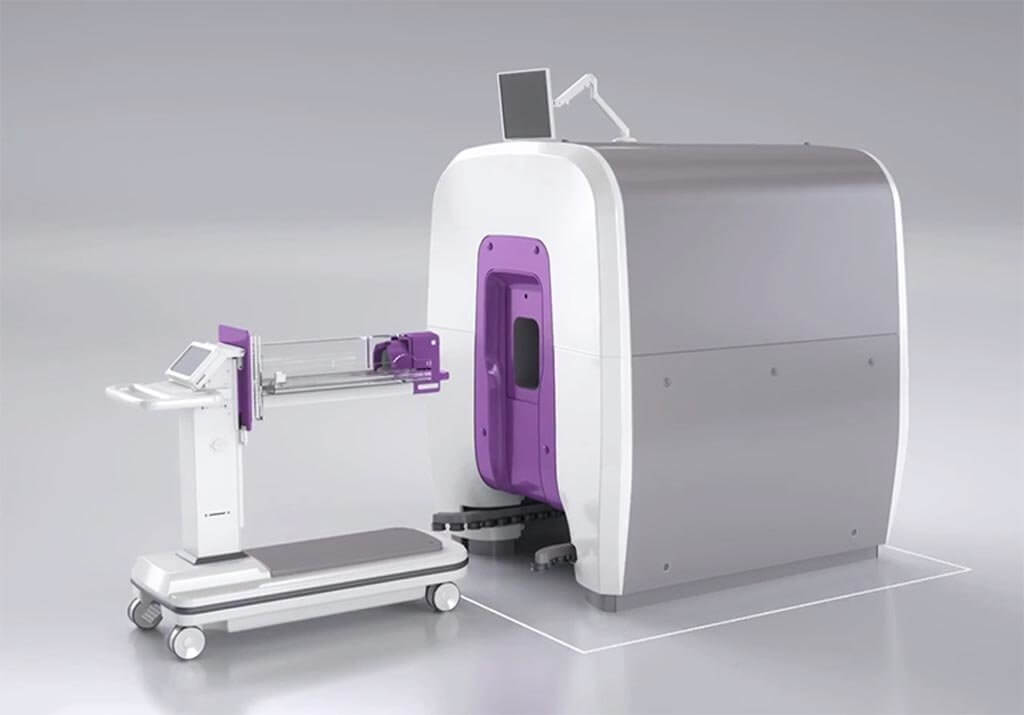
The first magnetic resonance imaging (MRI) device designed to scan the head and brain of newborns in intensive care units,
MRI uses powerful magnets and radio waves to create detailed images of the body. The Embrace Neonatal MRI System is the first device approved for this type of imaging in critically ill newborns.
My UV Patch Sun Radiation Tracker
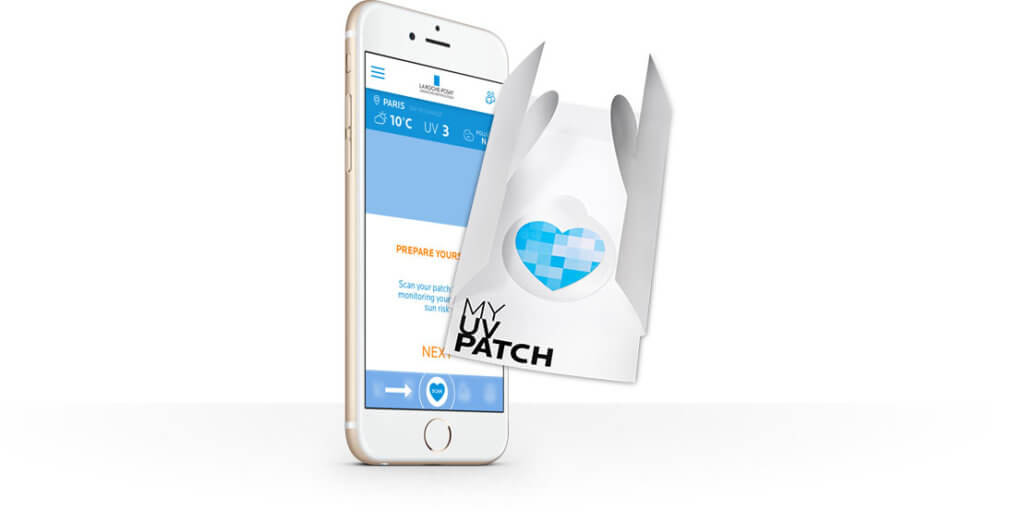
My UV Patch is an important part of La Roche-Posay’s commitment to educating consumers about the importance of UV protection and protecting them from the increased risk of skin cancer.
The sensor measures exposure, and a free app notifies you when it’s time to slow down and reminds you to reapply sunscreen. The sensor itself is also free in the US and Western Europe with the purchase of any La Roche-Posay Anthelios sunscreen.
Innovation of the Year: Cancer-Attacking Cells
Tumors are cunning. To grow, they need to evade our immune system, and their similarities to our cells help them do this. But they also have differences. Over the past decade, researchers have targeted these unique features to trigger a full immune response.
In 2017, the Food and Drug Administration The FDA has approved gene therapy for acute lymphoblastic leukemia in children and young adults. This marks the first time that gene therapy for cancer has received FDA approval.
The FDA, in announcing the approval of this treatment for leukemia, called it a «historic» event, adding that medicine is «reaching a new frontier.»
Developed by the pharmaceutical company Novartis, the therapy involves removing a patient’s own T cells, which are part of the immune system. The cells are frozen, transported to the company’s facility, and, using a specially modified human immunodeficiency virus, inserted into them a gene that helps kill malignant cells. The T cells are then frozen again, transported to the clinic, and reinjected into the patient. Novartis announced that a course of therapy, branded Kymriah, will cost $475,000. It is expected to be a one-time treatment.
The therapy has side effects, so it is intended to be used when other treatments have proven ineffective.

 Subscribe to the newsletter





Сообщить об опечатке
Текст, который будет отправлен нашим редакторам: