
For many people, a glass of beer with friends at the pub after a workout at the gym sounds like the epitome of true relaxation. You’ve worked hard. And finally, you’ve earned the right to relax and unwind with friends.
Unfortunately, a cool glass or bottle in your hand doesn’t help the body; in fact, it actually harms it. For many, this won’t come as a huge shock, as everyone knows alcohol is a drug.
Frequent and systematic consumption damages the liver, immune system, intestines, and brain, and increases the risk of several types of cancer. But you don’t do it often, right? But short-term alcohol consumption after exercise dehydrates the body, depletes it of important electrolytes and minerals, and impairs sleep, which in turn interferes with normal memory formation and proper rest.
There’s nothing wrong with drinking alcohol, especially in small amounts. There’s even research showing that small amounts of alcohol can be beneficial to some extent, even if those same sips of alcohol are detrimental to other parts of the body. Some runners honestly admit to having a couple of beers before an important race. Others think it won’t hurt. But unfortunately, these post-workout binges can actually be harmful to your body.
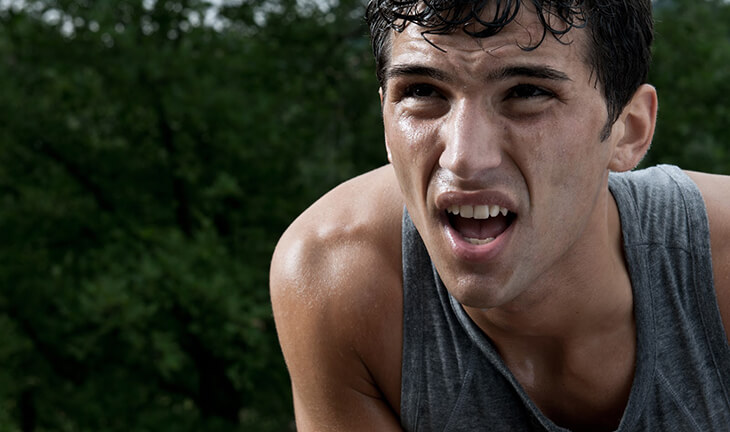
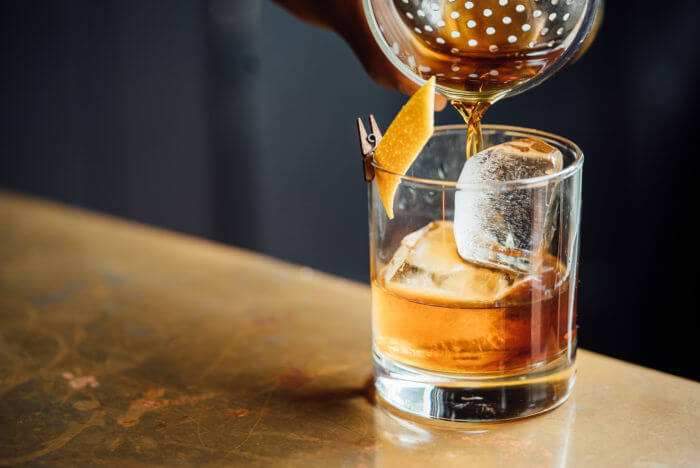 Alcohol and Exercise / Pexels photo
Alcohol hinders post-exercise recovery
Heavy exercise temporarily damages skeletal muscle—that’s how muscle growth occurs. You strain, your muscles suffer minor micro-injuries, and your body perceives this as a sign that it needs to build and increase muscle mass so that the same activity won’t cause such damage next time. This is the truth of training and gym exercises – by adding a little extra weight each time, we grow our muscles.
This means that post-workout recovery is crucial for achieving optimal results. Alcohol interferes with this process in several ways. For example, it dehydrates you, causing you to lose a lot of water through sweat and a few urinations. For optimal recovery, you should instead replenish fluids and electrolytes rather than deplete yourself.
Alcohol also reduces your muscles’ ability to use glucose and amino acids, which are necessary for the creation of new muscle fibers and blood vessels. Without these energy and protein building blocks, your body will not be able to grow stronger or your muscles larger.
Alcohol also tends to reduce hormone production, especially if consumed more than once a week. This results in your muscles not receiving the necessary amount of testosterone. This hormone helps muscles recover and develop.
All of this suggests that alcohol is somewhat beneficial (almost everything in this world is beneficial in moderation). And if you want to have a drink and relax with friends after work, don’t deny yourself that. But try not to do this on days when you train. And don’t make a habit out of it.
And definitely don’t make it seem like it’s the important final part of your workouts.

 Subscribe to the newsletter



Сообщить об опечатке
Текст, который будет отправлен нашим редакторам: