

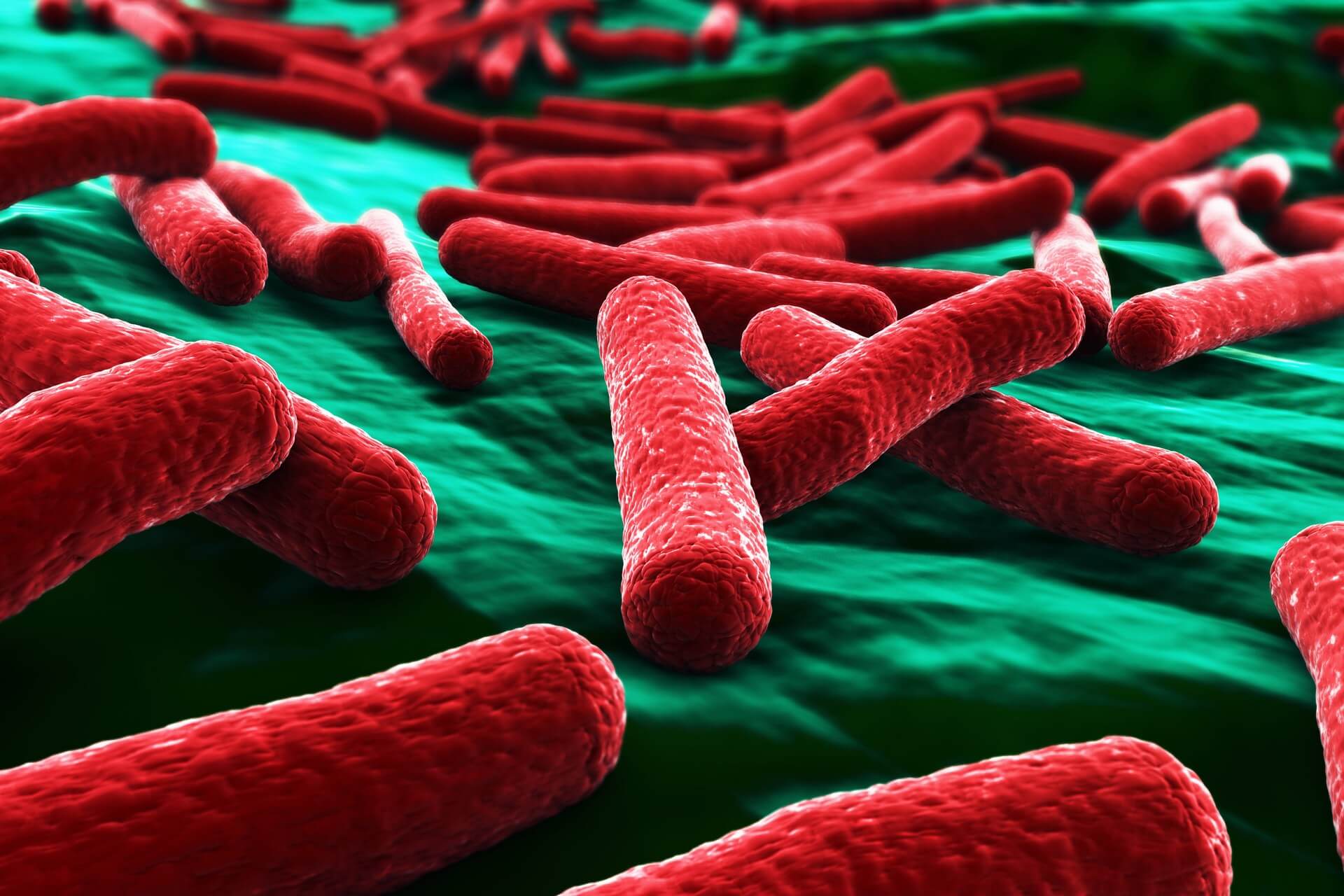
The crew of the International Space Station launched the EcAMSat microsatellite from the airlock. It will conduct an experiment to study the effects of antibiotics on E. coli in zero-gravity conditions, NASA reports. You can follow the current status of the program on the website dedicated to this mission.
The need to ensure the health of people on board spacecraft and orbital stations is forcing scientists to determine how the effectiveness of known drugs will change in zero-gravity conditions. In particular, in reduced gravity, some harmful bacteria could potentially undergo physiological and genetic changes that could alter their sensitivity to known antibiotics. However, it is unclear in advance whether the bacteria’s resistance will increase or decrease.

Launch of the EcAMSat satellite from the International Space Station
NASA
To study the adaptation of bacteria to changing environmental conditions, scientists use the intestinal bacteria Escherichia coli. The effect of reduced gravity on their resistance to antibiotics has already been tested in artificial microgravity conditions on Earth. The experiment showed that this leads to genetic adaptation of the bacteria, resulting in increased growth and colony formation. However, the sensitivity of the adapted E. coli to all known antibiotics remained unchanged.
NASA will now conduct a similar experiment in natural microgravity conditions in Earth orbit. A special CubeSat satellite, EcAMSat (E. coli Anti-Microbial Satellite), was built for this purpose. It, along with 13 other small satellites, was launched aboard the International Space Station on November 12th aboard the Cygnus cargo spacecraft. On November 20, EcAMSat was successfully launched from the ISS into Earth orbit. The experiment itself will begin after the launch of all the satellite’s main components. Scientists will observe how E. coli genetically adapts to space conditions and what happens to its sensitivity to antibiotics.
The experiment will begin by placing bacteria in a nutrient medium heated to body temperature. Antibiotic samples of varying concentrations will then be added to containers containing two bacterial cultures (one with and one without a gene that reduces antibiotic sensitivity). The experiment in Earth orbit will last 150 hours, but during this time it will collect no more than one megabyte of data, which will be sent to Earth as a radio signal. After the mission ends in a year and a half, the satellite will deorbit and burn up in Earth’s atmosphere.
If it turns out that bacterial resistance increases in microgravity, the scientists plan to modify the composition of the antibiotics based on the obtained data on the genetic mutations responsible for increased resistance.
To assess the impact of microgravity on the feasibility of using certain medications in space, the scientists are planning other experiments; for example, one experiment is devoted to assessing the solubility of medicinal tablets in water.

 Subscribe to the newsletter







Сообщить об опечатке
Текст, который будет отправлен нашим редакторам: