

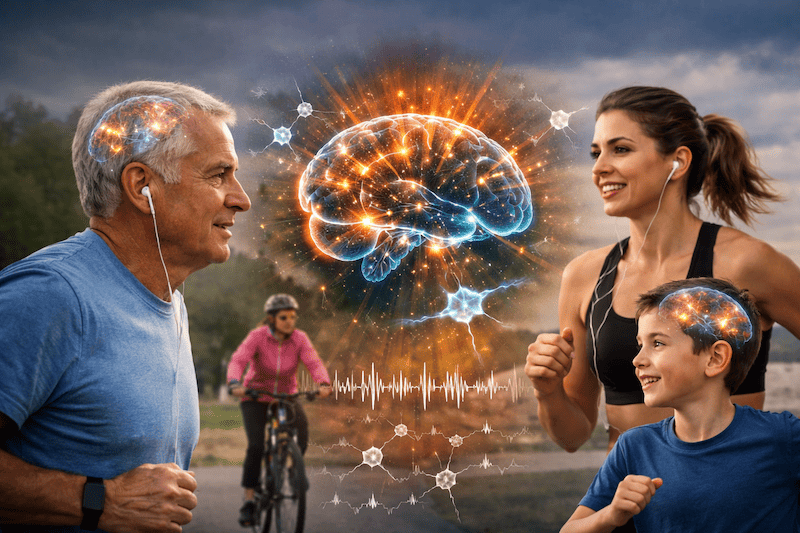
Introduction to the Relationship Between Exercise and Brain Function
Have you ever considered how exercise impacts your brain? It might surprise you to learn that physical activity can have a profound effect on your cognitive function at any age. The connection between exercise and the brain is a fascinating area of research, with numerous studies highlighting the positive impact that staying active can have on our mental health.
When we exercise, our bodies release chemicals like endorphins, which are known for boosting mood and reducing stress. But did you know that these same chemicals can also help improve concentration, memory, and overall brain function? It’s true! By engaging in regular physical activity, we are essentially giving our brains a workout too.
- Exercise stimulates the growth of new brain cells: When we engage in activities like aerobic exercise, our brains receive increased blood flow and oxygen, promoting the growth of new neurons. This process, known as neurogenesis, plays a key role in maintaining cognitive function and supporting overall brain health.
- Exercise enhances neuroplasticity: Neuroplasticity refers to the brain’s ability to adapt and change in response to experiences. By participating in regular exercise, we are effectively challenging our brains to adapt and grow, leading to improved learning and memory function.
- Exercise reduces inflammation: Chronic inflammation has been linked to cognitive decline and various neurological disorders. By incorporating physical activity into our routine, we can help reduce inflammation in the brain and protect against age-related cognitive decline.
It’s important to recognize that the relationship between exercise and brain function is a two-way street. Just as exercise benefits our cognitive function, our mental state can also impact our motivation and ability to engage in physical activity. By understanding the interconnected nature of these factors, we can create a positive feedback loop that supports both our physical and mental well-being.
As we delve deeper into the impact of exercise on the brain at different stages of life, it becomes clear that maintaining an active lifestyle is not only beneficial for our bodies but also crucial for preserving and enhancing our cognitive function. By taking the time to care for our brains through regular exercise, we can set ourselves up for a healthier and more vibrant future.
Overview of the impact of exercise on the brain at different ages
Exercise is crucial for maintaining a healthy brain regardless of your age. From children to older adults, physical activity has numerous benefits that can positively impact brain function.
- Children and Adolescents: Regular exercise during childhood and adolescence can contribute to improved cognitive skills, concentration, and academic performance. Physical activity is also linked to better mood regulation and reduced stress, which can enhance overall mental well-being.
- Young Adults: For young adults, exercise is not only beneficial for physical health but also for mental acuity. Engaging in regular physical activity can help improve memory retention, cognitive function, and problem-solving skills. It can also reduce the risk of developing mental health disorders such as depression and anxiety.
- Adults: As we age, our brain function naturally declines, but exercise can help slow down this process. Regular physical activity in adults has been shown to boost cognitive function, reduce the risk of neurodegenerative diseases like Alzheimer’s, and improve overall brain health. Exercise can also promote better sleep, which is crucial for cognitive performance.
- Older Adults: In older adults, exercise becomes even more critical for maintaining cognitive abilities and preventing age-related cognitive decline. Physical activity can enhance memory, problem-solving skills, and attention span in seniors. It can also help combat feelings of loneliness and isolation by providing social interactions through group exercise classes or outdoor activities.
Regardless of your age, incorporating regular exercise into your routine can have a profound impact on your brain health and cognitive function. Whether you prefer high-intensity workouts, yoga, swimming, or simply taking a brisk walk, staying active is key to promoting a healthy brain at every stage of life.
Explanation of how exercise benefits brain health and cognitive function
Exercise has been shown to have numerous benefits for our physical health, but its impact on our brain health and cognitive function is equally important. When we engage in physical activity, our brains release chemicals like dopamine and endorphins, which are known to improve mood and reduce feelings of stress and anxiety. These feel-good chemicals enhance overall brain function and contribute to a sense of well-being.
Regular exercise also helps to increase blood flow to the brain, delivering more oxygen and nutrients that support the growth of new neurons and the formation of new connections between existing neurons. This process, known as neurogenesis, is crucial for learning, memory, and overall cognitive function.
Furthermore, exercise has been found to lower levels of inflammation in the brain, reducing the risk of neurological conditions like Alzheimer’s disease and other forms of dementia. By reducing inflammation and boosting the production of protective proteins in the brain, exercise helps to preserve cognitive function as we age.
- Cognitive function: Exercise has been shown to improve cognitive performance in various areas, including memory, attention, and problem-solving skills. Regular physical activity can enhance brain function and help to maintain mental sharpness.
- Brain structure: Studies have shown that exercise can increase the size of certain areas of the brain, such as the hippocampus, which is involved in memory and learning. This increased brain volume is associated with better cognitive function and a reduced risk of cognitive decline.
- Mood regulation: Exercise has powerful effects on mood regulation, promoting feelings of happiness and reducing symptoms of depression and anxiety. The release of endorphins during physical activity can boost overall mental well-being and contribute to improved cognitive function.
Incorporating regular exercise into your routine is not only beneficial for your physical health but also plays a vital role in maintaining a healthy brain. Whether you prefer walking, running, dancing, or lifting weights, finding activities that you enjoy and can commit to on a regular basis will support your brain health and cognitive function throughout your life.
Discussion on the role of exercise in preventing age-related cognitive decline
As we age, our brain undergoes changes that can affect our cognitive function and memory. However, research has shown that regular exercise can play a crucial role in preventing age-related cognitive decline and maintaining brain health.
Physical activity has been found to stimulate the production of proteins that promote the growth of new neurons and synapses in the brain. This process, known as neurogenesis, is important for maintaining cognitive function and preventing the loss of brain cells that occurs with aging.
- Exercise not only helps to improve blood flow to the brain, delivering essential nutrients and oxygen, but it also helps to reduce inflammation and oxidative stress, which can contribute to cognitive decline.
- Regular exercise has also been shown to improve mood and reduce stress, both of which can have a positive impact on brain health and cognitive function.
Furthermore, engaging in physical activity can help to enhance neuroplasticity, the brain’s ability to reorganize and adapt in response to new experiences or changes in the environment. This flexibility is important for learning and memory and can help to offset some of the effects of aging on the brain.
It’s never too late to start incorporating exercise into your routine to benefit your brain health. Even low-impact activities like walking or gentle yoga can make a difference in preventing age-related cognitive decline. Consistency is key, so finding exercises that you enjoy and can stick with long-term is essential for reaping the cognitive benefits of physical activity.
Overall, exercise plays a vital role in promoting brain health and preventing age-related cognitive decline. By staying active and incorporating regular physical activity into your daily routine, you can help to maintain your cognitive function, memory, and overall brain health as you age. So get moving and give your brain the workout it deserves!
Exploration of the effects of exercise on neuroplasticity and brain structure
Did you know that when you exercise, it’s not just your muscles getting stronger, but your brain benefits too? That’s right — regular physical activity can have a positive impact on your brain’s neuroplasticity and structure.
Neuroplasticity refers to the brain’s ability to adapt and change in response to new experiences or learning. When you exercise, your brain releases chemicals called neurotrophins, which support the growth and connectivity of neurons in the brain. This process helps improve your brain’s ability to learn, remember, and adapt to different situations.
Additionally, exercise has been found to increase the volume of certain brain regions, such as the hippocampus, which plays a key role in memory and learning. By engaging in physical activity, you are essentially giving your brain a workout, helping it stay sharp and resilient against age-related decline.
- Running and aerobic exercises have been shown to promote the production of new neurons in the hippocampus, boosting memory and cognitive function.
- Strength training can enhance connectivity between brain regions, improving overall brain function and cognitive performance.
- Even activities like yoga and tai chi can help reduce stress, improve focus, and enhance brain structure through their mind-body connection.
So, whether you prefer going for a jog, lifting weights, or practicing mindful movements, incorporating exercise into your routine can have lasting benefits on your brain’s neuroplasticity and structure. Remember, it’s never too late to start – your brain will thank you for it!
Description of the different types of exercises that can benefit brain health
Exercise comes in many forms, and each type can offer unique benefits to your brain health. Here are some examples of exercises that can help boost your cognitive function:
- Aerobic exercise: Activities like walking, running, swimming, or cycling that get your heart pumping and increase your oxygen intake are great for brain health. Aerobic exercise has been shown to improve memory, attention, and overall brain function.
- Strength training: Lifting weights or using resistance bands not only builds muscle but also benefits your brain. Strength training can enhance cognitive abilities, such as executive function and attention, by stimulating the release of neurotrophic factors in the brain.
- Yoga: This mind-body practice combines physical postures, breathing techniques, and meditation to improve both physical and mental well-being. Yoga has been found to reduce stress, increase focus, and promote brain health by improving mindfulness and reducing inflammation.
- Dancing: Moving to music not only lifts your spirits but also has positive effects on your brain. Dancing challenges coordination, balance, and memory, all of which can help maintain cognitive function and prevent decline as you age.
- Mindfulness-based exercises: Practices like tai chi and qigong focus on breath control, meditation, and gentle movements to cultivate mental clarity and emotional balance. These exercises can reduce stress, anxiety, and depression, while also boosting brain health through relaxation and mindfulness.
Remember, it’s important to find an exercise routine that works best for you and fits into your lifestyle. Whether you prefer to hit the gym, take a dance class, or practice yoga at home, the key is to stay active and consistent with your workouts to reap the benefits for your brain.
Tips for Incorporating Regular Exercise to Improve Brain Function
Committing to regular exercise doesn’t have to be overwhelming or time-consuming. Here are some simple tips to help you incorporate more physical activity into your daily routine and boost your brain function:
- Start small: Begin with short, manageable workout sessions and gradually increase the duration and intensity as you build up your fitness level.
- Find activities you enjoy: Whether it’s dancing, biking, swimming, or simply going for a brisk walk, choose exercises that you find fun and engaging to make it easier to stick to your routine.
- Set realistic goals: Establish achievable fitness goals that align with your abilities and schedule, and track your progress to stay motivated.
- Mix it up: Incorporate a variety of aerobic, strength training, and balance exercises to provide a comprehensive workout for your body and brain.
- Schedule workouts: Treat exercise like an essential appointment by blocking out specific times in your calendar for physical activity, making it a priority in your daily routine.
- Involve others: Enlist a friend, family member, or coworker to join you in your workouts to add accountability and make exercising more enjoyable.
- Make it convenient: Choose a gym or exercise location that is easily accessible, or opt for home workouts if that suits your lifestyle better.
- Set reminders: Use alarms, smartphone apps, or sticky notes to remind yourself to get moving and stay on track with your exercise plan.
- Stay positive: Focus on the many benefits of exercise for your brain and overall well-being, and celebrate your progress and achievements along the way.
By incorporating these tips into your daily routine, you can improve brain function, enhance your cognitive abilities, and maintain a healthy mind as you age. Remember, the key is consistency, so make a commitment to yourself and prioritize your brain health by staying active regularly.
Highlighting the importance of aerobic exercise for brain health
When it comes to keeping your brain in tip-top shape, aerobic exercise is a key player. Aerobic exercise, also known as cardio, includes activities like jogging, swimming, cycling, and dancing. These types of exercises increase your heart rate and improve the flow of oxygen-rich blood to your brain.
- Aerobic exercise helps stimulate the production of new neurons in the hippocampus, the part of the brain responsible for learning and memory. This means that regular aerobic exercise can actually help improve your cognitive function and boost your memory.
- Research has shown that aerobic exercise can help reduce inflammation in the brain, which is linked to cognitive decline and neurodegenerative diseases like Alzheimer’s. By reducing inflammation, aerobic exercise can protect your brain health and preserve your cognitive abilities as you age.
- Aerobic exercise also promotes the release of chemicals in the brain called neurotransmitters, which are vital for communication between brain cells. These neurotransmitters, like dopamine and serotonin, play a crucial role in regulating mood and improving mental clarity.
So, if you want to maintain a healthy brain and sharp mind, incorporating aerobic exercise into your routine is essential. Aim for at least 150 minutes of moderate-intensity aerobic exercise per week, spread out over several days. This could be going for a brisk walk in the park, taking a dance class, or even jumping rope in your living room. The key is to find an activity that you enjoy and can stick with consistently.
Remember, staying active not only benefits your physical health but also has a significant impact on your cognitive function and emotional well-being. So lace up those running shoes, grab your swimsuit, or put on your favorite workout playlist and get moving for a happier, healthier brain!
Detailing the benefits of strength training for brain function
Strength training, also known as resistance training, involves using weights, resistance bands, or even your body weight to build muscle strength and endurance. While many people associate strength training with physical benefits such as increased muscle mass and improved metabolism, it also has significant benefits for brain function.
When you engage in strength training, your muscles produce a protein called brain-derived neurotrophic factor (BDNF). BDNF plays a crucial role in promoting the growth and maintenance of neurons in the brain, which can improve cognitive function and memory. In fact, research has shown that higher levels of BDNF are associated with better brain health and decreased risk of cognitive decline.
In addition to increasing BDNF levels, strength training also helps improve overall blood flow and oxygen delivery to the brain. This can enhance neural connectivity and support the growth of new brain cells, leading to better cognitive function and sharper mental acuity.
- Strength training improves focus and concentration by enhancing neurotransmitter communication in the brain.
- It can help reduce the risk of cognitive decline and neurodegenerative diseases such as Alzheimer’s by increasing brain plasticity and resilience.
- Regular strength training has been shown to improve mood and reduce symptoms of anxiety and depression, which can have a positive impact on overall brain health.
Whether you’re lifting weights, doing bodyweight exercises, or resistance band workouts, incorporating strength training into your exercise routine can have significant benefits for your brain. Just like any muscle in your body, the brain benefits from the challenge of resistance training, which can help keep your mind sharp and functioning at its best.
Remember, it’s never too late to start reaping the brain-boosting benefits of strength training. Aim to incorporate strength training exercises at least two to three times a week into your overall fitness routine to see improvements in your cognitive function and brain health over time.
Mental Health Benefits of Exercise on the Brain
Exercise is not only beneficial for physical health, but it also has a profound impact on mental well-being and brain function. When you exercise, your body releases chemicals like endorphins and serotonin, which are known as «feel-good» hormones that can help improve your mood and reduce feelings of stress and anxiety.
Regular physical activity can also help alleviate symptoms of depression and improve overall mental health. Studies have shown that engaging in exercise can boost self-esteem, confidence, and cognitive function. It can also improve sleep quality, which is essential for maintaining optimal brain function.
- Increased production of endorphins and serotonin to elevate mood
- Alleviation of symptoms of depression and reduction of anxiety
- Improvement in self-esteem and confidence levels
Moreover, exercise stimulates the growth of new brain cells, a process known as neurogenesis, and enhances connectivity between different parts of the brain. This can lead to improved cognitive abilities such as enhanced memory, concentration, and problem-solving skills.
Additionally, regular exercise can help reduce the risk of developing neurodegenerative diseases like Alzheimer’s and dementia. By promoting blood flow to the brain and reducing inflammation, exercise can maintain the overall health of brain cells and protect against cognitive decline as we age.
Incorporating exercise into your routine can also provide a sense of accomplishment and satisfaction, which can contribute to overall mental well-being. Whether it’s a brisk walk in the park, a yoga class, or a high-intensity workout, finding an exercise regimen that suits your preferences can be a great way to improve your mood and cognitive function.
Overall, regular exercise plays a vital role in supporting not only our physical health but also our mental well-being. By taking care of our bodies, we are also nurturing our brains and enhancing our overall quality of life. So next time you need a mood boost or a mental pick-me-up, consider going for a jog, hitting the gym, or practicing yoga to reap the many mental health benefits that exercise has to offer.
Providing examples of brain-boosting exercises for people of all ages
There are many different types of exercises that can benefit your brain health and cognitive function, regardless of your age. Here are some brain-boosting exercises that you can incorporate into your routine:
- Aerobic exercise: Activities like walking, running, swimming, or cycling can increase blood flow to the brain and stimulate the growth of new brain cells. Aim for at least 150 minutes of moderate-intensity aerobic exercise per week.
- Strength training: Lifting weights or doing bodyweight exercises can improve your cognitive function and memory by increasing levels of growth factors in the brain. Try incorporating strength training exercises into your routine 2-3 times per week.
- Yoga: Practicing yoga can help reduce stress and improve concentration and focus. It combines physical postures with breathing techniques and meditation, making it a great way to boost brain health.
- Dance: Dancing is a fun and engaging way to improve brain function, memory, and coordination. Plus, it can elevate your mood and reduce the risk of developing dementia later in life.
- Interval training: Incorporating intervals of high-intensity exercise with periods of rest can enhance cognitive function and promote neuroplasticity. Try adding interval training to your workouts to challenge your brain and body.
- Mind-body exercises: Practices like tai chi and qigong combine physical movement with breath control and mental focus. These exercises can improve brain function, reduce stress, and enhance overall well-being.
Remember, the key to reaping the benefits of these brain-boosting exercises is consistency. Aim to make physical activity a regular part of your routine to support your brain health and cognitive function. Mix and match different types of exercises to keep things interesting and challenge your brain in various ways. Listen to your body and choose activities that you enjoy, so you’re more likely to stick with them over time. By prioritizing exercise and movement in your daily life, you can maintain a healthy brain at any age.
Conclusion: The Importance of Exercise for a Healthy Brain
Exercise is not just beneficial for our physical health, but it also plays a crucial role in maintaining a healthy brain at any age. The relationship between exercise and brain function is a powerful one, with numerous studies showing the positive impact of regular physical activity on cognitive abilities and mental well-being.
As we age, it is natural for our cognitive functions to slow down, but incorporating exercise into our daily routine can help slow down this process and even prevent age-related cognitive decline. Physical activity has been shown to improve neuroplasticity, which is the brain’s ability to reorganize itself by forming new neural connections. This means that exercise can actually improve the structure and function of our brain, leading to better memory, attention, and overall cognitive function.
Whether you prefer aerobic exercises like running or biking, strength training activities like weightlifting, or even mind-body exercises such as yoga or tai chi, there are countless options available to help boost your brain health. The key is to find an exercise routine that you enjoy and can stick to regularly, as consistency is key when it comes to reaping the benefits for your brain.
- Exercise Benefits:
- Improved cognitive function
- Increased neuroplasticity
- Prevention of age-related cognitive decline
- Enhanced brain structure
- Mental health benefits
So, whether you are a young adult looking to sharpen your focus and productivity, an older adult aiming to prevent cognitive decline, or someone in between looking to boost your mental well-being, incorporating exercise into your daily life is a simple yet powerful way to keep your brain healthy and functioning at its best. Remember, it’s never too late to start reaping the benefits of exercise for your brain — so get moving and watch your cognitive abilities soar!

 Subscribe to the newsletter








Сообщить об опечатке
Текст, который будет отправлен нашим редакторам: