

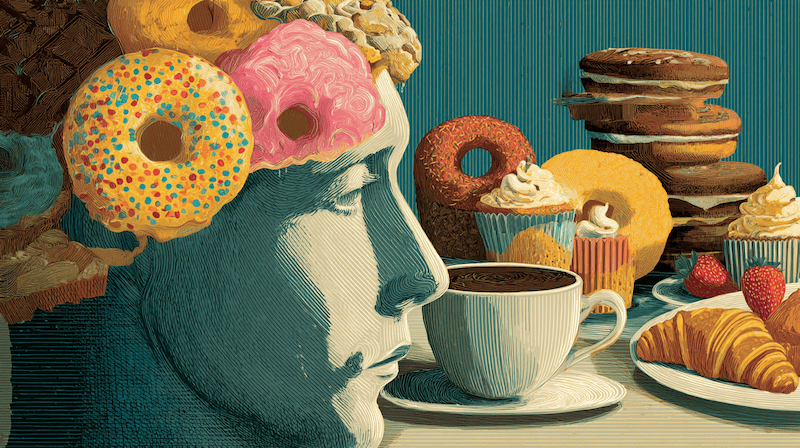
Welcome to a guide that aims to shed light on the impact of ultra-processed foods on our brain health. In today’s modern world, convenience often trumps nutrition, leading many of us to rely on processed and pre-packaged foods for our daily meals. However, these ultra-processed foods may have hidden dangers lurking beneath their appealing packaging.
Processed foods go through multiple steps, involving the addition of artificial flavors, colors, preservatives, and other chemicals to enhance their taste and shelf life. Ultra-processed foods, in particular, are highly engineered products with little resemblance to their original, whole food sources. These foods are typically high in unhealthy fats, sugars, and salt, and low in essential nutrients like fiber, vitamins, and minerals.
- Examples of ultra-processed foods include:
- Sugary drinks like soda and energy drinks
- Fast food items like burgers, fries, and pizza
- Pre-packaged snacks such as chips, candy bars, and cookies
- Ready-to-eat meals like microwave dinners and instant noodles
The relentless availability and aggressive marketing of ultra-processed foods have normalized their consumption in many societies. As a result, our diets have shifted away from nutrient-dense whole foods that support optimal brain function and overall well-being. By delving into the world of ultra-processed foods, we can better understand their implications on our brain health and make informed choices to protect our cognitive abilities.
Definition of Ultra-Processed Foods and Examples
When we talk about ultra-processed foods, we are not just talking about your typical store-bought snacks or sweets. Ultra-processed foods go beyond just being processed — they are heavily modified products that often contain additives and artificial ingredients. These are foods that heavily rely on industrialized processing and are typically low in nutrients but high in unhealthy fats, sugars, and salt.
Examples of ultra-processed foods include packaged snacks like chips, candy bars, soda, instant noodles, and frozen meals. These products are designed to be convenient and flavorful, but they can have detrimental effects on our health when consumed regularly.
Another key characteristic of ultra-processed foods is their long list of ingredients, many of which are unfamiliar and difficult to pronounce. These can include preservatives, artificial colors and flavors, emulsifiers, and other chemicals that are not commonly found in whole, minimally processed foods.
- Sugary cereals and pastries
- Fast food items like burgers and fries
- Processed meats like hot dogs and bacon
- Cake mixes and ready-to-eat desserts
It’s important to remember that not all processed foods are created equal. Some processed foods, like plain frozen vegetables or whole grain bread, can still be a part of a healthy diet. However, ultra-processed foods typically fall in the red zone due to their nutrient deficiencies and high content of unhealthy additives.
Health Effects of Consuming Ultra-Processed Foods
When it comes to our health, the food we eat plays a crucial role. Ultra-processed foods, which are often high in added sugars, unhealthy fats, and artificial ingredients, can have detrimental effects on our overall well-being.
- Weight Gain: Consuming ultra-processed foods has been linked to weight gain and obesity. These foods are typically high in calories but low in nutritional value, making it easy to overeat without feeling satisfied.
- Increased Risk of Chronic Diseases: Studies have shown that a diet high in ultra-processed foods can increase the risk of developing chronic diseases such as heart disease, diabetes, and certain types of cancer. This is due to the inflammatory properties of processed ingredients and their impact on the body’s natural functions.
- Poor Digestive Health: Ultra-processed foods often lack fiber and essential nutrients that are important for healthy digestion. This can lead to issues such as bloating, constipation, and overall digestive discomfort.
- Imbalanced Blood Sugar Levels: The high levels of added sugars in ultra-processed foods can cause spikes and crashes in blood sugar levels, leading to mood swings, fatigue, and cravings for more unhealthy foods.
By understanding the potential health effects of consuming ultra-processed foods, we can make informed decisions about what we choose to eat. Opting for whole, nutrient-dense foods can help support overall health and well-being.
The Brain-Gut Connection and its Role in Food Choices
Have you ever felt butterflies in your stomach when you were nervous or made food choices based on how you were feeling? This is because the brain and gut are in constant communication with each other, affecting our food choices and overall health.
When we consume food, our gut sends signals to the brain to indicate how full we are and whether the food is providing the necessary nutrients. In return, the brain influences our food choices based on emotions, memories, and cravings. This connection between the brain and gut plays a crucial role in shaping our dietary habits.
Ultra-processed foods can disrupt this intricate communication system by altering the gut microbiome, which can lead to cravings for unhealthy foods high in sugar, salt, and fat. These highly processed foods often lack essential nutrients and fiber, which are important for gut health and overall well-being. As a result, consuming these foods can negatively impact our brain-gut connection and leave us feeling unsatisfied and craving more unhealthy options.
- Processed foods tend to be designed to be easily digestible and flavorful, making them more appealing to our taste buds.
- However, these foods can disrupt the balance of good and bad bacteria in our gut, leading to inflammation and potential health issues.
- By focusing on whole, nutrient-dense foods, we can support a healthy gut microbiome and improve our brain-gut connection.
Understanding the brain-gut connection and how it influences our food choices can empower us to make healthier decisions that benefit both our physical and mental well-being. By choosing whole, unprocessed foods, we can nourish our bodies and support a harmonious relationship between our brain and gut.
Impact of Ultra-Processed Foods on Brain Health
When it comes to our brain health, the foods we put into our bodies play a crucial role. Unfortunately, ultra-processed foods can have significant negative impacts on the health of our brains. These foods are typically high in added sugars, unhealthy fats, and artificial additives, all of which can have harmful effects on our cognitive function and overall brain health.
Studies have shown that consuming a diet high in ultra-processed foods can lead to inflammation in the brain, which may contribute to the development of neurodegenerative diseases such as Alzheimer’s and Parkinson’s. These processed foods can also disrupt the balance of neurotransmitters in the brain, which are essential for regulating mood, cognition, and behavior.
Additionally, the high levels of unhealthy fats found in ultra-processed foods can impact the structure and function of our brain cells, potentially leading to impaired memory and learning abilities. This can have detrimental effects on our ability to focus, solve problems, and retain information.
Furthermore, the additives and preservatives commonly found in ultra-processed foods can interact with the gut microbiota, leading to an imbalance in the gut-brain axis. This communication pathway between the gut and the brain plays a crucial role in regulating our food choices, appetite, and mood. Disruption of this axis by consuming ultra-processed foods can have far-reaching impacts on our mental well-being.
Overall, it’s clear that the foods we eat directly impact our brain health. By reducing our consumption of ultra-processed foods and opting for nutrient-dense whole foods instead, we can support our cognitive function, mood, and overall mental well-being.
Studies on Ultra-Processed Foods and Cognitive Function
Recent research has been shedding light on the effects of ultra-processed foods on our cognitive function. These studies have shown a concerning link between a diet high in ultra-processed foods and negative impacts on brain health.
- Memory and Learning: Some studies have found that consuming a diet rich in ultra-processed foods may impair memory and hinder learning abilities. This can be especially concerning for students, professionals, and anyone who relies on their cognitive skills for daily tasks.
- Brain Fog: Individuals who regularly consume ultra-processed foods may experience what is commonly referred to as «brain fog.» This is characterized by difficulty concentrating, mental fatigue, and overall sluggishness in cognitive function.
- Cognitive Decline: Long-term consumption of ultra-processed foods has been linked to a higher risk of cognitive decline in older adults. This can manifest as issues with memory, reasoning, and decision-making as we age.
While more research is needed to fully understand the mechanisms behind these effects, the evidence so far suggests that our food choices play a significant role in shaping our brain health and cognitive function.
It’s important to be mindful of the impact that ultra-processed foods can have on our brains and overall well-being. By making healthier food choices and prioritizing nutrient-dense options, we can support our cognitive function and help protect our brains from potential harm.
Neurological Disorders Linked to Ultra-Processed Foods
When it comes to our brain health, the food choices we make can have a significant impact. Research has shown that consuming a diet high in ultra-processed foods may be linked to an increased risk of developing certain neurological disorders.
- One study found that a diet rich in ultra-processed foods was associated with a higher risk of developing Alzheimer’s disease. These foods, which are often high in sugar, unhealthy fats, and additives, may contribute to inflammation and oxidative stress in the brain, both of which are factors implicated in the development of Alzheimer’s.
- Another study suggested a potential link between ultra-processed food consumption and an increased risk of depression. The additives and preservatives found in these foods may disrupt the delicate balance of neurotransmitters in the brain, leading to changes in mood and mental health.
- Some research has also found a possible association between a diet high in ultra-processed foods and a higher likelihood of developing conditions like ADHD and autism. While more research is needed to fully understand these connections, the evidence points to the importance of nourishing our brains with nutrient-dense foods.
It is important to note that correlation does not necessarily equal causation, and further studies are needed to fully understand the relationship between ultra-processed foods and neurological disorders. However, these findings underscore the importance of fueling our bodies and brains with whole, nutrient-rich foods to support optimal cognitive function and mental well-being.
Influence of Ultra-Processed Foods on Mood and Mental Health
Eating ultra-processed foods doesn’t just affect your physical health, it can also have a significant impact on your mood and mental well-being. Research has shown that a diet high in processed foods can lead to negative effects on mental health, including symptoms of depression and anxiety.
When we consume foods that are loaded with added sugars, unhealthy fats, artificial additives, and refined grains, our brains may not receive the nutrients they need to function optimally. This can result in imbalances in neurotransmitters like serotonin, which plays a crucial role in regulating mood and emotions.
- Studies have linked the consumption of ultra-processed foods to an increased risk of depression and anxiety disorders.
- These foods can also lead to fluctuations in blood sugar levels, causing mood swings and irritability.
- Additionally, the high levels of unhealthy fats in processed foods can contribute to inflammation in the brain, which has been associated with cognitive decline and mood disorders.
It’s important to remember that our diet plays a key role in not just our physical health, but also our mental well-being. Making healthier food choices by opting for whole, unprocessed foods can help support a positive mood and overall mental health.
Next time you’re reaching for a quick snack or meal, consider choosing fruits, vegetables, whole grains, lean proteins, and healthy fats instead of reaching for that bag of chips or sugary treat. Your brain and your mood will thank you for it!
The Importance of Nutrient-Dense Foods for Brain Function
Our brain is a powerful organ that requires the right nutrients to function optimally. Just like a car needs good fuel to run smoothly, our brain also needs the right kind of fuel in the form of nutrient-dense foods. These foods not only provide energy but also play a crucial role in supporting cognitive functions such as memory, focus, and mood.
When we consume nutrient-dense foods, we are supplying our brain with essential vitamins, minerals, antioxidants, and omega-3 fatty acids that are vital for maintaining brain health. For example, foods rich in omega-3s, such as salmon and walnuts, have been shown to support brain function and lower the risk of cognitive decline.
In contrast, a diet high in ultra-processed foods, which are often filled with refined sugars, unhealthy fats, and artificial additives, can have a negative impact on brain function. These foods not only lack essential nutrients but they may also lead to inflammation in the brain, oxidative stress, and impaired neurotransmitter function.
- To support your brain health, it is important to include a variety of nutrient-dense foods in your diet:
- Colorful fruits and vegetables
- Whole grains
- Lean proteins
- Healthy fats
- Dairy or dairy alternatives
Research has shown that diets rich in these nutrient-dense foods can improve cognitive performance, protect against neurodegenerative diseases, and support overall brain health. By nourishing your brain with the right nutrients, you are setting yourself up for better cognitive function, improved mood, and enhanced mental clarity.
Remember, what you eat not only affects your waistline but also your brain. Making simple swaps such as choosing a piece of fruit over a sugary snack or opting for whole grains instead of processed bread can make a big difference in supporting your brain health in the long run.
Next, let’s discuss strategies for reducing consumption of ultra-processed foods and incorporating more whole foods into your diet.
Strategies for Reducing Consumption of Ultra-Processed Foods
Reducing the amount of ultra-processed foods in your diet can have significant benefits for your brain health and overall well-being. Here are some simple strategies to help you cut back on these less nutritious food choices:
- Understand Food Labels: Be mindful of packaging labels and ingredients lists. Look out for words like «artificial,» «processed,» and «high-fructose corn syrup,» which indicate a product is likely highly processed.
- Cook at Home: By preparing meals from scratch, you can control the ingredients that go into your food and avoid added sugars, unhealthy fats, and preservatives commonly found in processed foods.
- Choose Whole Foods: Opt for whole, single-ingredient foods like fruits, vegetables, lean meats, whole grains, and nuts. These nutrient-dense options provide essential vitamins, minerals, and antioxidants that support optimal brain function.
- Avoid the Center Aisles: Stick to the perimeter of the grocery store where fresh produce, meats, and dairy products are located. Processed snacks, sweets, and drinks are typically found in the center aisles.
- Limit Sugary and Artificial Drinks: Sugary beverages like soda, energy drinks, and fruit-flavored juices can be loaded with added sugars and chemicals. Opt for water, herbal teas, or homemade smoothies instead.
- Plan Ahead: Take the time to plan your meals and snacks for the week. This will help you make healthier choices and avoid the temptation of convenient, but processed, options when hunger strikes.
- Practice Mindful Eating: Slow down and savor your meals. Pay attention to your hunger cues and stop eating when you feel satisfied. Mindful eating can help prevent overeating and reduce the urge to reach for processed snacks.
By being aware of the impact of ultra-processed foods on your brain and overall health, you can take steps to make positive changes in your diet. Small, gradual adjustments can lead to long-lasting habits that support your cognitive function and mental well-being.
Tips for Incorporating Whole Foods into Your Diet
Transitioning to a diet rich in whole foods doesn’t have to be overwhelming. Start by making small changes and gradually build up to incorporating more nutrient-dense foods into your meals. Here are some tips to help you get started:
- Plan your meals: Take some time each week to plan out your meals and snacks. This will help you make healthier choices and avoid reaching for ultra-processed foods when you’re hungry and in a rush.
- Shop the perimeter of the grocery store: Whole foods like fruits, vegetables, lean proteins, and whole grains are typically found around the edges of the store. Focus on filling your shopping cart with these nutritious options.
- Cook at home: By preparing your meals at home, you have more control over what goes into your food. Try experimenting with different recipes and ingredients to keep things interesting.
- Snack smart: Instead of grabbing a bag of chips or cookies, opt for whole food snacks like fruit, nuts, yogurt, or cut-up vegetables with hummus. These options will provide you with sustained energy and essential nutrients.
- Stay hydrated: Drink plenty of water throughout the day to keep your body and brain hydrated. Herbal teas and infused waters are also great alternatives to sugary beverages.
Remember, it’s all about balance. You don’t have to completely give up convenience foods, but try to limit them and focus on adding more whole foods to your diet. Small changes can make a big difference in how you feel both physically and mentally.
Conclusion and Final Thoughts
After exploring the impact of ultra-processed foods on the brain, it becomes clear that what we eat can greatly influence our cognitive function, mood, and overall mental health. Ultra-processed foods are often loaded with additives, preservatives, refined sugars, and unhealthy fats that can negatively affect the brain-gut connection and lead to various neurological disorders.
Studies have shown that a diet rich in nutrient-dense whole foods is essential for brain health and cognitive function. By incorporating foods like fruits, vegetables, whole grains, and lean proteins into your diet, you can provide your brain with the necessary nutrients it needs to thrive.
It’s important to be mindful of your food choices and strive to reduce your consumption of ultra-processed foods. By opting for whole foods whenever possible and avoiding highly processed snacks and meals, you can support your brain health and improve your overall well-being.
- Choose fresh fruits and vegetables over packaged snacks
- Opt for whole grains like quinoa, brown rice, and oats instead of refined grains
- Include lean proteins such as chicken, fish, beans, and nuts in your meals
- Avoid sugary beverages and opt for water, herbal teas, or homemade smoothies
By making small changes to your diet and focusing on nourishing your body with whole, nutrient-dense foods, you can experience improvements in your mental clarity, mood, and cognitive function. Remember that what you eat not only impacts your physical health but also plays a crucial role in supporting your brain health.

 Subscribe to the newsletter








Сообщить об опечатке
Текст, который будет отправлен нашим редакторам: