

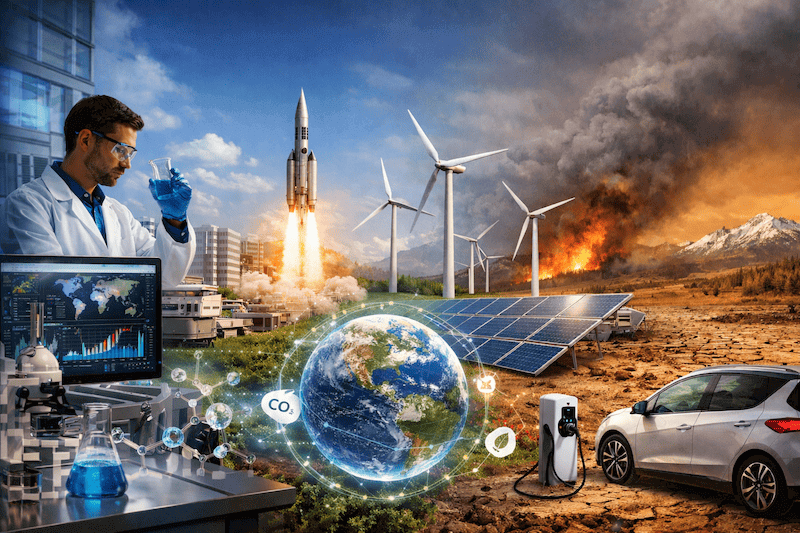
Climate change is one of the biggest challenges facing our planet today. With rising global temperatures, melting ice caps, and more extreme weather events, the need for solutions is urgent. Science and technology play a crucial role in understanding and addressing climate change, offering innovative solutions to reduce our impact on the environment and build a sustainable future for all.
By leveraging scientific research and technological advancements, we can develop effective strategies to mitigate climate change and adapt to its effects. From renewable energy technologies to cutting-edge advancements in carbon capture and storage, solutions are being developed to combat climate change at every level.
- The impact of climate change on the environment and society: Climate change has far-reaching consequences for both the environment and society, affecting ecosystems, agriculture, water resources, and human health. Science and technology help us understand these impacts and develop strategies to mitigate their effects.
- Overview of current scientific understanding of climate change: Scientists around the world are studying the causes and effects of climate change, providing valuable data and insights that guide our response efforts.
- The role of renewable energy technologies in mitigating climate change: Renewable energy sources such as solar, wind, and hydropower offer clean alternatives to fossil fuels, reducing greenhouse gas emissions and combating climate change.
As we continue to face the challenges of climate change, it is essential to harness the power of science and technology to drive innovation and create a more sustainable future. By working together and investing in research and development, we can find solutions to mitigate climate change and protect the planet for future generations.
The impact of climate change on the environment and society
Climate change is one of the biggest challenges facing our planet today. As temperatures rise, we are experiencing drastic changes in our environment that are affecting both nature and society.
- Extreme weather events: Climate change is leading to more frequent and severe weather events such as hurricanes, droughts, floods, and wildfires. These events can cause devastation to homes, infrastructure, and ecosystems.
- Rising sea levels: Melting ice caps and glaciers are causing sea levels to rise, threatening coastal communities and habitats. This puts homes, businesses, and important landmarks at risk of being lost to the sea.
- Impact on biodiversity: Climate change is disrupting ecosystems and causing certain plant and animal species to struggle to survive. This loss of biodiversity could have long-term consequences for the balance of nature.
Not only is the environment suffering, but climate change is also affecting society in numerous ways:
- Health impacts: Extreme heatwaves and poor air quality caused by climate change can lead to health problems such as respiratory issues and heat-related illnesses.
- Economic consequences: The cost of dealing with the effects of climate change, such as repairing damage from storms and implementing preventative measures, can put a strain on economies and businesses.
- Social disparities: Vulnerable populations, such as low-income communities and marginalized groups, are often hit the hardest by the effects of climate change. These disparities can widen as resources become strained.
It’s clear that climate change is not just an environmental issue but a societal one as well. By understanding the impacts of climate change, we can work towards finding solutions that benefit both our planet and its inhabitants.
Overview of current scientific understanding of climate change
Scientists have been studying climate change for decades, and they have come to a consensus that the Earth’s temperature is rising at an alarming rate. This increase in temperature is primarily due to human activities such as burning fossil fuels, deforestation, and industrial processes that release greenhouse gases into the atmosphere.
The greenhouse gases, like carbon dioxide and methane, trap heat in the Earth’s atmosphere, causing the planet to warm up. This warming leads to a range of negative consequences, including melting ice caps, rising sea levels, extreme weather events, and disruptions to ecosystems.
One key piece of evidence supporting the understanding of climate change is the study of ice cores from glaciers and polar ice caps. These ice cores contain layers of ancient air bubbles that provide a record of past levels of greenhouse gases in the atmosphere. Scientists can analyze these samples to see how levels of carbon dioxide and other gases have changed over time, providing insight into the role of human activities in driving climate change.
In addition to studying ice cores, scientists also use computer models to simulate the Earth’s climate system. These models incorporate data on factors such as solar radiation, greenhouse gas concentrations, and ocean currents to predict how the climate will change in the future. While these models have uncertainties and limitations, they are an essential tool in helping scientists understand the complexities of climate change.
- Ice cores provide historical data on greenhouse gas levels
- Computer models help scientists predict future climate changes
Overall, the current scientific understanding of climate change points to the urgent need for action to reduce emissions, transition to renewable energy sources, and implement policies that promote sustainable development. By addressing the root causes of climate change based on scientific evidence, there is hope for mitigating its impacts and creating a more sustainable future for generations to come.
The role of renewable energy technologies in mitigating climate change
Renewable energy technologies play a crucial role in mitigating climate change by reducing greenhouse gas emissions and decreasing our reliance on fossil fuels. These technologies harness natural resources such as sunlight, wind, and water to generate clean power without emitting harmful pollutants into the atmosphere.
- Solar energy is one of the most popular forms of renewable energy, using photovoltaic cells to convert sunlight into electricity. As technology advances, solar panels are becoming more efficient and affordable, making it an increasingly viable option for homeowners and businesses to produce their own clean energy.
- Wind power is another key renewable energy source that has seen significant growth in recent years. Wind turbines harness the kinetic energy of the wind to generate electricity, providing a sustainable alternative to traditional fossil fuel power plants.
- Hydropower is generated from the energy of moving water, such as rivers or waterfalls, and is one of the oldest forms of renewable energy. By building dams and hydroelectric power plants, we can harness this natural resource to produce electricity without producing greenhouse gas emissions.
Other forms of renewable energy, such as geothermal and biomass, also contribute to reducing our carbon footprint and transitioning towards a more sustainable energy future. By investing in and implementing these technologies on a larger scale, we can significantly reduce our impact on the environment and slow the effects of climate change.
Renewable energy has the potential to transform our energy systems and create a more sustainable future for generations to come. By incorporating these technologies into our energy supply, we can reduce our carbon emissions, improve air quality, and create new job opportunities in the green energy sector. It is essential that we continue to support and invest in renewable energy technologies to combat climate change and build a cleaner, greener world for all.
Advances in Sustainable Transportation Technology
One of the key contributors to climate change is the transportation sector, which accounts for a significant portion of greenhouse gas emissions. However, advancements in sustainable transportation technology offer hope for reducing emissions and mitigating the impacts of climate change.
- Electric Vehicles: Electric vehicles (EVs) have gained popularity in recent years as a cleaner alternative to gasoline-powered cars. EVs produce zero tailpipe emissions, helping to reduce air pollution and greenhouse gas emissions. With continued advancements in battery technology and charging infrastructure, EVs are becoming more accessible and practical for everyday use.
- Public Transportation: Investing in public transportation systems can help reduce the number of cars on the road, leading to decreased emissions and congestion. Public transportation options like buses, trains, and light rail can provide efficient and environmentally friendly alternatives to driving alone.
- Bicycles and Pedestrian Infrastructure: Encouraging walking and cycling as modes of transportation not only reduces emissions but also promotes physical activity and improves public health. Building infrastructure such as bike lanes and pedestrian-friendly streets can make it safer and more convenient for people to choose these sustainable modes of transport.
By embracing sustainable transportation technologies and practices, we can make significant strides in combating climate change and creating a more sustainable future for all. It is essential for individuals, communities, and governments to come together to prioritize these solutions and make meaningful changes in how we move from place to place.
Carbon Capture and Storage Technology to Reduce Greenhouse Gas Emissions
Reducing greenhouse gas emissions is crucial in the fight against climate change. Carbon capture and storage technology offers an innovative solution to this pressing issue. This technology works by capturing carbon dioxide released from various sources, such as power plants and industrial facilities, before it enters the atmosphere. Once captured, the carbon dioxide is then stored underground in geological formations, preventing it from contributing to global warming.
One common method of carbon capture is through the process of absorption, where carbon dioxide is captured using chemicals or solvents. Another method involves the use of membranes that selectively filter out carbon dioxide from other gases. Once captured, the carbon dioxide is compressed and transported to a storage site, typically deep underground where it can be stored safely for thousands of years.
By deploying carbon capture and storage technology, we can significantly reduce the amount of carbon dioxide entering the atmosphere, helping to slow down the rate of climate change. This technology not only benefits the environment but also allows industries to continue operating while lowering their carbon footprint.
- Carbon capture and storage technology is still in its early stages, with ongoing research and development focused on improving its efficiency and cost-effectiveness.
- Despite its potential, some critics argue that carbon capture and storage technology may not be a long-term solution to climate change and that more focus should be placed on transitioning to renewable energy sources.
However, when used in conjunction with renewable energy technologies, carbon capture and storage can play a crucial role in reducing greenhouse gas emissions and meeting climate targets. It is important to continue investing in and developing this technology as part of a comprehensive strategy to combat climate change.
Agriculture and food technology for a more sustainable future
Climate change is impacting our agriculture and food systems, leading to challenges such as changing growing seasons, increased pest pressures, and droughts. However, science and technology are offering innovative solutions to help create a more sustainable future in these areas.
- Precision agriculture: Using data and technology, farmers can now optimize their practices, reducing the use of resources like water, fertilizers, and pesticides. This not only lowers costs but also reduces environmental impact.
- Genetic engineering: Scientists are developing crops that are more resilient to climate stressors, such as heat or drought, while maintaining high yields. These genetically modified organisms (GMOs) have the potential to ensure food security in a changing climate.
- Vertical farming: With limited arable land available, vertical farming utilizes technology to grow crops in stacked layers indoors. This method requires less water and pesticide use compared to traditional agriculture, making it a sustainable option for urban areas.
- Food waste reduction: Technology is being used to track and minimize food waste throughout the supply chain. From smart packaging that extends shelf life to apps that connect consumers with surplus food, these innovations are helping reduce greenhouse gas emissions associated with wasted food.
- Sustainable animal agriculture: Livestock contribute significantly to climate change through methane emissions and deforestation for pasture. There are technologies for developing alternative protein sources like plant-based meat and cellular agriculture, which use fewer resources and produce fewer emissions compared to traditional livestock farming.
By embracing these agricultural and food technologies, we can create a more sustainable and resilient food system that can better withstand the impacts of climate change. Through continued research and investment in these innovative solutions, we can work towards a future where food production is both environmentally friendly and able to meet the needs of a growing population.
The potential of geoengineering technologies in combating climate change
Geoengineering technologies are emerging as potential tools to combat climate change by directly manipulating the Earth’s climate system. These technologies can be categorized into two main approaches: solar radiation management and carbon dioxide removal.
- Solar Radiation Management: This approach aims to reflect a portion of incoming sunlight away from the Earth, thus reducing the amount of heat trapped in the atmosphere. Some proposed methods include deploying reflective aerosols in the stratosphere or brightening marine clouds to increase their reflectivity.
- Carbon Dioxide Removal: This approach focuses on removing excess carbon dioxide from the atmosphere, effectively reducing greenhouse gas concentrations. Various techniques such as afforestation, direct air capture, bioenergy with carbon capture and storage (BECCS), and ocean fertilization are being explored in this regard.
While geoengineering technologies hold promise in addressing climate change, they also bring about various ethical, environmental, and governance challenges. The potential risks and unintended consequences associated with large-scale manipulation of the Earth’s climate system need to be carefully considered and managed.
It is essential to conduct robust research, monitoring, and governance to ensure that the deployment of geoengineering technologies does not have harmful impacts on ecosystems, biodiversity, and communities. International cooperation and agreements are necessary to regulate the use of these technologies and address cross-border implications of their deployment.
Despite the complexities involved, geoengineering technologies offer a potential option to complement traditional mitigation strategies in the fight against climate change. Continued research and development in this field will be crucial in determining the feasibility, effectiveness, and societal implications of such approaches.
Climate Resilient Infrastructure and Urban Planning
Climate change is increasingly impacting the world’s infrastructure and urban areas, with rising sea levels, increased extreme weather events, and changing temperatures posing significant challenges to our cities and towns. To address these challenges, it is essential to adopt climate resilient infrastructure and urban planning strategies.
- Effective urban planning that considers climate change projections and risks is crucial in creating sustainable and resilient communities. This includes designing cities to withstand extreme weather events and implementing green infrastructure solutions such as parks and green roofs to mitigate the heat island effect.
- Infrastructure plays a critical role in our daily lives, from transportation systems to water and energy supply networks. Climate resilient infrastructure aims to enhance the resilience of these systems to climate change impacts, such as flooding, droughts, and storms. This can involve incorporating nature-based solutions like rain gardens or permeable pavements to manage stormwater and reduce flooding.
- Adapting existing infrastructure to be more climate resilient is also important. This can include retrofitting buildings for energy efficiency, upgrading drainage systems to cope with increased rainfall, or relocating critical infrastructure away from flood-prone areas.
- Collaboration between policymakers, engineers, architects, and community stakeholders is key to developing climate resilient infrastructure and urban planning strategies. By working together, we can ensure that our cities and towns are prepared for the challenges posed by climate change.
Investing in climate resilient infrastructure and urban planning not only helps protect our communities from the impacts of climate change but also creates a more sustainable and attractive living environment. By considering the potential risks and opportunities of climate change in our urban planning decisions, we can build a better future for generations to come.
The importance of data and technology in monitoring and addressing climate change
Climate change is a complex issue that requires thorough monitoring and accurate data to fully understand its effects and make informed decisions. Data and technology play a crucial role in this process, providing scientists, policymakers, and communities with valuable information to address the challenges posed by a changing climate.
- Data Collection: Advanced monitoring systems, satellite technology, and sensors collect data on various aspects of the climate, including temperature changes, precipitation patterns, sea level rise, and biodiversity shifts. This data helps scientists track the causes and impacts of climate change over time.
- Data Analysis: Powerful computer models analyze large sets of climate data to identify trends, patterns, and possible future scenarios. These analyses help researchers understand the complex interactions between different factors influencing climate change and predict potential outcomes.
- Decision-Making: Access to reliable and up-to-date data is essential for policymakers to make informed decisions on climate change mitigation and adaptation strategies. By utilizing scientific data and analysis, governments can develop effective policies and regulations to reduce greenhouse gas emissions, protect vulnerable communities, and promote sustainable practices.
- Public Awareness: Data visualization tools and interactive platforms help educate the general public about the realities of climate change and encourage individual actions to reduce carbon footprint and support sustainability efforts. Through accessible and engaging information, technology plays a key role in raising public awareness and fostering widespread support for climate solutions.
By harnessing the power of data and technology, we can better understand the complexities of climate change, leverage innovative solutions, and work together to create a more sustainable future for generations to come.
International collaborations and agreements in climate science and technology
Climate change is a global issue that requires collaboration and cooperation between countries, scientists, and technology experts. International collaborations play a crucial role in providing a platform for sharing knowledge, resources, and expertise to address the challenges of climate change.
Agreements like the Paris Agreement, signed by almost 200 countries, aim to reduce greenhouse gas emissions and limit global warming to below 2 degrees Celsius. This agreement highlights the importance of coordinated efforts at a global level to combat climate change.
- Several international organizations and initiatives, such as the United Nations Framework Convention on Climate Change (UNFCCC) and the Intergovernmental Panel on Climate Change (IPCC), provide support for countries to collaborate on climate research, technology development, and policy implementation.
- Technology transfer between developed and developing countries is also a key aspect of international collaborations in addressing climate change. By sharing innovations and best practices, countries can expedite the adoption of clean energy technologies and sustainable practices.
Furthermore, global partnerships in climate science and technology enable countries to access funding, expertise, and resources that may not be available domestically. This can help accelerate the development and deployment of solutions to combat climate change.
By working together across borders and leveraging the strengths of different nations, we can increase the impact of our efforts to mitigate and adapt to climate change. International collaborations and agreements create a framework for collective action towards a more sustainable and resilient future for all.
Future trends and opportunities in using science and technology to solve climate change
In the fight against climate change, science and technology continue to play a crucial role in developing innovative solutions to address this global challenge. Looking ahead, there are several emerging trends and opportunities that offer hope in combatting climate change.
- advancements in renewable energy technologies: One of the most promising trends is the rapid advancement of renewable energy sources such as solar, wind, and hydropower. These technologies not only help reduce greenhouse gas emissions but also offer a sustainable and reliable alternative to fossil fuels.
- development of electric vehicles (EVs) and green transportation: The rise of electric vehicles and sustainable transportation options can significantly reduce carbon emissions from the transportation sector. As technology continues to improve and become more affordable, the transition to EVs is becoming more accessible to the general public.
- innovations in carbon capture and storage (CCS) technology: CCS technology offers a promising solution for capturing and storing carbon dioxide emissions from industries and power plants. As this technology continues to evolve, it could potentially help reduce the impact of greenhouse gases on the environment.
- advancements in agricultural and food technology: Sustainable agricultural practices and innovative food production methods can help mitigate the environmental impacts of agriculture. From precision farming techniques to plant-based alternatives, technology can play a significant role in creating a more sustainable food system.
- exploration of geoengineering technologies: While controversial, geoengineering technologies offer potential solutions for addressing climate change on a global scale. From solar radiation management to ocean fertilization, these technologies present opportunities to artificially manipulate the environment to counteract the effects of climate change.
- leveraging data and technology for climate monitoring: The use of big data analytics and advanced monitoring technologies can provide valuable insights into the impact of climate change. By collecting and analyzing data in real-time, researchers can better understand the changing climate patterns and implement targeted strategies for mitigation and adaptation.

 Subscribe to the newsletter







Сообщить об опечатке
Текст, который будет отправлен нашим редакторам: