

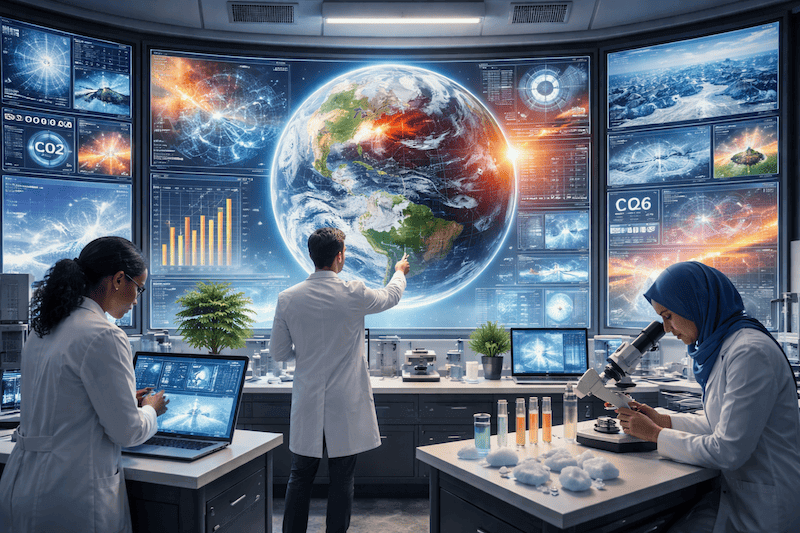
Hey there! Are you curious about what’s happening in the world of climate science these days? Well, you’re in the right place. Let’s dive into some of the key findings and advancements that have been uncovered by recent studies in 2026.
First off, it’s important to understand that climate science is all about studying how our planet’s climate is changing over time. Scientists use data from temperature readings, weather patterns, and other measurements to paint a picture of what’s going on. And let me tell you, the picture isn’t always pretty.
- But before we get into all the nitty-gritty details, let’s take a quick look back at how climate science has evolved over the years. Understanding where we’ve come from can help us better grasp where we’re headed.
In recent years, scientists have been sounding the alarm bells louder than ever. Global temperatures are on the rise, leading to more frequent and severe heatwaves, droughts, and wildfires. Sea levels are creeping up, putting coastal communities at risk of flooding. Extreme weather events, like hurricanes and typhoons, are becoming more intense.
These are just a few examples of the trends that researchers are uncovering in their studies. And let me tell you, the implications are vast and far-reaching.
- Take, for instance, the impact on ecosystems. Climate change is wreaking havoc on biodiversity, leading to species extinction rates like never before.
- And what about human health effects? There’s a direct link between climate change and public health, with infectious diseases spreading more easily and air pollution worsening.
But it’s not all doom and gloom. Thanks to technological advancements, we’re making strides in renewable energy, carbon capture technology, and sustainable farming practices. And policymakers around the world are rolling up their sleeves to tackle the issue, with initiatives like the Paris Agreement and the Green New Deal.
As we look to the future, it’s clear that continued research and action are critical in combating climate change. So buckle up, because we’ve got a lot to cover in this guide. Let’s get started!
Historical context: Evolution of climate science
Climate science has come a long way over the years, with scientists and researchers dedicating their efforts to studying the Earth’s climate and how it has changed over time. Back in the early days, people didn’t know much about climate change and its impacts. It wasn’t until the late 19th century that scientists started to realize the link between human activities and the changing climate.
Fast forward to the mid-20th century, and scientists really began to delve into understanding the complexities of our planet’s climate system. They started using advanced tools and technologies to gather data on temperature, precipitation, and atmospheric conditions. This paved the way for groundbreaking research on greenhouse gas emissions and their role in driving global warming.
By the late 20th century, the conversation around climate change had entered the mainstream, with more people becoming aware of the environmental challenges facing our planet. Advances in computer modeling and satellite technology enabled researchers to make more accurate predictions about future climate trends.
- Early discoveries: Scientists first started recognizing the impact of industrialization on the climate in the 19th century.
- Advanced technologies: The mid-20th century saw the rise of sophisticated instruments for monitoring climate patterns.
- Public awareness: By the end of the 20th century, public concern about climate change had grown significantly.
Today, in 2026, climate science is more advanced than ever before. Researchers are constantly studying the latest data and using innovative techniques to better understand the complexities of our changing climate. With continued efforts and collaboration, we can work towards a sustainable future for our planet.
Climate Change Trends
As we head into 2026, the impact of climate change continues to be felt worldwide, with key trends that are shaping our understanding of the issue. Let’s break down some of the latest data on global temperatures, sea level rise, extreme weather events, and their implications:
- Global Temperatures: Data shows that the Earth’s average temperature is steadily rising, with each decade since the 1970s being warmer than the previous one. This warming trend is primarily due to human activities, such as burning fossil fuels and deforestation, which release greenhouse gases into the atmosphere.
- Sea Level Rise: Sea levels are rising at an accelerating rate, mainly due to the melting of ice caps and glaciers caused by higher temperatures. This poses a particular threat to coastal communities, leading to flooding, erosion, and the displacement of populations.
- Extreme Weather Events: The frequency and intensity of extreme weather events, such as hurricanes, heatwaves, and wildfires, are on the rise due to climate change. These events have devastating consequences, causing loss of life, destruction of property, and disrupting entire ecosystems.
It’s clear that these trends have significant implications for our planet and all its inhabitants. As temperatures continue to rise and seas levels climb, we must take urgent action to mitigate the effects of climate change and build resilience in the face of these challenges.
Impact on Ecosystems
Climate change is not just a problem for us humans — it’s also causing big changes in the natural world. From the tallest trees to the tiniest insects, all creatures great and small are feeling the effects of a warming planet.
- Biodiversity: Imagine a world where polar bears roam free, coral reefs are bursting with color, and birds chirp happily in lush forests. Unfortunately, climate change is disrupting ecosystems around the globe, leading to a loss of biodiversity. As temperatures rise, some species are struggling to survive in their changing habitats, while others are being forced to migrate to cooler regions.
- Ecosystems: Ecosystems are like a big puzzle, with each plant, animal, and microorganism playing a crucial role. But when the temperature rises or the rainfall patterns shift, these delicate ecosystems can start to fall apart. For example, warmer ocean temperatures are bleaching coral reefs, causing them to lose their vibrant colors and become more susceptible to disease.
- Species Extinction Rates: Every creature has a part to play in the web of life, but climate change is pushing some species to the brink of extinction. Polar bears are losing their ice habitats, sea turtles are struggling to find nesting grounds, and bees are having a hard time pollinating crops. Each species lost is like a thread pulled from the fabric of nature, weakening the intricate balance that keeps our planet healthy.
In the grand scheme of things, we humans are just one piece of the puzzle. If we want to protect our beautiful planet and all its inhabitants, we need to take action to reduce our impact on the climate. By working together to curb greenhouse gas emissions, conserve natural habitats, and support sustainable practices, we can help ensure a brighter future for all living things.
Human health effects: Examinin the link between climate change and public health
Climate change is not just an environmental issue — it also has significant impacts on human health. As temperatures rise and weather patterns become more extreme, the risk of certain health problems increases.
- Infectious diseases: One of the most concerning effects of climate change is the spread of infectious diseases. Warmer temperatures can create ideal conditions for pathogens to thrive, leading to outbreaks of illnesses such as malaria, dengue fever, and Lyme disease. These diseases can be debilitating or even fatal, particularly in areas with limited access to healthcare.
- Air pollution: Climate change is also linked to increased air pollution, which can exacerbate respiratory conditions like asthma and lead to cardiovascular problems. Burning fossil fuels releases pollutants into the air, contributing to smog and harmful particulate matter that can have serious health consequences for vulnerable populations.
It is crucial for policymakers, healthcare professionals, and communities to understand the connection between climate change and public health in order to take proactive measures to protect those most at risk. By reducing greenhouse gas emissions, promoting cleaner energy sources, and improving air quality standards, we can help safeguard the health of current and future generations.
Additionally, investing in research and education on climate-related health issues can help raise awareness and empower individuals to make informed choices about their well-being. Climate resilience and preparedness initiatives are also key to ensuring that healthcare systems are equipped to handle the challenges posed by a changing climate.
Ultimately, addressing the health impacts of climate change requires a holistic approach that considers the interconnectedness of our environment, economy, and society. By prioritizing the well-being of all individuals, we can build a more sustainable and resilient future for everyone.
Socioeconomic Impacts of Climate Change
Climate change is not just an environmental issue; it also has significant socioeconomic impacts that affect people’s daily lives and economic well-being. Changes in temperature and weather patterns can disrupt agriculture, leading to food scarcity and higher prices for essential items. This directly impacts individuals and families who may struggle to afford nutritious meals or provide for their loved ones.
Water shortages are another consequence of climate change that can have far-reaching effects. Droughts and changing precipitation patterns can limit access to clean water for drinking, agriculture, and sanitation. Communities around the world are already feeling these effects, with some regions facing regular water crises that impact health, hygiene, and economic productivity.
- Food scarcity: Rising temperatures and extreme weather events can jeopardize crops and livestock, leading to lower yields and food shortages.
- Water shortages: Droughts and changes in rainfall patterns can reduce access to clean water for drinking, irrigation, and industrial use.
- Displacement of communities: Sea level rise, flooding, and severe weather events can force people to leave their homes and seek refuge elsewhere, adding to the strain on resources and infrastructure in host communities.
Furthermore, the displacement of communities due to climate-related disasters can further exacerbate social and economic inequalities. Displaced individuals often face challenges in finding new homes, jobs, and support systems, amplifying their vulnerability to additional hardships.
Addressing the socioeconomic impacts of climate change requires a coordinated effort that involves governments, businesses, communities, and individuals. Investing in renewable energy, sustainable agriculture, and climate-resilient infrastructure can help mitigate some of these challenges and create new opportunities for growth and development.
By recognizing and addressing the economic consequences of climate change, we can work towards building a more resilient and equitable society that can thrive in the face of environmental challenges.
Technological Advancements in Climate Science
Technological advancements play a crucial role in addressing the challenges posed by climate change. In recent years, significant progress has been made in developing innovative solutions that can help reduce greenhouse gas emissions and promote sustainability across various sectors.
- Renewable Energy: One of the most notable advancements in climate science is the widespread adoption of renewable energy sources such as solar, wind, and hydroelectric power. These clean energy alternatives offer a sustainable and efficient way to generate electricity without relying on fossil fuels, thus helping to reduce carbon emissions and combat climate change.
- Carbon Capture Technology: Another key development in climate science is the advancement of carbon capture technology. This innovative process involves capturing carbon dioxide emissions from industrial sources and storing them underground to prevent them from entering the atmosphere. By reducing the amount of greenhouse gases released into the air, carbon capture technology plays a vital role in mitigating climate change.
- Sustainable Farming Practices: In agriculture, sustainable farming practices have emerged as a promising solution to reduce the environmental impact of food production. Techniques such as organic farming, crop rotation, and water conservation help conserve natural resources, reduce pollution, and promote biodiversity. By adopting sustainable farming practices, farmers can contribute to combatting climate change while ensuring food security for future generations.
Overall, these technological advancements are paving the way for a more sustainable and resilient future. By harnessing the power of renewable energy, implementing carbon capture technology, and adopting sustainable farming practices, we can make significant strides in combating climate change and protecting our planet for generations to come.
Policy responses: Reviewing international efforts to mitigate climate change
In recent years, the need for global cooperation to address climate change has become increasingly urgent. Two key initiatives that have gained traction are the Paris Agreement and the Green New Deal.
- The Paris Agreement: Adopted in 2015, the Paris Agreement is a landmark international treaty aimed at limiting global warming to well below 2 degrees Celsius above pre-industrial levels. Countries that are signatories to the agreement commit to reducing their greenhouse gas emissions and enhancing their climate resilience. While progress towards achieving the goals of the Paris Agreement has been uneven, it serves as a critical framework for global action on climate change.
- The Green New Deal: This proposal, originating in the United States but gaining international attention, advocates for a comprehensive approach to combatting climate change while simultaneously promoting economic growth and social equity. The Green New Deal calls for significant investments in renewable energy, energy efficiency, and clean transportation, as well as measures to create green jobs and support vulnerable communities impacted by climate change.
These policy responses represent significant steps towards addressing the existential threat of climate change. However, their success ultimately depends on the commitment and cooperation of governments, businesses, and individuals around the world. It is crucial that countries follow through on their commitments under the Paris Agreement and consider implementing policies aligned with the principles of the Green New Deal.
As we look to the future, it is clear that bold and coordinated action is needed to avoid the worst impacts of climate change. By supporting initiatives like the Paris Agreement and the Green New Deal, we can work towards a more sustainable and resilient future for our planet and generations to come.
Adaptation Strategies for Climate Change
As our climate continues to change, it is essential for communities to come together and adapt to these new realities. Here are some practical strategies that can help us mitigate the impacts of climate change:
- Urban planning: Cities are particularly vulnerable to the effects of climate change, such as heatwaves and flooding. By incorporating green spaces, sustainable buildings, and efficient public transportation options in urban planning, we can help reduce carbon emissions and create more resilient communities.
- Disaster preparedness: With the increase in extreme weather events like hurricanes and wildfires, it is crucial for communities to have solid disaster preparedness plans in place. This includes early warning systems, evacuation routes, and emergency shelters to protect lives and property.
- Infrastructure improvements: Updating and reinforcing infrastructure, such as roads, bridges, and water supply systems, is vital to withstand the impacts of climate change. By investing in resilient infrastructure now, we can prevent costly damages in the future.
Adapting to a changing climate requires collaboration and innovative thinking. By implementing these strategies at the local, regional, and national levels, we can build a more sustainable future for all. Together, we can tackle the challenges of climate change and create a safer, more resilient world for generations to come.
Climate Justice: Addressing Inequality in the Face of Climate Change
When it comes to climate change, not everyone is feeling the heat in the same way. Marginalized communities, such as low-income neighborhoods or indigenous populations, are often hit the hardest by the impacts of a changing climate. This is what we call climate justice – the idea that all people should have equal protection and access to resources when it comes to dealing with the effects of global warming.
One of the key challenges in achieving climate justice is that those who are least responsible for causing climate change are often the ones who suffer the most from its consequences. For example, people living in poverty may lack the resources to quickly adapt to extreme weather events or rising temperatures. This can lead to a wide range of issues, from food insecurity to increased health risks.
- Low-income neighborhoods may be more prone to flooding or heatwaves due to inadequate infrastructure.
- Indigenous communities may face displacement as their traditional lands become uninhabitable.
- People of color may be disproportionately affected by pollution and environmental hazards.
Climate justice advocates argue that it is essential to address these inequalities in order to create a more sustainable and resilient future for all. This means not only providing support and resources to those most vulnerable to the impacts of climate change, but also taking steps to reduce the unequal distribution of environmental harms.
By centering the voices of marginalized communities in climate discussions and decisions, we can work towards creating more equitable solutions to the challenges we face. This might include investing in green infrastructure in underserved areas, prioritizing renewable energy projects that benefit local communities, and ensuring that policies and programs are designed with equity in mind.
Ultimately, achieving climate justice is not just about protecting the planet – it’s also about protecting people. By working together to address the disproportionate impacts of climate change on the most vulnerable among us, we can build a better, more just future for all.
Future Projections: Predicting Potential Scenarios for Climate Change
As we look ahead to the coming decades, scientists are using the latest research and advanced modeling techniques to predict what our world may look like if current climate trends continue. These projections are crucial for policymakers, communities, and individuals to understand the potential impacts of climate change and to take action to mitigate its effects.
- Rising temperatures: One of the most concerning trends is the continued rise in global temperatures. If we do not take significant steps to reduce greenhouse gas emissions, temperatures are projected to increase significantly, leading to more extreme heat waves, wildfires, and droughts.
- Sea level rise: As the Earth’s ice caps continue to melt, sea levels are expected to rise, threatening coastal cities and communities. This could lead to increased flooding, erosion, and displacement of populations living in low-lying areas.
- Extreme weather events: Climate change is also likely to increase the frequency and intensity of extreme weather events such as hurricanes, tornadoes, and floods. These events can have devastating impacts on infrastructure, agriculture, and human lives.
It is crucial that we take these projections seriously and implement strategies to address them. By reducing our carbon footprint, transitioning to renewable energy sources, and investing in sustainable practices, we can work towards creating a more resilient and climate-friendly future.
While the future may seem daunting, there is hope in the power of collective action. By working together, we can make a meaningful impact on the trajectory of climate change and ensure a healthier planet for future generations to come.
It’s up to all of us to play our part in shaping a more sustainable future for our planet. The decisions we make today will have a lasting impact on the world we leave behind for our children and grandchildren. Let’s work together to make a positive difference for the future of our planet.
Conclusion:
As we look towards the future in 2026, it is clear that climate change is a monumental challenge that requires urgent action. From the latest data on global temperatures to the impacts on ecosystems, human health, and socioeconomic systems, the evidence is overwhelming that we must address this pressing issue.
Technological advancements offer hope for a sustainable future, with innovative solutions such as renewable energy and carbon capture technology becoming more accessible. Policy responses at the international level, like the Paris Agreement and the Green New Deal, demonstrate a collective commitment to combating climate change.
- But perhaps most importantly, we must prioritize adaptation strategies to build resilience in the face of a rapidly changing climate. This includes investing in urban planning, disaster preparedness, and infrastructure improvements to protect vulnerable communities.
- Climate justice must also be a focal point in our efforts, as marginalized communities are disproportionately affected by the consequences of climate change. It is crucial to advocate for equitable solutions that address the needs of all individuals.
- Looking ahead, future projections paint a stark picture of what may come if we do not take immediate and decisive action. The time to act is now, and the responsibility falls on all of us to make sustainable choices in our daily lives and support initiatives that combat climate change.
In conclusion, the findings and implications of climate science in 2026 highlight the critical need for continued research, innovation, and collaboration in the fight against climate change. Every individual has a role to play in creating a sustainable future for generations to come. Let’s work together to create a more resilient and environmentally conscious world.

 Subscribe to the newsletter





Сообщить об опечатке
Текст, который будет отправлен нашим редакторам: