

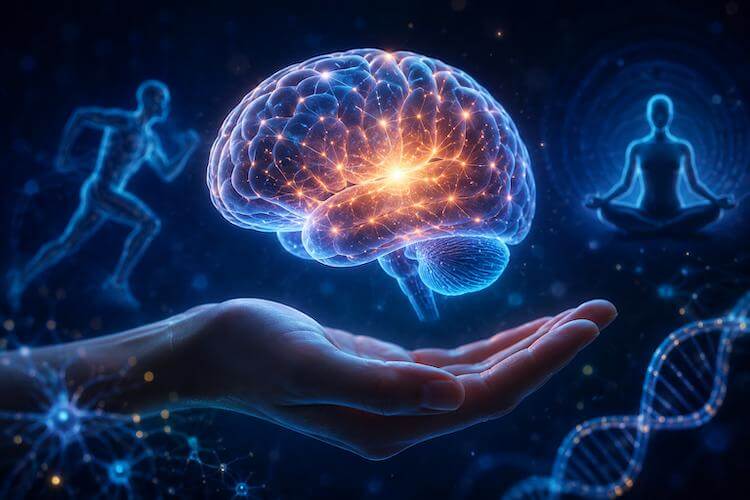
Neuroscience is the scientific study of the nervous system, including the brain, spinal cord, and all the nerve cells throughout the body. It helps us understand how these complex systems work together to control everything we do — from breathing and moving to thinking and feeling.
But what does all this have to do with our health? Well, turns out, a lot! Neuroscience breakthroughs have opened up new insights into how our brains and bodies are connected, and how this connection can affect our overall well-being. By understanding how the nervous system functions, researchers and doctors can develop innovative treatments for neurological disorders, mental health conditions, and even physical ailments.
- The Latest Breakthroughs in Neuroscience Research: Scientists are constantly discovering new things about the brain and its impact on our health. From finding ways to improve memory and learning to uncovering potential treatments for devastating conditions like Alzheimer’s and Parkinson’s disease, cutting-edge research is shaping the future of healthcare.
- Understanding the Brain-Body Connection: Did you know that your brain can influence your immune system and vice versa? The way we think and feel can directly impact our physical health, showing just how interconnected the brain and body truly are.
- Neuroplasticity and Its Implications for Health: The concept of neuroplasticity — the brain’s ability to change and reorganize itself — offers hope for those recovering from injuries or managing chronic conditions. This phenomenon highlights the brain’s adaptability and resilience.
So, as we delve deeper into the world of neuroscience and its impact on health, we begin to see the incredible potential for improving and enhancing the quality of our lives. By unlocking the mysteries of the brain, we can pave the way for a healthier, happier future for all.
The Latest Breakthroughs in Neuroscience Research
Neuroscience research is constantly evolving, with new discoveries and breakthroughs shedding light on the complex workings of the brain and its impact on health. Scientists and researchers around the world are diligently working to uncover the mysteries of the brain, leading to exciting advancements in the field of neuroscience.
- One recent breakthrough involves the discovery of neural stem cells in the adult brain. These stem cells have the potential to regenerate and repair damaged nerve cells, offering hope for the treatment of neurological disorders such as Parkinson’s disease and Alzheimer’s.
- Another groundbreaking development is the use of optogenetics, a technique that allows scientists to control specific neurons in the brain using light. This technology has the potential to revolutionize the treatment of neurological and psychiatric disorders by targeting specific brain circuits.
- Advancements in neuroimaging techniques have also allowed researchers to visualize the brain in unprecedented detail, providing valuable insights into the mechanisms underlying various neurological conditions. From fMRI to EEG, these imaging tools are helping doctors diagnose and treat brain-related disorders more effectively.
- Research into the microbiome-gut-brain axis has revealed the complex relationship between the bacteria in our gut and our brain health. Studies have shown that gut health plays a significant role in brain function, suggesting new avenues for treating mental health disorders through the manipulation of the microbiome.
These breakthroughs in neuroscience research are shaping the future of healthcare, offering promising solutions for the treatment of neurological disorders and mental health conditions. By unlocking the mysteries of the brain, scientists are paving the way for new therapies and interventions that have the potential to improve the lives of millions around the world.
Understanding the Brain-Body Connection
Have you ever considered how your thoughts and emotions can affect your physical health? Research in neuroscience has shown that there is a strong connection between the brain and the body, and understanding this relationship can lead to better overall health and wellness.
Our brain communicates with the rest of our body through a complex network of neurons, hormones, and neurotransmitters. This connection plays a crucial role in regulating everything from our immune system to our digestive processes. When we experience stress, for example, our brain releases specific chemicals that can impact our heart rate, blood pressure, and even our ability to fight off infections.
- The brain can influence the body’s response to pain and pleasure, affecting how we experience physical sensations.
- Mental health conditions, like depression and anxiety, can have a profound impact on physical health outcomes. This is why it’s essential to address mental health issues as part of a comprehensive healthcare plan.
- Practicing relaxation techniques, such as meditation or deep breathing exercises, can help reduce stress levels and improve overall well-being by positively affecting the brain-body connection.
By recognizing and understanding the brain-body connection, we can take steps to optimize our health and well-being. This might include engaging in regular exercise to boost both physical and mental health, adopting healthy sleep habits to support brain function, and seeking support from mental health professionals when needed.
Overall, acknowledging the connection between our brain and body can empower us to make informed choices that promote holistic wellness. Remember, taking care of your mind is just as vital as taking care of your body!
Neuroplasticity and Its Implications for Health
Have you ever heard the saying «old dogs can’t learn new tricks»? Well, thanks to neuroscience research on neuroplasticity, we now know that this statement couldn’t be further from the truth. Neuroplasticity refers to the brain’s remarkable ability to adapt and change throughout our lives, even into old age.
Just a few decades ago, scientists believed that the adult brain was pretty much set in its ways and couldn’t generate new neurons or connections. However, groundbreaking studies have shown that our brains are actually quite dynamic and capable of rewiring themselves in response to learning, experience, and even injury.
One of the most exciting implications of neuroplasticity is its impact on health. For example, individuals recovering from a stroke or traumatic brain injury can benefit from targeted rehabilitation programs that harness the brain’s ability to reorganize itself and form new neural connections.
Furthermore, research has also shown that practicing activities such as meditation, mindfulness, or learning a musical instrument can actually change the structure and function of our brains. This means that by engaging in activities that stimulate our brains, we can potentially improve cognitive function, emotional well-being, and overall mental health.
- So what does this all mean for you and your health? Here are some key takeaways:
- 1. Your brain is not a static organ — it has the capacity to change and adapt throughout your life.
- 2. Engaging in activities that challenge your brain can have positive effects on your cognitive function and emotional well-being.
- 3. Rehabilitation programs that utilize the principles of neuroplasticity can help individuals recover from neurological injuries or conditions.
- 4. Adopting a growth mindset and staying curious and open to new experiences can help you maintain a healthy and active brain.
The Role of Neurotransmitters in Mental Health
Neurotransmitters are like little messengers in our brain, sending signals from one nerve cell to another. These chemical substances play a crucial role in regulating our emotions, thoughts, and behaviors, making them essential for overall mental health.
Serotonin, for example, is known as the «feel-good» neurotransmitter. It helps regulate mood, appetite, and sleep, and low levels of serotonin have been linked to conditions like depression and anxiety. Dopamine, on the other hand, is involved in motivation, pleasure, and reward processing. Too much or too little dopamine can be associated with conditions such as schizophrenia or addiction.
- Norepinephrine helps our body respond to stress, boosting alertness and focus when needed, while also playing a role in mood regulation.
- GABA (gamma-aminobutyric acid) is an inhibitory neurotransmitter that helps calm our brain activity and promote relaxation, serving as a natural stress-reliever.
- Glutamate is the most abundant excitatory neurotransmitter in the brain, responsible for memory, learning, and overall cognitive functions.
Imbalances or dysfunctions in these neurotransmitter systems can lead to mental health disorders, highlighting the importance of maintaining a healthy balance among these chemical messengers. Medications such as SSRIs (Selective Serotonin Reuptake Inhibitors) or MAOIs (Monoamine Oxidase Inhibitors) are used to help improve neurotransmitter levels in certain disorders.
However, it’s important to remember that mental health is a complex interplay of various factors, including genetics, environment, and lifestyle. Healthy habits like regular exercise, proper nutrition, adequate sleep, and mindfulness practices can also positively influence neurotransmitter function and overall mental well-being.
By understanding the role of neurotransmitters in mental health, we can appreciate the intricate workings of our brain and the impact it has on our emotions and behaviors. The more we learn about these chemical messengers, the better equipped we become in promoting mental wellness and addressing mental health challenges effectively.
How Neuroimaging Techniques are Advancing Medical Diagnosis
Imagine being able to see inside the brain to diagnose health conditions without invasive procedures. Thanks to cutting-edge neuroimaging techniques, this is now a reality. Neuroimaging involves using advanced technology to create detailed images of the brain’s structure and function, providing crucial information for healthcare professionals.
One of the most common neuroimaging techniques is magnetic resonance imaging (MRI), which uses powerful magnets and radio waves to create detailed images of the brain. This non-invasive procedure can help identify tumors, strokes, or other abnormalities in the brain that may be causing health issues.
- Another important neuroimaging technique is computed tomography (CT) scans, which use X-rays to create cross-sectional images of the brain. These scans are useful in identifying brain injuries, bleeding in the brain, or other emergencies that require immediate medical attention.
- Positron emission tomography (PET) scans are another valuable tool in diagnosing brain conditions. These scans use a small amount of radioactive material to help measure brain activity and identify areas of the brain that may be affected by conditions such as Alzheimer’s disease or epilepsy.
- Functional MRI (fMRI) is a technique that measures brain activity by detecting changes in blood flow. This is particularly useful in diagnosing conditions like schizophrenia or depression, where abnormal brain activity may be a factor.
Neuroimaging techniques have revolutionized the way healthcare professionals diagnose and treat neurological conditions. By providing detailed images of the brain, these technologies allow for better targeted treatments and improved patient outcomes. Additionally, neuroimaging can help monitor the progression of diseases over time and assess the effectiveness of treatments.
As technology continues to advance, neuroimaging techniques are becoming more precise and accessible, leading to even more breakthroughs in medical diagnosis and treatment. These innovations are providing hope for individuals with neurological conditions, offering new opportunities for early detection and personalized care based on their unique brain images.
The Connection Between Stress and Brain Health
Stress is something that we all experience in our daily lives, but did you know that it can have a significant impact on your brain health? When we are stressed, our bodies release the hormone cortisol, which can affect the neurons in our brain. High levels of cortisol over a prolonged period of time can lead to damage to the brain cells and even reduce the size of the hippocampus, which is the area of the brain related to memory and learning.
Chronic stress can also increase the risk of developing mental health disorders such as anxiety and depression. This is because excessive stress can disrupt the balance of neurotransmitters in the brain, leading to symptoms of mood disorders.
Furthermore, chronic stress can weaken the immune system, making us more susceptible to illnesses and diseases. It can also worsen existing conditions such as headaches, digestive issues, and heart disease.
- Ways to manage stress and promote brain health include:
- Incorporating relaxation techniques such as deep breathing, meditation, and yoga into your daily routine
- Engaging in regular physical activity to boost endorphins, the “feel-good” chemicals in the brain
- Prioritizing self-care practices such as getting enough sleep, eating a balanced diet, and seeking support from loved ones or a mental health professional
By taking steps to manage stress effectively, you can protect your brain health and improve your overall well-being. Remember, it’s important to listen to your body and mind and address any warning signs of excessive stress before they escalate into more serious health concerns.
Understanding the link between stress and brain health is crucial for maintaining a healthy mind-body connection. By reducing stress levels and promoting relaxation, you can support your brain function and mitigate the risk of developing mental health conditions. Prioritize self-care and stress management strategies in your daily life to ensure optimal brain health and overall wellness.
Neurological Disorders: Causes, Symptoms, and Treatments
Neurological disorders can have a significant impact on an individual’s quality of life, affecting their mobility, cognitive abilities, and emotional well-being. These disorders can arise from various factors such as genetics, infections, trauma, or environmental toxins.
Common neurological disorders include epilepsy, Alzheimer’s disease, Parkinson’s disease, multiple sclerosis, and migraines. Each disorder is characterized by specific symptoms that can vary in severity and frequency.
- Causes: Neurological disorders can have multifactorial causes, including genetic predisposition, brain injuries, infections, or autoimmune responses. Understanding the underlying causes is essential for developing effective treatment strategies.
- Symptoms: Symptoms of neurological disorders can range from mild to severe and may include headaches, seizures, memory loss, balance issues, weakness, numbness, or changes in behavior. It is crucial to seek medical evaluation if you experience persistent or worsening symptoms.
- Treatments: The treatment of neurological disorders depends on the specific condition and its underlying causes. Treatment options may include medications, physical therapy, surgical interventions, or lifestyle modifications. It is essential to work closely with healthcare providers to develop a personalized treatment plan.
Research in neuroscience has led to significant advancements in the understanding and treatment of neurological disorders. Novel therapies, such as deep brain stimulation for Parkinson’s disease or gene therapy for genetic disorders, offer new hope for patients with these conditions. Early detection and intervention can also improve outcomes and slow the progression of certain neurological disorders.
While managing a neurological disorder can be challenging, it is essential to maintain a positive outlook and actively participate in your treatment plan. Support from healthcare providers, caregivers, and support groups can help individuals cope with the physical and emotional challenges associated with neurological disorders.
By staying informed about the latest research and treatment options, individuals with neurological disorders can empower themselves to take control of their health and improve their overall well-being.
The Influence of Genetics on Neurological Health
Our genetics play a crucial role in determining our neurological health. The genes we inherit from our parents can impact our risk of developing certain neurological disorders such as Alzheimer’s, Parkinson’s, and epilepsy.
- For example, scientists have identified specific gene mutations that increase the likelihood of developing Alzheimer’s disease at an earlier age. Understanding these genetic factors can help researchers develop targeted therapies to treat this devastating condition.
- In the case of Parkinson’s disease, researchers have found that mutations in the PARKIN gene can disrupt the body’s ability to clear out damaged proteins, leading to the development of the disease. This knowledge is driving research into new treatments that target this genetic pathway.
It’s important to note that genetics is just one piece of the puzzle when it comes to neurological health. Environmental factors, lifestyle choices, and overall health also play significant roles in determining our risk of developing neurological disorders.
By studying the relationship between genetics and neurological health, researchers hope to develop personalized treatments that target the specific genetic factors contributing to each individual’s condition. This personalized approach has the potential to revolutionize the way we diagnose and treat neurological disorders in the future.
As our understanding of genetics and its influence on neurological health continues to grow, we are hopeful that new breakthroughs will lead to better outcomes for patients with neurological conditions. By harnessing the power of genetic research, we can unlock the potential for more effective treatments and ultimately improve the lives of those affected by neurological disorders.
Neurotechnology: Innovations and Future Applications in Healthcare
Neurotechnology is a field that is rapidly advancing and has the potential to revolutionize healthcare as we know it. By combining neuroscience with technology, scientists are creating innovative solutions to improve diagnosis, treatment, and overall patient care.
One exciting development is the use of neurostimulation techniques to treat conditions such as Parkinson’s disease, chronic pain, and depression. By targeting specific areas of the brain with electrical or magnetic stimulation, researchers are finding new ways to alleviate symptoms and improve quality of life for patients.
Another area of growth in neurotechnology is the development of brain-computer interfaces (BCIs). These devices allow individuals to control computers, prosthetics, or other devices using only their thoughts. BCIs hold great promise for individuals with paralysis or neurological disorders, as they can provide greater independence and improve daily living activities.
- Neurostimulation techniques are being used to treat conditions like Parkinson’s disease and depression.
- Brain-computer interfaces allow individuals to control devices using their thoughts.
Furthermore, advancements in neuroimaging technology, such as functional MRI and PET scans, are providing researchers with a deeper understanding of how the brain works. This insight is crucial for diagnosing and treating various neurological disorders, including Alzheimer’s disease, multiple sclerosis, and traumatic brain injuries.
The future of neurotechnology holds even more potential, with researchers exploring novel therapies like optogenetics to manipulate brain activity with light and developing artificial intelligence algorithms to analyze complex brain data. These cutting-edge approaches have the power to revolutionize the way we understand and treat neurological conditions in the years to come.
Cognitive Enhancement through Neuroscience Discoveries
Neuroscience research has not only advanced our understanding of the human brain but has also provided insights into how we can enhance cognitive function. Through innovative discoveries, scientists have unveiled various strategies and techniques that can improve memory, learning, decision-making, and overall brain performance.
- One of the key areas of study in this field is neuroplasticity, the brain’s ability to reorganize and change as a result of experience. Researchers have found that engaging in new, challenging activities can stimulate neuroplasticity and promote cognitive growth.
- Another important aspect is the role of neurotransmitters, which are chemicals that transmit signals in the brain. By understanding how different neurotransmitters affect cognitive functions, scientists have developed medications and therapies that can boost brain health.
- Advancements in neuroimaging techniques have also provided valuable insights into the brain’s functioning. These imaging tools allow researchers to map brain activity in real-time, which can help diagnose cognitive disorders and guide treatment options.
Furthermore, recent breakthroughs in neurotechnology have opened up new possibilities for enhancing cognitive abilities. Devices such as brain-computer interfaces and neurostimulation technologies can be used to improve memory, focus, and attention in both healthy individuals and those with cognitive impairments.
Research in genetics has also shed light on how our genes influence cognitive functions and susceptibility to neurological disorders. By studying the genetic factors that underlie cognitive performance, scientists are identifying potential targets for interventions that could enhance brain health.
As we continue to unravel the mysteries of the human brain, the future holds great promise for cognitive enhancement through neuroscience discoveries. With ongoing research and collaboration across disciplines, we can unlock new strategies and technologies to optimize brain function and improve overall cognitive well-being.
The Future of Healthcare with Neuroscience Innovation
As we look ahead to the future of healthcare, one thing is clear: neuroscience innovation is set to revolutionize the way we approach health and wellness. With groundbreaking research and discoveries in the field of neuroscience, we are gaining a deeper understanding of how the brain impacts our overall well-being.
Neuroscience breakthroughs have the potential to transform the treatment of various health conditions, from mental disorders to neurodegenerative diseases. By uncovering the intricacies of the brain-body connection, researchers are developing targeted therapies that can address underlying neurological issues more effectively.
One of the most exciting advancements in neuroscience is neuroplasticity, the brain’s ability to reorganize itself and form new neural connections throughout life. This discovery opens up a world of possibilities for rehabilitation after brain injuries and for enhancing cognitive function through targeted training programs.
- Neurotransmitters play a crucial role in mental health, and new treatments are being developed to regulate their levels and improve mood and cognitive function.
- Advancements in neuroimaging techniques are providing valuable insights into the inner workings of the brain, leading to more accurate diagnoses and personalized treatment plans.
- Researchers are unraveling the complex relationship between stress and brain health, shedding light on the mechanisms that contribute to the development of mental health disorders.
Looking ahead, the integration of genetics into neurological research holds promise for personalized medicine approaches that take into account an individual’s unique genetic makeup. By understanding how genetics influence neurological health, we can better tailor treatment strategies to each patient’s specific needs.
Neurotechnology is also paving the way for innovative healthcare solutions, with advancements in brain-computer interfaces and neurofeedback therapy offering new avenues for rehabilitation and cognitive enhancement.
Overall, the future of healthcare with neuroscience innovation is bright. By harnessing the power of the brain and its impact on overall health, we can expect to see more targeted treatments, improved diagnostics, and enhanced quality of life for patients facing neurological challenges.

 Subscribe to the newsletter







Сообщить об опечатке
Текст, который будет отправлен нашим редакторам: